
Politics
Businesses Struggle as Trump’s Tariff Policies Complicate Trade

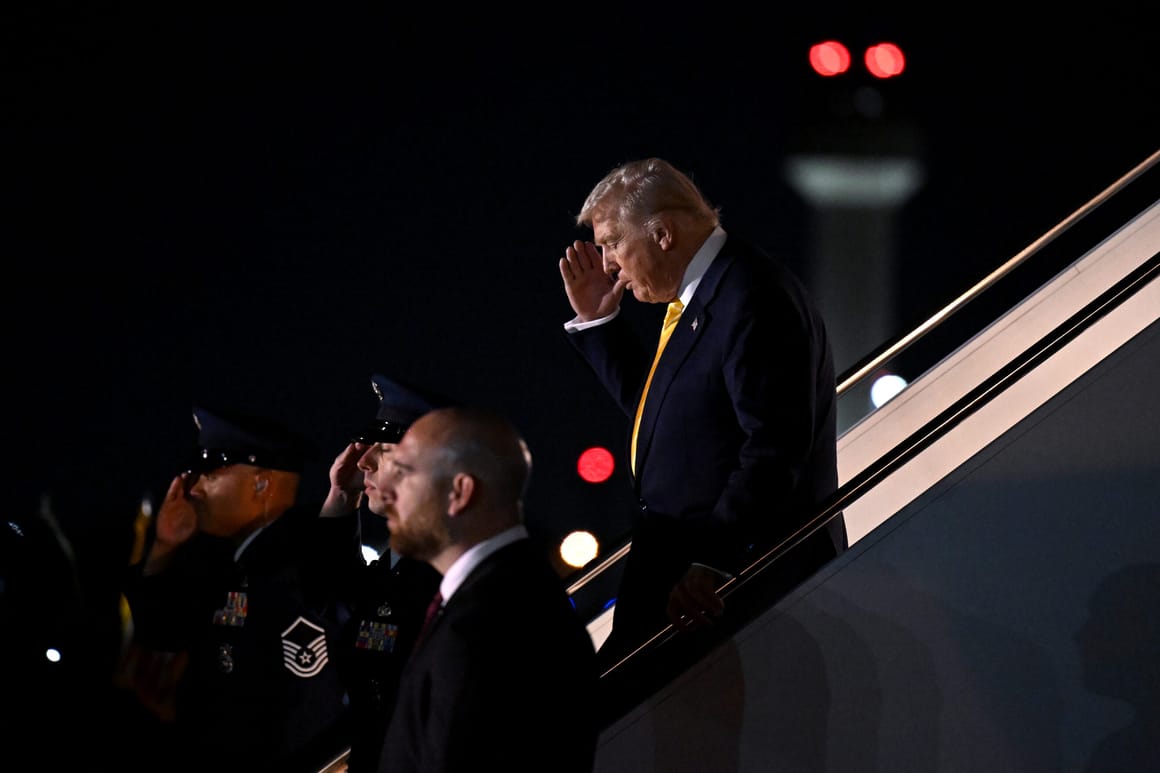
Businesses across the United States are facing significant challenges as they navigate President Donald Trump‘s complex tariff regime. This new system, which has replaced a decades-old tariff structure, has increased costs for many companies, undermining the benefits of the corporate tax cuts enacted earlier this year. The intricacies of the tariffs have drawn attention from industry leaders who report that compliance demands are consuming valuable time and resources.
Trump’s administration has introduced a multifaceted tariff framework where rates vary significantly based on the origin of imported goods. For instance, an industrial product that previously incurred a flat 5 percent tariff may now face rates as high as 50 percent for imports from countries like India, Brazil, or China. Such a dramatic shift has prompted industry executives to redirect their focus from innovation to compliance, according to Gary Shapiro, CEO of the Consumer Technology Association, which represents over 1,300 companies.
The pressures on businesses are compounded by the U.S. Department of Justice‘s recent commitment to prioritize the prosecution of customs fraud. This escalation in enforcement has forced many companies to hire additional staff and invest tens of millions of dollars to meet the evolving requirements. Monthly tariff payments have surged into the tens of billions of dollars, creating a significant burden on industries that traditionally rely on imported goods.
Recent surveys underscore the magnitude of the issue. A report by KPMG revealed that 89 percent of CEOs expect tariffs to profoundly affect their business operations within the next three years. Almost 86 percent of those surveyed indicated they plan to respond by raising prices for consumers. This sentiment is echoed by Maytee Pereira, managing director of customs and international trade at PriceWaterhouseCoopers, who noted that many clients now dedicate 30 to 60 percent of their time discussing tariff strategies.
The strain extends beyond compliance tasks, impacting capital investment and research and development. One anonymous industry official highlighted that companies are hesitant to invest in new factories or R&D due to the uncertainty surrounding tariff policies. The inability to predict future costs undermines long-term planning, leaving businesses in a precarious position.
While the White House has defended the tariff strategy as a means to bolster domestic manufacturing, the negative repercussions are evident. Treasury Secretary Scott Bessent stated in a recent interview that significant investments would materialize over time, but many companies feel the immediate effects are detrimental. A second anonymous industry official expressed frustration over the complexity and constant changes within the tariff system.
The Milken Institute, a nonpartisan think tank, has begun examining these challenges in detail. Their report, titled “Unintended Consequences: Trade and Supply Chain Leaders Respond to Recent Turmoil,” notes that businesses are struggling to make decisions amid ongoing uncertainties. The report indicates that the costs associated with compliance could rival those experienced during the early days of the COVID-19 pandemic.
Trump’s tariffs, particularly the reciprocal tariffs applied to a wide range of countries under an emergency powers act, remain contentious. Initial duties start at 10 percent and escalate to as high as 41 percent for certain nations, including members of the European Union. These tariffs stack on top of existing “most-favored nation” tariffs, complicating the landscape for many businesses.
In particular, the impact of tariffs on steel and aluminum has been extensive, affecting a broad array of products. Companies must now meticulously document the materials used in their products to secure lower tariff rates. Failure to comply can result in hefty penalties, further complicating the operational landscape for many.
Small businesses, in particular, are feeling the weight of these regulations. Cassie Abel, CEO of Wild Rye, described her company’s experience as overwhelmingly burdensome. “We are no longer investing into product innovation,” she stated during a recent press conference. Instead, resources are funneled into navigating the complex tariff environment, hampering growth.
The challenges have prompted small business owners to take legal action, with some participating in a Supreme Court case contesting Trump’s use of the emergency act for tariff imposition. Crutchfield Corp., a Virginia-based electronics retailer, filed a brief detailing the difficulties faced under the current tariff regime, emphasizing the unpredictability it introduces into business planning.
As the landscape continues to evolve, the complexities of the tariff system remain a pressing concern for businesses across various sectors. With ongoing discussions about potential expansions of tariff regulations into new areas, companies are left grappling with uncertainty, complicating their ability to plan for the future. The pressing need for clarity and stability in trade policies is paramount for firms aiming to thrive in an increasingly challenging environment.

New Study Unveils Health Risks Linked to Tattoos and Immunity

Veteran Broadcaster David Dimbleby Continues Royal Investigations

UK Faces Crisis in Nuclear Submarine Capability, Expert Warns

Rachel Reeves Commits £1.2 Billion for Pension Reform Support

Scottish Hospitals Urge Mask Use as Flu Cases Surge Among Kids

Bethlehem Celebrates Christmas Tree Lighting After Two-Year Hiatus

Highland Youth Parliament Launches at Historic Carbisdale Castle

Study Reveals Swearing Patterns on Social Media Across Cultures

Nottingham Forest to File PGMOL Complaint After Tarkowski Incident

Neurologist Warns Excessive Use of Supplements Can Harm Brain

Fiona Phillips’ Husband Shares Heartfelt Update on Her Alzheimer’s Journey

Brian Cox Addresses Claims of Alien Probe in 3I/ATLAS Discovery

NASA Investigates Unusual Comet 3I/ATLAS; New Findings Emerge

Scientists Examine 3I/ATLAS: Alien Artifact or Cosmic Oddity?

Kerry Katona Discusses Future Baby Plans and Brian McFadden’s Wedding

NASA Investigates Speedy Object 3I/ATLAS, Sparking Speculation

Emmerdale Faces Tension as Dylan and April’s Lives Hang in the Balance

Cole Palmer’s Cryptic Message to Kobbie Mainoo Following Loan Talks
-
 Health3 months ago
Neurologist Warns Excessive Use of Supplements Can Harm Brain
-
 Health3 months ago
Fiona Phillips’ Husband Shares Heartfelt Update on Her Alzheimer’s Journey
-
 Science2 months ago
Brian Cox Addresses Claims of Alien Probe in 3I/ATLAS Discovery
-
 Science2 months ago
NASA Investigates Unusual Comet 3I/ATLAS; New Findings Emerge
-
 Science1 month ago
Scientists Examine 3I/ATLAS: Alien Artifact or Cosmic Oddity?
-
 Entertainment5 months ago
Kerry Katona Discusses Future Baby Plans and Brian McFadden’s Wedding
-
 Science1 month ago
NASA Investigates Speedy Object 3I/ATLAS, Sparking Speculation
-
 Entertainment4 months ago
Emmerdale Faces Tension as Dylan and April’s Lives Hang in the Balance
-
 World3 months ago
Cole Palmer’s Cryptic Message to Kobbie Mainoo Following Loan Talks
-
 Science1 month ago
NASA Scientists Explore Origins of 3I/ATLAS, a Fast-Moving Visitor
-

 Entertainment2 months ago
Lewis Cope Addresses Accusations of Dance Training Advantage
-

 Entertainment4 months ago
Major Cast Changes at Coronation Street: Exits and Returns in 2025