
Lifestyle
RAC Warns Drivers Against Dangerous Defrosting Method This Winter

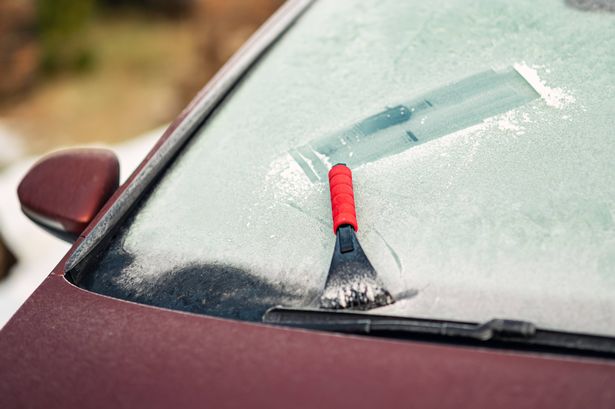
As temperatures across the United Kingdom drop this December, the RAC (Royal Automobile Club) is warning drivers to avoid a specific method for defrosting windscreens that could cause significant damage to vehicles. The alert comes after viral trends on social media suggested using boiling water to quickly remove frost from car windows, a practice that experts strongly advise against.
Drivers often encounter icy conditions during the winter months, leading to a common challenge: defrosting windscreens in a timely manner. While many people seek quick solutions, the RAC emphasizes that pouring boiling water on a frozen windscreen can lead to thermal shock, resulting in cracked glass and costly repairs.
According to the RAC, “Setting off to work in the morning can be an arduous task in winter. You often have to wait an age for the windscreen to defrost and clear.” The organization recommends planning ahead by using a windscreen cover overnight, allowing ample time—approximately 10 minutes—to thoroughly clear the glass using a scraper and de-icer if necessary.
The RAC further warns against the practice of pouring hot water over icy windows. “The thermal shock (going from sub-zero temperatures to nearly 100 degrees Celsius in a matter of seconds) can crack your windows, leading to an expensive bill,” they stated.
Practical Tips for Frost Prevention
To avoid frost formation on windscreens, the RAC suggests several proactive measures. One effective technique involves placing an old towel over the windscreen the night before to minimize frost buildup.
In a cautionary video, Extreme Clean Services advised, “Don’t throw hot water over an icy windscreen. It may crack. Instead, throw an old towel over it the night before to save precious time de-icing in the morning.” This method can help protect the windscreen and reduce the amount of scraping needed in the morning.
Additionally, keeping a bottle of de-icer in the vehicle is crucial. Drivers should also ensure that all windows, mirrors, and lights are free of ice to maintain visibility. When starting the vehicle, using the heater with cold air initially can help prevent the inside from fogging up, allowing for a gradual increase in temperature as the air dries.
The AA (Automobile Association) also provides useful advice for preventing ice formation. Their website suggests parking in a garage, if available, to shield the car from freezing temperatures. For those without garage access, parking close to the house can help, as the warmth from the home may prevent ice from forming.
A piece of cardboard can serve as an effective windscreen shield, provided it is thick and dry. It is essential to secure it firmly with the wipers to prevent it from becoming soggy and freezing to the glass.
While commercial windscreen covers are often the most efficient option, other materials like thick cardboard can work as alternatives. However, flimsy materials such as newspaper should be avoided, as they tend to absorb moisture and could freeze to the windscreen.
By following these recommendations, drivers can take proactive steps to ensure their vehicles are winter-ready and avoid the risks associated with improper defrosting methods. As winter progresses, the RAC and other motoring organizations will continue to provide guidance to keep drivers safe on the roads.

New Drug Library Enhances Understanding of Patient Medications

RAC Warns Drivers Against Dangerous Defrosting Method This Winter

Lithuania Declares Emergency Due to Belarusian Balloon Incursions

Spacecraft 3I/ATLAS Discovers Abundant Life-Creating Chemical

Dan Petrescu’s Health Decline Sparks Concern Among Fans

Oceane Dodin, Tennis Pro, Launches Adult Website After Surgery

Teen’s Cold Leads to Life-Threatening Brain Infection

Early Prisoner Releases in Scotland Raise Concerns for Victims

Research Reveals Cartel Violence Heightens Migrant Risks at U.S.-Mexico Border

Neurologist Warns Excessive Use of Supplements Can Harm Brain

Fiona Phillips’ Husband Shares Heartfelt Update on Her Alzheimer’s Journey

Brian Cox Addresses Claims of Alien Probe in 3I/ATLAS Discovery

NASA Investigates Unusual Comet 3I/ATLAS; New Findings Emerge

Scientists Examine 3I/ATLAS: Alien Artifact or Cosmic Oddity?

Lewis Cope Addresses Accusations of Dance Training Advantage

Kerry Katona Discusses Future Baby Plans and Brian McFadden’s Wedding

NASA Investigates Speedy Object 3I/ATLAS, Sparking Speculation

Emmerdale Faces Tension as Dylan and April’s Lives Hang in the Balance
-
 Health3 months ago
Neurologist Warns Excessive Use of Supplements Can Harm Brain
-
 Health3 months ago
Fiona Phillips’ Husband Shares Heartfelt Update on Her Alzheimer’s Journey
-
 Science2 months ago
Brian Cox Addresses Claims of Alien Probe in 3I/ATLAS Discovery
-
 Science2 months ago
NASA Investigates Unusual Comet 3I/ATLAS; New Findings Emerge
-
 Science2 months ago
Scientists Examine 3I/ATLAS: Alien Artifact or Cosmic Oddity?
-
 Entertainment2 months ago
Lewis Cope Addresses Accusations of Dance Training Advantage
-
 Entertainment5 months ago
Kerry Katona Discusses Future Baby Plans and Brian McFadden’s Wedding
-
 Science1 month ago
NASA Investigates Speedy Object 3I/ATLAS, Sparking Speculation
-
 Entertainment4 months ago
Emmerdale Faces Tension as Dylan and April’s Lives Hang in the Balance
-

 World3 months ago
Cole Palmer’s Cryptic Message to Kobbie Mainoo Following Loan Talks
-

 Science1 month ago
NASA Scientists Explore Origins of 3I/ATLAS, a Fast-Moving Visitor
-

 Entertainment4 months ago
Major Cast Changes at Coronation Street: Exits and Returns in 2025