
Politics
Richard Gere’s Bold 1993 Speech Sparks 20-Year Oscar Ban

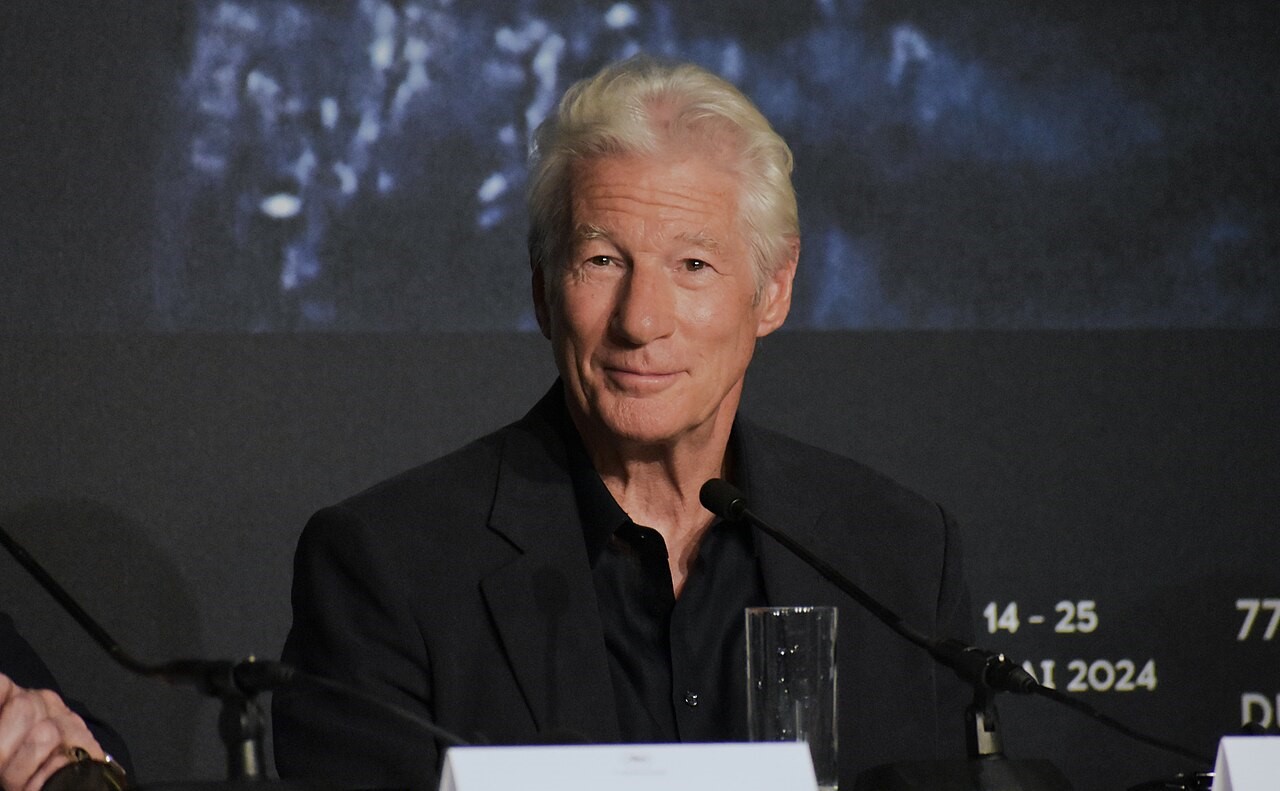
In a remarkable turn of events during the 65th Academy Awards in 1993, actor Richard Gere delivered a speech that transcended the usual glitz of Hollywood. While presenting the award for Best Art Direction, Gere addressed the human rights abuses occurring in Tibet under Chinese governance. This unexpected moment marked the beginning of a significant 20-year absence from the Oscars for the acclaimed star, known for his roles in Pretty Woman and Chicago.
Gere initiated his speech by acknowledging the vast audience observing the ceremony. He directly addressed the then-leader of China, Deng Xiaoping, reflecting on the occupation of Tibet. Gere stated, “I wonder if Deng Xiaoping is actually watching this right now, with his children and his grandchildren, and with the knowledge that what a horrendous, horrendous human rights situation there is in China.” He urged Xiaoping to withdraw troops from Tibet and advocated for the region’s freedom and independence.
Although the audience applauded his remarks, Academy organizers perceived this as a breach of protocol. Bob Rehme, the president of the Oscars at the time, emphasized that the Academy Awards focus on films and entertainment rather than political statements, as reported by the Los Angeles Times. While the ban was never officially documented, Gere subsequently remained absent from the Oscars for two decades.
Reflecting on the ban in a recent interview with Variety, Gere expressed that he did not take it personally. He mentioned, “I do what I do and I certainly don’t mean anyone any harm. I mean to harm anger. I mean to harm exclusion. I mean to harm human rights abuses.” For Gere, the speech was a matter of conscience, aligning with his long-standing commitment to human rights, influenced by his friendship with the Dalai Lama.
Gere’s absence from the Oscars concluded in 2013 when he returned to present an award alongside the reunited cast of Chicago. The film had garnered multiple Academy Awards, and this appearance symbolized his reinstatement after two decades. In a light-hearted moment with HuffPost, he remarked, “It seems if you stay around long enough, they forget they’ve banned you,” downplaying the impact of the ban.
Throughout his career, Gere has become one of Hollywood’s most recognizable leading men, first gaining attention in the 1970s with American Gigolo. His star power escalated in the late 1980s and 1990s with iconic films like An Officer and a Gentleman and Days of Heaven, showcasing his versatility across genres. Despite his success in Oscar-winning films, he has yet to receive a nomination from the Academy.
Gere has consistently used his platform to advocate for global issues, particularly Tibetan freedom and human rights. This year, he served as the executive producer for the documentary Wisdom of Happiness, which delves into the Dalai Lama’s teachings on compassion, redemption, and moral courage. Even at 76, Gere remains committed to projects that resonate with his values, balancing mainstream appeal with principled storytelling.
His 20-year absence from the Oscars did not impede his career; instead, it appears to have reinforced his dedication to the causes he champions. Richard Gere’s journey serves as a powerful reminder of the intersection between art and activism, illustrating how one voice can impact a broader conversation on human rights.

Family Raises Over £6,000 for Air Ambulance NI at Scarva Event

Igalo Ends Kom’s Unbeaten Streak with 2-1 Victory

Family Raises Over £6,000 for Air Ambulance NI at Scarva Event

Astrophysicists Scrutinize 3I/ATLAS: Interstellar Comet Defies Expectations

Igalo Ends Kom’s Unbeaten Streak in Thrilling 2-1 Victory

At Least 7 Dead in Turkey Bus Crash on Motorway

Festive Cheer: Highlights from Bennetts Christmas Party in Portadown

Special Prosecutor Urged to Investigate Montenegro’s Development Bank

Festive Celebration: Bennetts Hosts Christmas Party in Portadown

Neurologist Warns Excessive Use of Supplements Can Harm Brain

Fiona Phillips’ Husband Shares Heartfelt Update on Her Alzheimer’s Journey

Brian Cox Addresses Claims of Alien Probe in 3I/ATLAS Discovery

NASA Investigates Unusual Comet 3I/ATLAS; New Findings Emerge

Scientists Examine 3I/ATLAS: Alien Artifact or Cosmic Oddity?

Kerry Katona Discusses Future Baby Plans and Brian McFadden’s Wedding

NASA Investigates Speedy Object 3I/ATLAS, Sparking Speculation

Emmerdale Faces Tension as Dylan and April’s Lives Hang in the Balance

Cole Palmer’s Cryptic Message to Kobbie Mainoo Following Loan Talks
-
 Health3 months ago
Neurologist Warns Excessive Use of Supplements Can Harm Brain
-
 Health3 months ago
Fiona Phillips’ Husband Shares Heartfelt Update on Her Alzheimer’s Journey
-
 Science2 months ago
Brian Cox Addresses Claims of Alien Probe in 3I/ATLAS Discovery
-
 Science2 months ago
NASA Investigates Unusual Comet 3I/ATLAS; New Findings Emerge
-
 Science1 month ago
Scientists Examine 3I/ATLAS: Alien Artifact or Cosmic Oddity?
-
 Entertainment5 months ago
Kerry Katona Discusses Future Baby Plans and Brian McFadden’s Wedding
-
 Science1 month ago
NASA Investigates Speedy Object 3I/ATLAS, Sparking Speculation
-
 Entertainment4 months ago
Emmerdale Faces Tension as Dylan and April’s Lives Hang in the Balance
-
 World3 months ago
Cole Palmer’s Cryptic Message to Kobbie Mainoo Following Loan Talks
-

 Science1 month ago
NASA Scientists Explore Origins of 3I/ATLAS, a Fast-Moving Visitor
-

 Entertainment2 months ago
Lewis Cope Addresses Accusations of Dance Training Advantage
-

 Entertainment4 months ago
Major Cast Changes at Coronation Street: Exits and Returns in 2025