
Top Stories
Protect Local Wildlife: Essential Tips for Winter Gardens

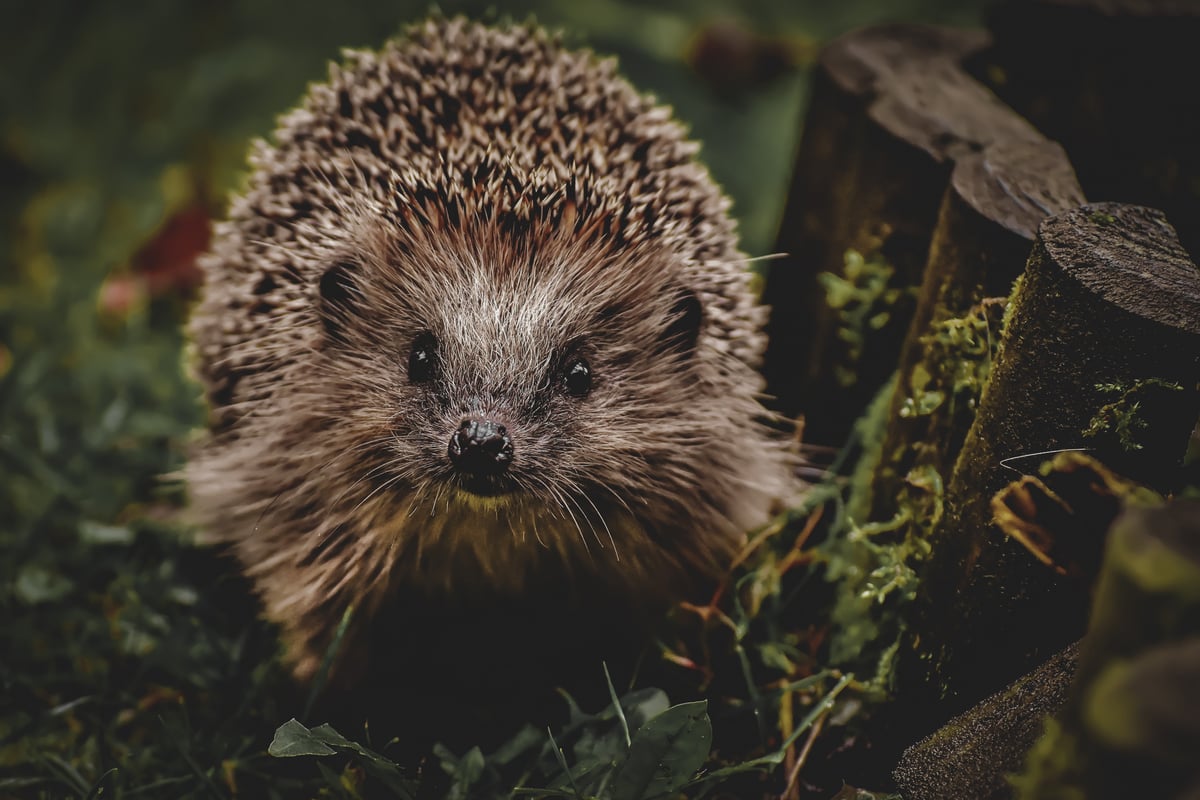
As winter approaches, gardens and green spaces transform into crucial sanctuaries for wildlife. Many species, including hedgehogs, frogs, and toads, rely on these areas for shelter and survival during the colder months. With temperatures dropping, it becomes essential to create environments that support these creatures as they prepare for hibernation.
Waste management expert Steve Mallon from Fletchers Waste emphasizes the need for balance during this season. “Autumn and winter are some of the most critical times for wildlife,” he states. “A little care and awareness when managing garden waste can make all the difference between helping wildlife thrive or accidentally harming it.”
Creating Safe Spaces for Wildlife
To ensure your garden remains a haven for local wildlife, several practical steps can be taken. First, consider leaving piles of leaves and twigs in a corner of your garden. These organic materials provide essential cover and warmth for creatures like hedgehogs, which often seek quiet spots to hibernate.
Additionally, avoid using pesticides or chemical fertilizers during this period. These substances can be harmful to wildlife, including beneficial insects that play a vital role in the ecosystem. Instead, opt for organic gardening methods that promote a healthy environment.
Another effective strategy is to create water sources for wildlife. Small ponds, birdbaths, or even shallow dishes filled with water can attract various species. Keeping these water sources accessible and free from ice will help sustain wildlife during the winter months.
Managing Garden Waste Responsibly
When tidying up your outdoor space, it is crucial to be mindful of the habitats you may disrupt. For example, when clearing away garden debris, take care not to disturb any hidden animals. Many creatures burrow beneath the surface, and a sudden disturbance can be harmful.
Mallon advises homeowners to think about the long-term impact of their garden management. “Before disposing of garden waste, consider what might be hiding underneath. A little extra time spent inspecting can protect vulnerable wildlife,” he explains.
Composting can also be a beneficial practice. By creating a compost heap, you not only reduce waste but also offer shelter to insects and other small animals. This natural process enriches the soil and fosters a healthier garden environment.
In conclusion, as winter sets in, gardeners play a pivotal role in supporting local wildlife. By adopting these simple practices, individuals can help ensure that their gardens remain safe havens for vulnerable species. Taking a few moments to reflect on wildlife needs during this critical season can lead to a thriving ecosystem in your own backyard.

Researchers Streamline Process to Harness Potent Nerve-Blocking Molecules

President Milatović Advocates for Direct Dialogue with Citizens

Brigitte Macron Faces Backlash Over Remarks on Feminist Protesters

President Milatović Advocates for Open Dialogue in Montenegro

Diageo Assures No Guinness Shortages Despite Belfast Workers’ Strike

Tess Daly Reflects on ‘Strictly Come Dancing’ Before Departure

Scientists Propose Innovative Solution to Space Debris Crisis

Memorial Tournament Honors Matija Šarkić with International Teams

Gloucester Care Worker Acquitted of Manslaughter Charge in Death

Neurologist Warns Excessive Use of Supplements Can Harm Brain

Fiona Phillips’ Husband Shares Heartfelt Update on Her Alzheimer’s Journey

Brian Cox Addresses Claims of Alien Probe in 3I/ATLAS Discovery

NASA Investigates Unusual Comet 3I/ATLAS; New Findings Emerge

Scientists Examine 3I/ATLAS: Alien Artifact or Cosmic Oddity?

Lewis Cope Addresses Accusations of Dance Training Advantage

Kerry Katona Discusses Future Baby Plans and Brian McFadden’s Wedding

NASA Investigates Speedy Object 3I/ATLAS, Sparking Speculation

Emmerdale Faces Tension as Dylan and April’s Lives Hang in the Balance
-
 Health3 months ago
Neurologist Warns Excessive Use of Supplements Can Harm Brain
-
 Health3 months ago
Fiona Phillips’ Husband Shares Heartfelt Update on Her Alzheimer’s Journey
-
 Science2 months ago
Brian Cox Addresses Claims of Alien Probe in 3I/ATLAS Discovery
-
 Science2 months ago
NASA Investigates Unusual Comet 3I/ATLAS; New Findings Emerge
-
 Science2 months ago
Scientists Examine 3I/ATLAS: Alien Artifact or Cosmic Oddity?
-
 Entertainment2 months ago
Lewis Cope Addresses Accusations of Dance Training Advantage
-
 Entertainment5 months ago
Kerry Katona Discusses Future Baby Plans and Brian McFadden’s Wedding
-
 Science1 month ago
NASA Investigates Speedy Object 3I/ATLAS, Sparking Speculation
-
 Entertainment4 months ago
Emmerdale Faces Tension as Dylan and April’s Lives Hang in the Balance
-

 World3 months ago
Cole Palmer’s Cryptic Message to Kobbie Mainoo Following Loan Talks
-
 Science1 month ago
NASA Scientists Explore Origins of 3I/ATLAS, a Fast-Moving Visitor
-

 Entertainment4 months ago
Major Cast Changes at Coronation Street: Exits and Returns in 2025