
World
UN Warns of Growing Food Insecurity in 16 Global Hotspots

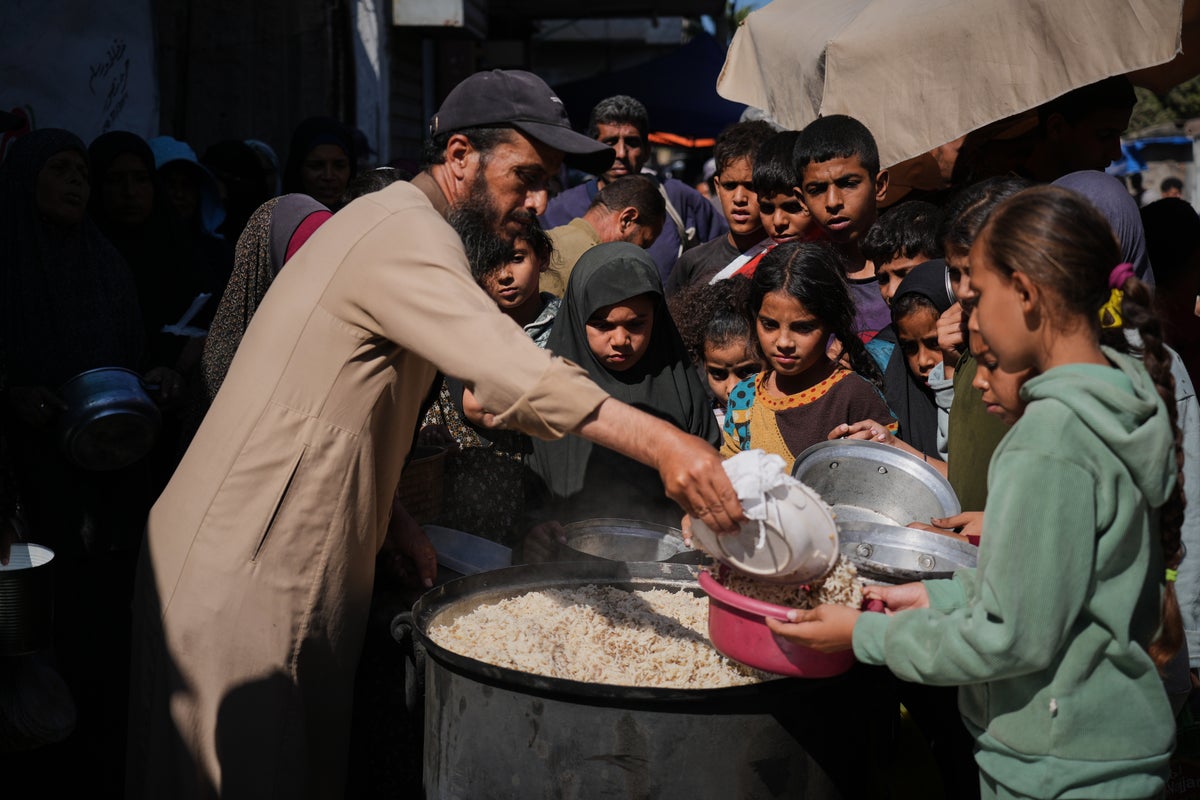
On November 12, 2025, the United Nations’ Food and Agriculture Organization (FAO) and the World Food Programme (WFP) released a joint report highlighting an alarming rise in food insecurity across the globe. The report identifies sixteen regions facing increasing risks of severe food crises, warning that without urgent and coordinated action, millions more people could experience acute food shortages.
The primary driver of food insecurity in many of these regions is armed conflict. Prolonged violence leads to the destruction of arable land, mass displacement, and the obstruction of humanitarian assistance. In Sudan, for example, ongoing intense fighting has left millions trapped in areas where markets have collapsed and aid distribution is nearly impossible. The FAO cautions that some regions may soon reach technical famine thresholds if the situation does not stabilize.
In Yemen, over 40% of the population is currently facing severe food insecurity. The destruction of essential infrastructure combined with a lack of fuel is severely hindering food imports, on which many citizens rely. The report also points to chronic instability in Palestine, where restrictions on the movement of essential goods have sharply decreased food availability and worsened nutritional indicators.
The deteriorating situation in Mali and Burkina Faso is marked by insecurity and unstable territorial control, causing market disruptions and agricultural trade blockages. In Burkina Faso, the latest food security analysis indicates that impoverished households in conflict-affected areas are experiencing significant challenges due to limited humanitarian assistance and market disruptions.
Economic instability represents a second critical factor contributing to food insecurity. Rising food prices, currency depreciation, and increased costs for fuel and agricultural supplies exacerbate the issue. In Haiti, violence and market disruptions have left approximately 5.7 million people—over half the population—facing acute food insecurity. Similar economic challenges are evident in Myanmar and Ethiopia, where households struggle to afford basic food items due to soaring prices.
Climate change serves as a third major driver of vulnerability, with phenomena such as prolonged droughts and extreme weather events impacting agricultural production. The Horn of Africa is particularly affected, as five consecutive seasons of failed rains have resulted in mass displacement and heightened reliance on nutritional programs. The WFP emphasizes that these climate-related challenges, exacerbated by El Niño effects, are likely to continue.
A critical shortfall in humanitarian funding is the fourth significant factor contributing to the crisis. The WFP estimates that available funding for the current year may only reach $6.4 billion, far below the levels required to sustain global operations. This shortage could lead to cuts in food rations, suspension of essential nutritional programs, and prioritization of the most vulnerable populations. In conflict-ridden areas where local markets have collapsed, humanitarian aid is often the last resort for sustenance.
The FAO-WFP report underscores that food insecurity is intertwined with broader instability, affecting public health, local economies, and migratory patterns. The interconnectedness of global food markets means that crises in these sixteen hotspots will likely create ripple effects in importing countries and fragile economies.
Despite the grave warnings, the report concludes with a note of optimism. It asserts that proactive investment in livelihoods, resilience, and social protection measures could avert the predicted deterioration in 2026. The report highlights that agricultural support, including assistance with seeds and livestock health, is vital for stabilizing food production and reducing dependency on emergency aid.
Yet, it stresses that without increased funding and unfettered humanitarian access, the opportunity to act swiftly may be lost, leading to an incalculable human cost.

Researchers Streamline Process to Harness Potent Nerve-Blocking Molecules

President Milatović Advocates for Direct Dialogue with Citizens

Brigitte Macron Faces Backlash Over Remarks on Feminist Protesters

President Milatović Advocates for Open Dialogue in Montenegro

Diageo Assures No Guinness Shortages Despite Belfast Workers’ Strike

Tess Daly Reflects on ‘Strictly Come Dancing’ Before Departure

Scientists Propose Innovative Solution to Space Debris Crisis

Memorial Tournament Honors Matija Šarkić with International Teams

Gloucester Care Worker Acquitted of Manslaughter Charge in Death

Neurologist Warns Excessive Use of Supplements Can Harm Brain

Fiona Phillips’ Husband Shares Heartfelt Update on Her Alzheimer’s Journey

Brian Cox Addresses Claims of Alien Probe in 3I/ATLAS Discovery

NASA Investigates Unusual Comet 3I/ATLAS; New Findings Emerge

Scientists Examine 3I/ATLAS: Alien Artifact or Cosmic Oddity?

Lewis Cope Addresses Accusations of Dance Training Advantage

Kerry Katona Discusses Future Baby Plans and Brian McFadden’s Wedding

NASA Investigates Speedy Object 3I/ATLAS, Sparking Speculation

Emmerdale Faces Tension as Dylan and April’s Lives Hang in the Balance
-
 Health3 months ago
Neurologist Warns Excessive Use of Supplements Can Harm Brain
-
 Health3 months ago
Fiona Phillips’ Husband Shares Heartfelt Update on Her Alzheimer’s Journey
-
 Science2 months ago
Brian Cox Addresses Claims of Alien Probe in 3I/ATLAS Discovery
-
 Science2 months ago
NASA Investigates Unusual Comet 3I/ATLAS; New Findings Emerge
-
 Science2 months ago
Scientists Examine 3I/ATLAS: Alien Artifact or Cosmic Oddity?
-
 Entertainment2 months ago
Lewis Cope Addresses Accusations of Dance Training Advantage
-
 Entertainment5 months ago
Kerry Katona Discusses Future Baby Plans and Brian McFadden’s Wedding
-
 Science1 month ago
NASA Investigates Speedy Object 3I/ATLAS, Sparking Speculation
-
 Entertainment4 months ago
Emmerdale Faces Tension as Dylan and April’s Lives Hang in the Balance
-

 World3 months ago
Cole Palmer’s Cryptic Message to Kobbie Mainoo Following Loan Talks
-

 Science1 month ago
NASA Scientists Explore Origins of 3I/ATLAS, a Fast-Moving Visitor
-

 Entertainment4 months ago
Major Cast Changes at Coronation Street: Exits and Returns in 2025