
Politics
Rachel Reeves Unveils Autumn Budget Amid Economic Challenges

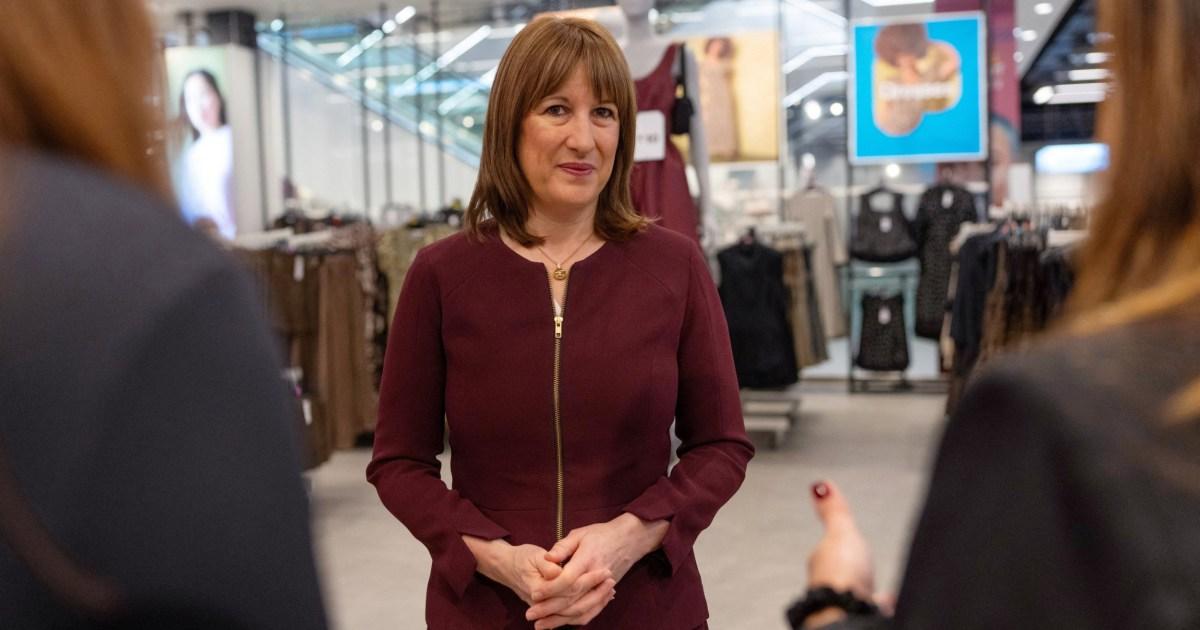
The highly anticipated Autumn Budget, delivered by Chancellor Rachel Reeves, took place today in the House of Commons at approximately 12:30 PM. This announcement comes after weeks of speculation regarding taxation and public spending, particularly concerning essential services like the NHS, schools, and policing. Reeves faces significant public scrutiny as she prepares to outline further tax increases aimed at balancing the national budget.
In a pre-Budget address, Reeves acknowledged widespread public frustration with the economic situation, stating, “I know that the cost of living is still bearing down on family finances.” She emphasized that while recent data shows wages are rising and the economy is growing faster than expected, challenges remain. Reeves highlighted the lasting impacts of austerity, Brexit, and the pandemic, asserting, “I’m not going to duck those challenges.”
Reeves has committed to specific fiscal rules, declaring a goal of no borrowing for day-to-day public spending by the end of this parliamentary term, and a reduction in government debt as a share of national income. According to the Institute for Fiscal Studies, achieving these goals may require a fiscal tightening of approximately £22 billion. The Chancellor has indicated that the previous headroom was insufficient and seeks to provide a larger buffer this time.
The announcement raised questions about potential tax increases, particularly in light of Labour’s previous manifesto promise not to raise income tax, National Insurance, or VAT for working individuals. Recent statements from Reeves suggested a possible shift in this stance. A freeze on income tax thresholds for two additional years until 2030 has been mentioned, which some critics view as a stealth tax affecting hundreds of thousands of people.
As for property taxes, significant changes are anticipated. The Labour government has ruled out increasing income tax, National Insurance, and VAT, leading to speculation about replacing stamp duty with a new property tax. Reports suggest that capital gains tax could also apply to more expensive properties, despite prior commitments to exempt primary home sales. Additionally, a proposed “mansion tax” could target affluent families, potentially raising £600 million from around 1.3 million households.
Reeves is also expected to address the pension tax and inheritance tax, with suggestions that the government may further restrict the 25% tax-free cash that can be withdrawn from pension pots. This measure, alongside potential changes to the treatment of agricultural assets and unused pension fund values, aims to enhance tax revenue.
The Chancellor’s plans may include a new tax structure for electric vehicles, as the government phases out petrol and diesel cars by 2030. A pay-per-mile tax for EVs has been suggested, a response to the growing need for a fair taxation system that accommodates the transition to greener vehicles.
In addressing the ongoing cost of living crisis, Reeves indicated that targeted actions may be taken to alleviate financial burdens on families. Proposals include reducing VAT on energy bills and reconsidering the two-child benefit cap, which restricts Universal Credit and Child Tax Credits for families with more than two children. Such changes could potentially lift 350,000 children out of poverty.
The announcement has significant implications for the Labour government, which is facing scrutiny and challenges within its ranks. Prime Minister Keir Starmer and Reeves have both encountered political turbulence, with calls for greater accountability and clarity in fiscal policy. Recent polling indicates that 79% of the public views the economy negatively, underscoring the pressure on the government to deliver effective solutions.
As the Budget unfolds, observers will be keenly watching how Reeves navigates these challenges while maintaining public trust and achieving her economic objectives. The response from opposition leaders, such as Kemi Badenoch, is expected to follow Reeves’s address, adding further dimension to the political landscape surrounding these critical fiscal decisions.

Woman Arrested After Stealing €950 Ring, Selling for €100

OPEC Maintains Steady Oil Output for Q1 2026 Amid Supply Concerns

Sidharth Malhotra Reveals Daughter’s Name and Its Special Meaning

Co Down Man Shares HIV Journey, Urges Testing on World AIDS Day

Police Arrest Woman for Stealing €950 Ring in Podgorica

Co Down Man Shares HIV Journey to Combat Stigma on World AIDS Day

Tesla Welcomes Apple Veteran Yilun Chen to Boost Optimus AI

Federal Reserve’s Rate Decision Sparks Market Uncertainty Ahead of Meeting

Viral Clip of Jay Ma Sparks Claims of Wealthy Heritage

Neurologist Warns Excessive Use of Supplements Can Harm Brain

Fiona Phillips’ Husband Shares Heartfelt Update on Her Alzheimer’s Journey

Brian Cox Addresses Claims of Alien Probe in 3I/ATLAS Discovery

NASA Investigates Unusual Comet 3I/ATLAS; New Findings Emerge

Scientists Examine 3I/ATLAS: Alien Artifact or Cosmic Oddity?

NASA Investigates Speedy Object 3I/ATLAS, Sparking Speculation

Kerry Katona Discusses Future Baby Plans and Brian McFadden’s Wedding

Emmerdale Faces Tension as Dylan and April’s Lives Hang in the Balance

Cole Palmer’s Cryptic Message to Kobbie Mainoo Following Loan Talks
-
 Health3 months ago
Neurologist Warns Excessive Use of Supplements Can Harm Brain
-
 Health3 months ago
Fiona Phillips’ Husband Shares Heartfelt Update on Her Alzheimer’s Journey
-
 Science1 month ago
Brian Cox Addresses Claims of Alien Probe in 3I/ATLAS Discovery
-
 Science1 month ago
NASA Investigates Unusual Comet 3I/ATLAS; New Findings Emerge
-
 Science1 month ago
Scientists Examine 3I/ATLAS: Alien Artifact or Cosmic Oddity?
-
 Science1 month ago
NASA Investigates Speedy Object 3I/ATLAS, Sparking Speculation
-
 Entertainment5 months ago
Kerry Katona Discusses Future Baby Plans and Brian McFadden’s Wedding
-
 Entertainment4 months ago
Emmerdale Faces Tension as Dylan and April’s Lives Hang in the Balance
-
 World3 months ago
Cole Palmer’s Cryptic Message to Kobbie Mainoo Following Loan Talks
-
 Science1 month ago
NASA Scientists Explore Origins of 3I/ATLAS, a Fast-Moving Visitor
-

 Entertainment2 months ago
Lewis Cope Addresses Accusations of Dance Training Advantage
-

 Entertainment3 months ago
Major Cast Changes at Coronation Street: Exits and Returns in 2025