
Science
Archaeologists to Investigate Unidentified Object at Ness of Brodgar

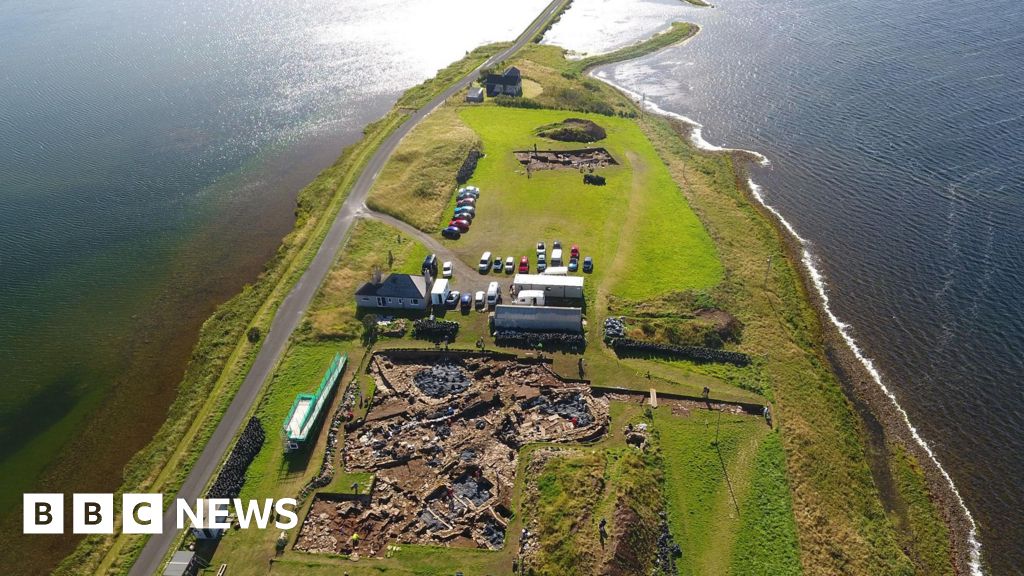
Archaeologists are set to resume excavation work at the Ness of Brodgar in Orkney following the discovery of an unidentified object through advanced 3D radar technology. This site, recognized as one of the most important Neolithic locations in the British Isles, has been a focal point for archaeological research for over two decades. The most recent excavations officially concluded in 2024, having revealed approximately 40 structures that indicate this area was a significant settlement in prehistoric Orkney.
The latest phase of work utilized Ground Penetrating Radar (GPR), allowing researchers to create three-dimensional images of the entire site for the first time. This scientific study led to an unexpected finding, described by the excavation team as “totally dissimilar to anything else we’ve uncovered.” According to the team, the architecture at Ness is characterized by straight lines and rectangular forms, which extend from the buildings to the artistic elements present.
Nick Card, an archaeologist who has been involved with the digs since 2004, expressed enthusiasm about the discovery during an interview with the BBC’s Radio Scotland Breakfast programme. He noted, “We think this is so unusual that it could add a new chapter to the history of the Ness.” He emphasized that the area of the site in question does not appear to have any deep archaeological layers, suggesting the upcoming excavation may yield findings different from those previously uncovered.
The Ness is situated just southeast of the Ring of Brodgar, a renowned Neolithic stone circle considered Orkney’s equivalent of Stonehenge. The Ness of Brodgar Trust describes the site as “without parallel in Atlantic Europe.” The existing structures at the three-hectare location were constructed in phases between approximately 3,500 BC and 2,400 BC.
Funding for this new phase of work has been provided by Time Team, which plans to feature the findings in a programme scheduled for next year. Card explained that the team’s approach will involve “keyhole surgery” techniques to open a small trench aimed at investigating this anomaly. He stated, “We always said that when we put the trenches to bed, that was the end of the fieldwork. But last summer we conducted several types of geophysics and what that has showed up is something quite extraordinary.”
This initiative marks the first occasion that this specific form of GPR has been applied in Scotland. While preliminary results have been remarkable, further analysis is needed to fully understand the implications of the findings. The team will integrate these results to construct 3D models of the site, enhancing their understanding of the development of the Ness.
The upcoming excavation is scheduled to be open to the public for four weeks in July 2026. However, the buildings that were previously accessible before 2024 will remain covered for preservation purposes, ensuring the site’s integrity for future research and public engagement.

Gordon Lyons MLA Tours Accessible Bungalow Development in Carrickfergus

Win a £1.15m Georgian Dream Home for Just £1 in Major Giveaway

Embrace “Good Enough”: The Key to Progress and Well-Being

Rescue Mission Launched After Reindeer Escapes Christmas Event

Teen’s Cold Symptoms Mask Deadly Brain Infection, Urgent Surgery Needed

Viral 6-7 Trend Fades as Children Move On from Chaos

Trump Responds Abruptly to Journalist’s MRI Question

New Thorium Measurements May Reveal Variations in Fine Structure Constant

Second Round of Professional Training Program Completes Matching

Neurologist Warns Excessive Use of Supplements Can Harm Brain

Fiona Phillips’ Husband Shares Heartfelt Update on Her Alzheimer’s Journey

Brian Cox Addresses Claims of Alien Probe in 3I/ATLAS Discovery

NASA Investigates Unusual Comet 3I/ATLAS; New Findings Emerge

Scientists Examine 3I/ATLAS: Alien Artifact or Cosmic Oddity?

NASA Investigates Speedy Object 3I/ATLAS, Sparking Speculation

Kerry Katona Discusses Future Baby Plans and Brian McFadden’s Wedding

Emmerdale Faces Tension as Dylan and April’s Lives Hang in the Balance

Cole Palmer’s Cryptic Message to Kobbie Mainoo Following Loan Talks
-
 Health3 months ago
Neurologist Warns Excessive Use of Supplements Can Harm Brain
-
 Health3 months ago
Fiona Phillips’ Husband Shares Heartfelt Update on Her Alzheimer’s Journey
-
 Science1 month ago
Brian Cox Addresses Claims of Alien Probe in 3I/ATLAS Discovery
-
 Science1 month ago
NASA Investigates Unusual Comet 3I/ATLAS; New Findings Emerge
-
 Science1 month ago
Scientists Examine 3I/ATLAS: Alien Artifact or Cosmic Oddity?
-
 Science1 month ago
NASA Investigates Speedy Object 3I/ATLAS, Sparking Speculation
-
 Entertainment5 months ago
Kerry Katona Discusses Future Baby Plans and Brian McFadden’s Wedding
-
 Entertainment4 months ago
Emmerdale Faces Tension as Dylan and April’s Lives Hang in the Balance
-
 World3 months ago
Cole Palmer’s Cryptic Message to Kobbie Mainoo Following Loan Talks
-
 Science1 month ago
NASA Scientists Explore Origins of 3I/ATLAS, a Fast-Moving Visitor
-

 Entertainment2 months ago
Lewis Cope Addresses Accusations of Dance Training Advantage
-

 Entertainment3 months ago
Major Cast Changes at Coronation Street: Exits and Returns in 2025