
Science
Athletes Face Rising Heat Risks Amid Climate Change Challenges

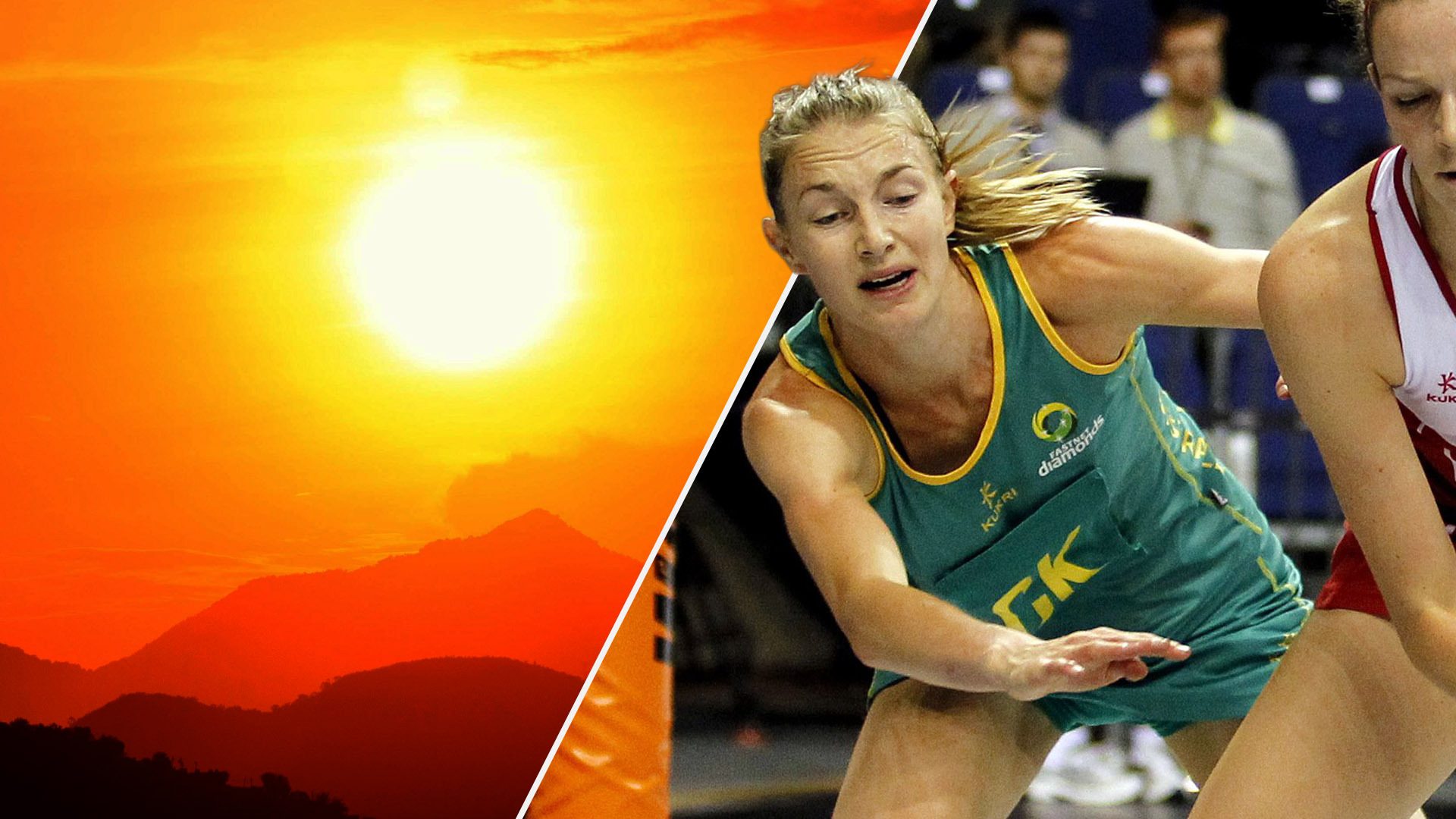
Athletes around the world are increasingly facing the dire impacts of extreme heat, prompting urgent discussions about safety and competition viability. During a recent match in Shanghai, Danish tennis player Holger Rune confronted officials with a stark question: “Do you want a player to die on court?” This incident highlights the growing concern for athlete safety as temperatures soar to 34°C with humidity levels hitting 80%.
The sporting calendar is heating up, quite literally. As competitions unfold globally, measures like cooling breaks, ice packs, and cold towels are becoming standard. With climate change taking center stage at events such as COP30, the challenge of maintaining athlete performance in escalating temperatures has never been more pressing.
Adapting to Extreme Conditions
In Australia, England’s cricketers are gearing up to reclaim the Ashes, facing potential temperatures reminiscent of the record-breaking 47.3°C recorded during a Sydney test match in 2018. Such extreme conditions raise questions about how elite athletes adapt.
Olympic champion triathlete Georgia Taylor-Brown has made significant adjustments to her training regimen. The 31-year-old now trains in a state-of-the-art heat chamber at Leeds Beckett University, allowing her to condition her body to handle high temperatures. “You really have to think about how you’re preparing more, and you have to just expose yourself to the heat,” she stated.
Taylor-Brown emphasized the importance of mental preparation, saying, “For me, a big thing is to know that I’m going to get hot, but I’m not going to die.” This perspective reflects a broader trend among athletes, as a recent World Athletics Survey revealed that over 70% of athletes are feeling the effects of climate change on their training and competition schedules.
The Long-Term Consequences of Heat
The dangers of extreme heat are not merely theoretical. Former Australian netball player Amy Steel considers herself fortunate to be alive after suffering heat stroke, which ended her career in 2016. Steel, now 36, experiences debilitating effects on hot days, describing episodes where her brain “will start to go into a bit of a stroke-like pattern.” She struggles with everyday tasks, including speech and memory, underscoring the serious implications that heat can have on athletic careers and overall health.
In light of these challenges, Seb Coe, President of World Athletics, has suggested that the global calendar for Olympic sports may need reevaluation. He pointed out that as climate change intensifies, the scheduling of competitions may require significant alterations to ensure athlete safety.
The International Olympic Committee (IOC) is also taking steps to address these issues. Sebastien Racinais, a member of the IOC’s Medical & Scientific Commission, acknowledged the potential for climate change to impact future Olympic venues. In an interview, he warned that the upcoming 2028 Summer Olympics in Los Angeles could see unprecedented heat levels, stating, “We have to be ready for very hot ambient conditions, hotter than Tokyo was, probably the hottest so far.”
The urgent nature of these developments calls for immediate action from sporting authorities and decision-makers. Without a proactive approach, athletes fear they may struggle to compete in a rapidly warming environment.
As the world faces rising temperatures, the challenges for athletes are clear. Ensuring their safety and well-being in the face of climate change will be crucial for the future of sports.

BAFTA Winner Sophie Willan Welcomes First Child, Baby Elijah

Cyber Monday Discounts Bring GPUs Closer to MSRP for Shoppers

Fans Demand Rule Change After Emotional ‘I’m A Celebrity’ Episode

Study Reveals Laughing Gas Offers Quick Relief for Severe Depression

Maximize Your Christmas Budget with Top E-Gift Card Deals

Angela Rayner Criticizes Starmer’s Reversal on Workers’ Rights

Astronomers Stunned by 3I/ATLAS Comet’s Unexplained Twin Jets

West Ham’s Mads Hermansen Faces Uncertain Future After Goalkeeping Change

Austrian Influencer Stefanie Pieper Found Dead in Slovenian Forest

Neurologist Warns Excessive Use of Supplements Can Harm Brain

Fiona Phillips’ Husband Shares Heartfelt Update on Her Alzheimer’s Journey

Brian Cox Addresses Claims of Alien Probe in 3I/ATLAS Discovery

NASA Investigates Unusual Comet 3I/ATLAS; New Findings Emerge

Scientists Examine 3I/ATLAS: Alien Artifact or Cosmic Oddity?

NASA Investigates Speedy Object 3I/ATLAS, Sparking Speculation

Kerry Katona Discusses Future Baby Plans and Brian McFadden’s Wedding

Emmerdale Faces Tension as Dylan and April’s Lives Hang in the Balance

Cole Palmer’s Cryptic Message to Kobbie Mainoo Following Loan Talks
-
 Health3 months ago
Neurologist Warns Excessive Use of Supplements Can Harm Brain
-
 Health3 months ago
Fiona Phillips’ Husband Shares Heartfelt Update on Her Alzheimer’s Journey
-
 Science1 month ago
Brian Cox Addresses Claims of Alien Probe in 3I/ATLAS Discovery
-
 Science1 month ago
NASA Investigates Unusual Comet 3I/ATLAS; New Findings Emerge
-
 Science1 month ago
Scientists Examine 3I/ATLAS: Alien Artifact or Cosmic Oddity?
-
 Science1 month ago
NASA Investigates Speedy Object 3I/ATLAS, Sparking Speculation
-
 Entertainment5 months ago
Kerry Katona Discusses Future Baby Plans and Brian McFadden’s Wedding
-
 Entertainment4 months ago
Emmerdale Faces Tension as Dylan and April’s Lives Hang in the Balance
-
 World3 months ago
Cole Palmer’s Cryptic Message to Kobbie Mainoo Following Loan Talks
-

 Science1 month ago
NASA Scientists Explore Origins of 3I/ATLAS, a Fast-Moving Visitor
-

 Entertainment2 months ago
Lewis Cope Addresses Accusations of Dance Training Advantage
-

 Entertainment3 months ago
Major Cast Changes at Coronation Street: Exits and Returns in 2025