
Politics
Angela Rayner Criticizes Starmer’s Reversal on Workers’ Rights

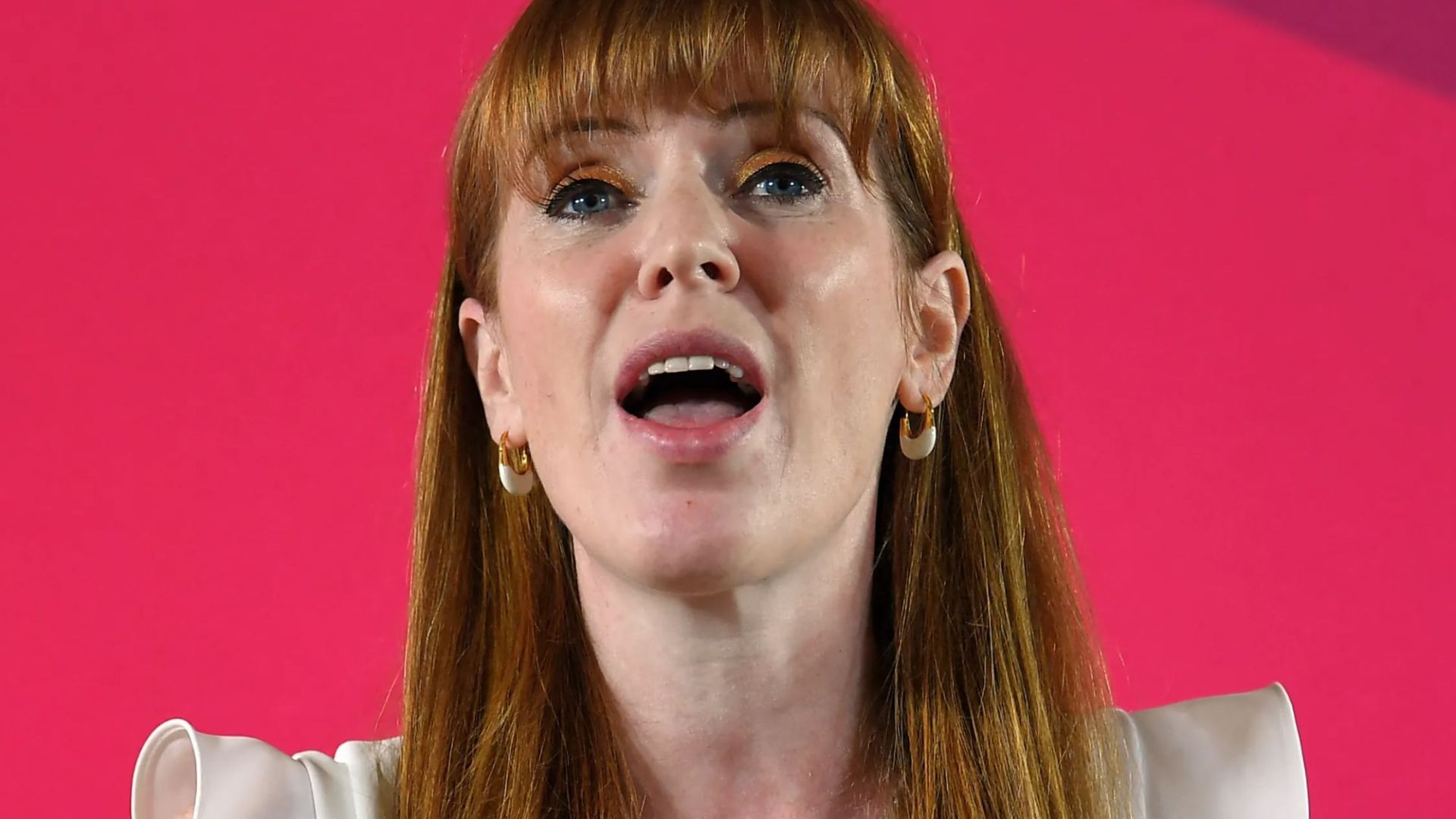
Angela Rayner has expressed her dissatisfaction with Sir Keir Starmer’s recent decision to abandon a key workers’ rights commitment. This move, confirmed by her close ally Justin Madders, has left Rayner feeling discontented, particularly after the party had campaigned extensively on this issue.
Madders, a former employment minister who played a pivotal role in advancing Rayner’s Employment Rights Bill, stated that she is “not doing cartwheels” following the Prime Minister’s choice to remove day-one protection against unfair dismissal claims. Speaking on LBC, he remarked, “When we’ve all gone out and campaigned on something for a number of years, we’re committed to, we’ve promised we’d deliver it and we don’t, I think you can probably assume she isn’t doing cartwheels over this.”
U-Turn on Employment Rights
Rayner, the former Deputy Prime Minister, has maintained a low profile since Starmer’s decision to scrap the manifesto pledge. This change follows concerns that the original plan would negatively impact businesses, lead to job losses, and deter firms from hiring new workers. Allies of Rayner suggest she may only publicly address the issue if further alterations to the proposal occur.
In a significant shift, the new proposal stipulates that the qualifying period for initiating an unfair dismissal claim will be set at six months, contrasting sharply with Labour’s original promise of immediate protection. Despite this setback, other rights, including parental leave and sick pay, are still slated to be implemented, with a projected start date of April 2026.
Political Reactions
The reversal has drawn criticism from various quarters, with more than a dozen Labour MPs publicly opposing the decision. Some have indicated a willingness to challenge the change within the House of Commons. On the opposing side, Conservative leader Kemi Badenoch characterized the move as “yet another humiliating u-turn,” adding, “Labour talk about stability but govern in chaos.” Badenoch emphasized that such uncertainty hampers companies’ ability to plan, invest, or hire effectively.
Government ministers, however, have defended the adjustment, labeling it a “pragmatic” response after extensive discussions with trade unions and business leaders. The ongoing debate highlights a critical tension within the Labour Party as it navigates the balance between workers’ rights and economic considerations.
The implications of this decision may extend beyond immediate political ramifications, affecting public sentiment towards Labour as it prepares for future electoral challenges. As the situation unfolds, the focus will likely remain on how Labour reconciles its commitments to workers with the demands of a competitive business environment.

Niksic Celebrates Cultural Legacy with Folklore Milestone

NLC Demands Urgent Wage Adjustments Amid Rising Living Costs

‘One Battle After Another’ Triumphs with Six Oscars at 98th Academy Awards

Rainy Monday in Alton Clears for Sunshine by Midweek

Residents Push for New Supermarket in Overcrowded Town

Jimmy Kimmel Critiques Trump at 98th Academy Awards Ceremony

Young People Face Job Market Challenges Due to Health Issues

Stars Shine at the 2026 Oscars: Adorable Couples Take Center Stage

Brooklyn Beckham Faces Backlash for Mother’s Day Message Snub

Andrew Pierce Confirms Departure from ITV’s Good Morning Britain

Coronation Street Reveals Audrey Roberts’ Absence Explained

Fiona Phillips’ Husband Shares Heartfelt Update on Her Alzheimer’s Journey

Gogglebox Star Helena Worthington Announces Break After Loss

Neurologist Warns Excessive Use of Supplements Can Harm Brain

Brian Cox Addresses Claims of Alien Probe in 3I/ATLAS Discovery

NASA Investigates Unusual Comet 3I/ATLAS; New Findings Emerge

EastEnders Welcomes Back Mark Fowler Jr. with New Actor

Tess Daly Honoured with MBE, Announces Departure from Strictly
-
 Entertainment6 months ago
Andrew Pierce Confirms Departure from ITV’s Good Morning Britain
-
 Entertainment3 months ago
Coronation Street Reveals Audrey Roberts’ Absence Explained
-
 Health9 months ago
Fiona Phillips’ Husband Shares Heartfelt Update on Her Alzheimer’s Journey
-
 Entertainment6 months ago
Gogglebox Star Helena Worthington Announces Break After Loss
-
 Health9 months ago
Neurologist Warns Excessive Use of Supplements Can Harm Brain
-
 Science7 months ago
Brian Cox Addresses Claims of Alien Probe in 3I/ATLAS Discovery
-
 Science7 months ago
NASA Investigates Unusual Comet 3I/ATLAS; New Findings Emerge
-
 World4 months ago
EastEnders Welcomes Back Mark Fowler Jr. with New Actor
-
 Entertainment7 months ago
Tess Daly Honoured with MBE, Announces Departure from Strictly
-

 Health4 months ago
Gyles Brandreth Shares Heartfelt Journey Following Grandson’s Cancer Diagnosis
-

 Entertainment9 months ago
Major Cast Changes at Coronation Street: Exits and Returns in 2025
-

 World7 months ago
EastEnders’ Nicola Mitchell Faces Life-Changing Pregnancy Twist