
Politics
Elon Musk’s DOGE Initiative Fails: Baby Pandas Analogy Sparks Controversy

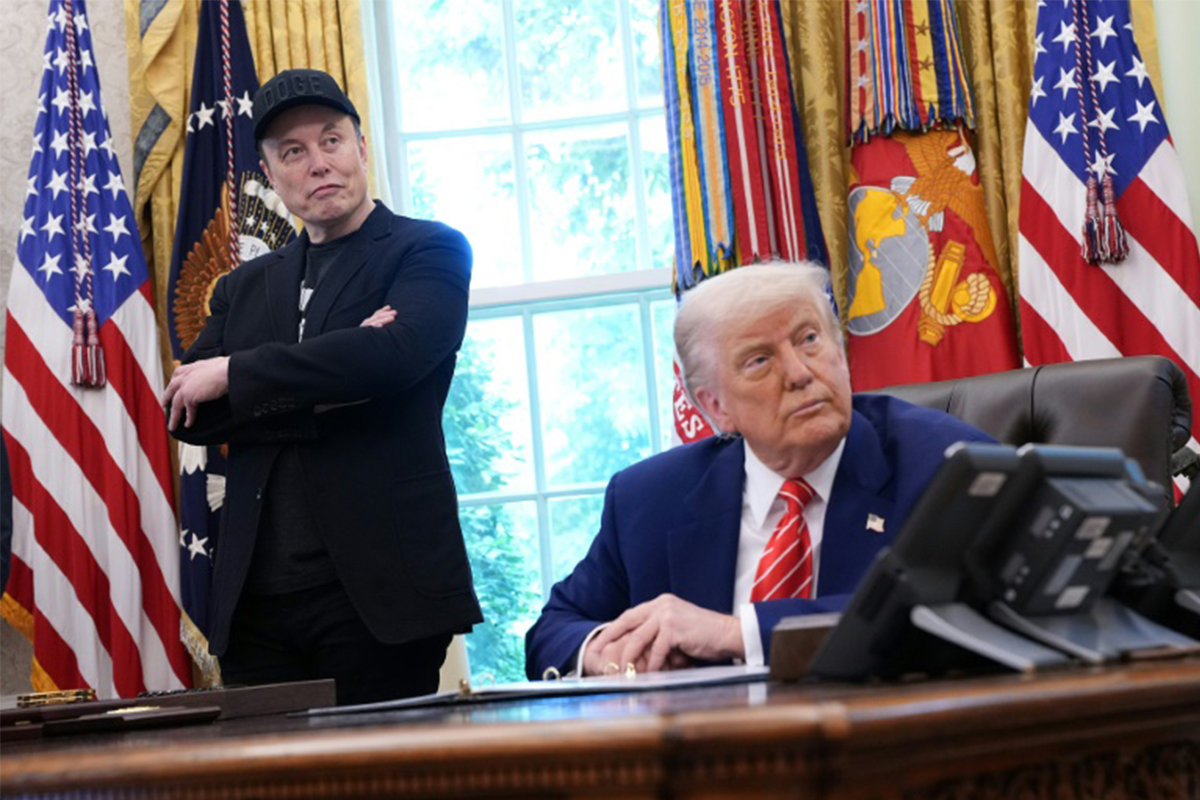
The Department of Government Efficiency (DOGE), an initiative led by Elon Musk, has officially dissolved eight months ahead of schedule. This unexpected conclusion marks a significant setback for an agency that aimed to deliver substantial savings to American taxpayers. Musk’s response to the failure included a peculiar analogy involving baby pandas, raising eyebrows and questions about the initiative’s accountability.
In a recent interview on the podcast WTF Is, hosted by entrepreneur Nikhil Kamath, Musk defended DOGE’s controversial spending cuts. He claimed that those engaging in fraud often use emotionally resonant causes to mask their illicit activities. “Fraudsters necessarily will come up with a very sympathetic argument. They’re not going to say, ‘Give us the money for fraud,'” Musk stated, elaborating that appealing causes can serve as a cover for corruption.
He further illustrated his point with an unusual comparison, saying, “It’s going to be like the Save the Baby Pandas NGO,” adding that while the cause seems noble, it can mask wrongdoing. Musk’s comments came just before the formal announcement of DOGE’s shutdown was made public, highlighting the disconnect between the initiative’s ambitious goals and its actual performance.
Ambitious Goals and Financial Claims
Initially launched in response to inefficiencies within the government, DOGE aimed to save American taxpayers $2 trillion in its first year. This figure was later revised to $1 trillion and then further reduced to an expectation of $150 billion in savings for the next fiscal year. Despite the department’s website claiming savings of approximately $214 billion, external analysts have disputed this figure, citing reliance on questionable math and inflated claims derived from cancelled federal contracts.
The initiative was part of a broader effort initiated during the second administration of Donald Trump, aimed at modernising federal technology and reducing government spending. DOGE was created by reorganising the existing United States Digital Service (USDS), with Musk briefly serving as a special advisor. The department’s official mission was to identify and eliminate “waste, fraud, and abuse,” but it faced significant criticism for its lack of transparency and controversial layoffs.
Controversial Legacy and Musk’s Departure
Despite its grand ambitions, DOGE’s reputation was tainted by claims of unverified savings and chaotic operations. The initiative’s cessation was reported shortly after Musk stepped down as a special advisor in late May 2025, coinciding with a public fallout with Trump. Reflecting on his time with DOGE, Musk described it as an “interesting side quest,” where he observed various government operations and identified potential efficiencies.
The initiative’s failure underscores the challenges of implementing significant reforms within established governmental structures. As DOGE’s brief existence comes to an end, the controversy surrounding its claims and Musk’s peculiar defense raises important questions about accountability and transparency in government initiatives.
While the full implications of DOGE’s dissolution remain to be seen, its abrupt end serves as a cautionary tale about the complexities of governmental efficiency and the potential pitfalls of ambitious promises that go unfulfilled.

Elon Musk’s DOGE Initiative Ends Abruptly Amid Controversy

China Accelerates Global Expansion of Clean Energy Giants

Fitness Influencer Dmitry Nuyanzin Dies After Extreme Challenge

North East NHS Maintains Gluten-Free Support for Under-25s

Newcastle’s Heart Unit Clinic Transformed to Support Young Patients

Elon Musk’s DOGE Initiative Fails: Baby Pandas Analogy Sparks Controversy

Researchers Unveil Noise-Proof Quantum Sensor with Calcium Ions

Tom Aspinall Accuses Ciryl Gane of Intentional Eye Poke at UFC 321

Iconic Paintings Reimagined with AI: A Modern Beauty Revival

Neurologist Warns Excessive Use of Supplements Can Harm Brain

Fiona Phillips’ Husband Shares Heartfelt Update on Her Alzheimer’s Journey

Brian Cox Addresses Claims of Alien Probe in 3I/ATLAS Discovery

NASA Investigates Unusual Comet 3I/ATLAS; New Findings Emerge

Scientists Examine 3I/ATLAS: Alien Artifact or Cosmic Oddity?

NASA Investigates Speedy Object 3I/ATLAS, Sparking Speculation

Kerry Katona Discusses Future Baby Plans and Brian McFadden’s Wedding

Emmerdale Faces Tension as Dylan and April’s Lives Hang in the Balance

Cole Palmer’s Cryptic Message to Kobbie Mainoo Following Loan Talks
-
 Health3 months ago
Neurologist Warns Excessive Use of Supplements Can Harm Brain
-
 Health3 months ago
Fiona Phillips’ Husband Shares Heartfelt Update on Her Alzheimer’s Journey
-
 Science1 month ago
Brian Cox Addresses Claims of Alien Probe in 3I/ATLAS Discovery
-
 Science1 month ago
NASA Investigates Unusual Comet 3I/ATLAS; New Findings Emerge
-
 Science1 month ago
Scientists Examine 3I/ATLAS: Alien Artifact or Cosmic Oddity?
-
 Science1 month ago
NASA Investigates Speedy Object 3I/ATLAS, Sparking Speculation
-
 Entertainment5 months ago
Kerry Katona Discusses Future Baby Plans and Brian McFadden’s Wedding
-
 Entertainment4 months ago
Emmerdale Faces Tension as Dylan and April’s Lives Hang in the Balance
-
 World3 months ago
Cole Palmer’s Cryptic Message to Kobbie Mainoo Following Loan Talks
-
 Science1 month ago
NASA Scientists Explore Origins of 3I/ATLAS, a Fast-Moving Visitor
-

 Entertainment2 months ago
Lewis Cope Addresses Accusations of Dance Training Advantage
-

 Entertainment3 months ago
Major Cast Changes at Coronation Street: Exits and Returns in 2025