
Health
North East NHS Maintains Gluten-Free Support for Under-25s

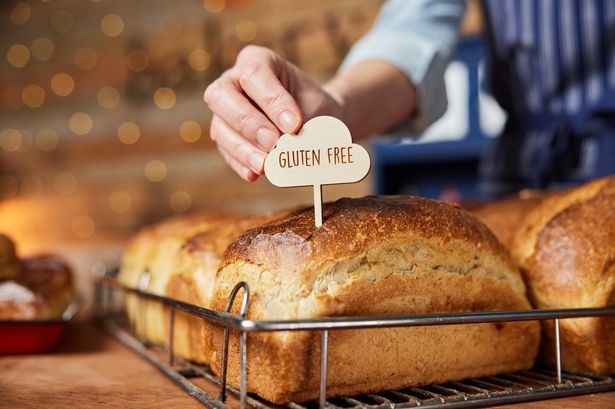
Under-25s diagnosed with coeliac disease in the North East will continue to receive gluten-free bread and flour mix on prescription. The NHS North East and North Cumbria Integrated Care Board (ICB) recently reversed its decision to discontinue this support, which affects approximately 4,000 individuals in the region.
Initially, the ICB had planned to eliminate gluten-free food prescriptions for all ages. However, after a six-week consultation period that garnered around 1,400 comments from the public, the board decided to focus support solely on younger patients.
Gluten-free products are crucial for managing coeliac disease, a condition that impairs the digestive system’s ability to process gluten. The cost of providing gluten-free bread and flour mix to the 4,000 patients is estimated to be around £700,000 annually. This expense arises from NHS procurement rules, which often lead to higher costs compared to retail prices. A packet of gluten-free bread mix can exceed £10 for the NHS, while it typically retails for around £2.27 in supermarkets.
Public Consultation Influences Decision
Professor Ewan Maule, the ICB’s clinical director, emphasized the challenges the NHS faces in allocating its limited resources. He stated, “Following public involvement, we’re pleased to proceed with an option that protects some of our most vulnerable patients.” The decision reflects broader concerns about child poverty in the region, as continued access to gluten-free products is vital for children and young people adapting to a coeliac diagnosis.
Maule noted that the approach to providing gluten-free support should be fair and consistent. He pointed out that specialist food provisions are not typically available for other medical conditions, such as nut allergies. “When the NHS first started providing tinned gluten-free bread in the 1960s, it was almost impossible to find these products elsewhere. Today, gluten-free foods are widely available in supermarkets, online, and even corner shops, with clear labeling to support safe choices,” he added.
Implications of National Guidance Changes
This decision aligns with evolving national guidelines from NHS England, which have led other regions to abandon gluten-free prescriptions altogether. The new policy will take effect on March 1, 2024, and aims to balance the needs of patients with the financial realities faced by the NHS.
As the ICB moves forward, it will be critical to monitor how these changes impact the health and well-being of those affected by coeliac disease in the North East. The ongoing support for under-25s marks a significant commitment to addressing the needs of a vulnerable population while facing the fiscal challenges inherent in healthcare provision.

Elon Musk’s DOGE Initiative Ends Abruptly Amid Controversy

China Accelerates Global Expansion of Clean Energy Giants

Fitness Influencer Dmitry Nuyanzin Dies After Extreme Challenge

North East NHS Maintains Gluten-Free Support for Under-25s

Newcastle’s Heart Unit Clinic Transformed to Support Young Patients

Elon Musk’s DOGE Initiative Fails: Baby Pandas Analogy Sparks Controversy

Researchers Unveil Noise-Proof Quantum Sensor with Calcium Ions

Tom Aspinall Accuses Ciryl Gane of Intentional Eye Poke at UFC 321

Iconic Paintings Reimagined with AI: A Modern Beauty Revival

Neurologist Warns Excessive Use of Supplements Can Harm Brain

Fiona Phillips’ Husband Shares Heartfelt Update on Her Alzheimer’s Journey

Brian Cox Addresses Claims of Alien Probe in 3I/ATLAS Discovery

NASA Investigates Unusual Comet 3I/ATLAS; New Findings Emerge

Scientists Examine 3I/ATLAS: Alien Artifact or Cosmic Oddity?

NASA Investigates Speedy Object 3I/ATLAS, Sparking Speculation

Kerry Katona Discusses Future Baby Plans and Brian McFadden’s Wedding

Emmerdale Faces Tension as Dylan and April’s Lives Hang in the Balance

Cole Palmer’s Cryptic Message to Kobbie Mainoo Following Loan Talks
-
 Health3 months ago
Neurologist Warns Excessive Use of Supplements Can Harm Brain
-
 Health3 months ago
Fiona Phillips’ Husband Shares Heartfelt Update on Her Alzheimer’s Journey
-
 Science1 month ago
Brian Cox Addresses Claims of Alien Probe in 3I/ATLAS Discovery
-
 Science1 month ago
NASA Investigates Unusual Comet 3I/ATLAS; New Findings Emerge
-
 Science1 month ago
Scientists Examine 3I/ATLAS: Alien Artifact or Cosmic Oddity?
-
 Science1 month ago
NASA Investigates Speedy Object 3I/ATLAS, Sparking Speculation
-
 Entertainment5 months ago
Kerry Katona Discusses Future Baby Plans and Brian McFadden’s Wedding
-
 Entertainment4 months ago
Emmerdale Faces Tension as Dylan and April’s Lives Hang in the Balance
-
 World3 months ago
Cole Palmer’s Cryptic Message to Kobbie Mainoo Following Loan Talks
-

 Science1 month ago
NASA Scientists Explore Origins of 3I/ATLAS, a Fast-Moving Visitor
-

 Entertainment2 months ago
Lewis Cope Addresses Accusations of Dance Training Advantage
-

 Entertainment3 months ago
Major Cast Changes at Coronation Street: Exits and Returns in 2025