
Health
UK’s Leading Menopause Doctor Advocates for New Language and Focus

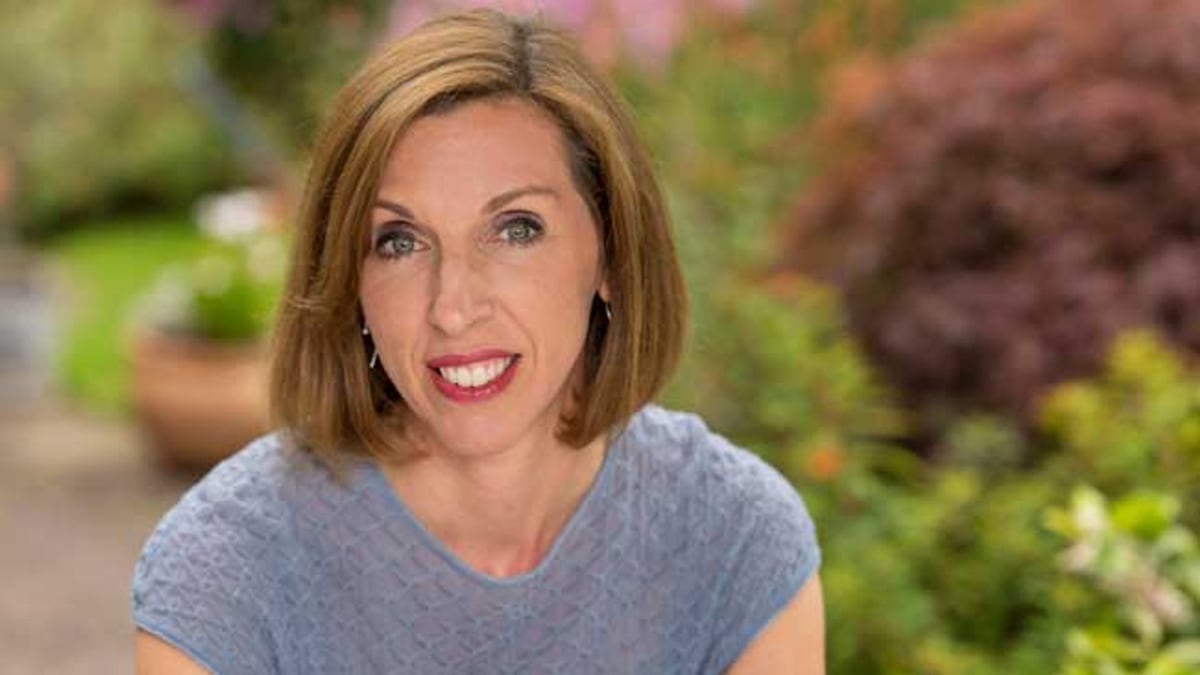
Dr. Louise Newson, a prominent figure in the discussion surrounding menopause, is advocating for a shift in how society talks about women’s hormonal health, particularly the perimenopause and menopause. As she prepares for the release of a new documentary titled Balance: A Perimenopause Journey, she emphasizes the need to stop using the term “menopause” as a catch-all and instead focus on the specific hormones involved and their effects on the body.
In her earlier appearances, particularly in the Davina McCall documentary “Sex, Myths and The Menopause” in 2021, Dr. Newson played a crucial role in changing perceptions of women’s health in the UK. Many women experiencing perimenopausal symptoms faced a lack of understanding, both from themselves and their healthcare providers. Her advocacy has contributed to significant advancements, including the introduction of perimenopause screening in the UK’s NHS women’s health MOT test.
Dr. Newson’s current stance, as she discusses in her upcoming documentary, centers on the importance of precise language. “I don’t like the word menopause really,” she mentioned during a recent Zoom interview. This preference stems from a desire to clarify the various hormonal changes women experience rather than to group them under a single term that can be misleading.
Shifting the Narrative on Hormonal Health
The documentary showcases Dr. Newson’s work with two female monks who seek guidance on understanding their symptoms and treatment options related to perimenopause. She highlights that discussions surrounding menopause often overlook individual differences, leading to ineffective treatment pathways.
By reframing the conversation, Dr. Newson aims to empower women with knowledge about their hormonal health, encouraging them to recognize and seek treatment for specific deficiencies. “If you said to me, ‘I’m really tired,’ that might be a diagnosis, but it doesn’t pinpoint the problem. If I said, ‘You have low vitamin D,’ then you would understand,” she explained.
Dr. Newson draws parallels between hormone therapy and the management of conditions like diabetes, emphasizing that the approach to hormonal health should be tailored to each individual based on their unique needs. “In my clinic, we’re optimizing hormones and topping up the hormones that are lost. Everyone’s different,” she said.
Understanding Hormones: The Key to Better Treatment
Dr. Newson identifies three primary hormones—progesterone, estrogen, and testosterone—which play crucial roles in regulating various bodily functions. Each hormone has distinct effects, yet they work together to maintain overall health. For instance, low levels of testosterone may lead to mood changes and fatigue, while progesterone is essential for calming the nervous system.
The challenge lies in identifying which symptoms correspond to which hormonal deficiencies. For example, both low testosterone and low estrogen can cause similar symptoms, such as hot flashes. “It’s very hard to know which symptom is due to which hormone or deficiency because they’re very similar,” Dr. Newson pointed out.
The documentary illustrates various approaches to managing symptoms, featuring individuals like Sadhvi Siddhali Shree, who opts for hormone replacement therapy (HRT), and Sadhvi Anubhuti, who chooses a more natural route. The contrasting decisions highlight the importance of personal choice in treatment.
Dr. Newson’s vision extends beyond menopause to encompass the entire spectrum of hormonal changes women experience throughout their lives. She urges that awareness should not begin only at the onset of menopause but should be part of a broader understanding of hormonal health from a young age.
“A lot of my work is not just about menopause and perimenopause; it includes PMS and PMDD [premenstrual dysphoric disorder],” she stated. By educating individuals about hormonal changes at different life stages, Dr. Newson hopes to facilitate smoother transitions into perimenopause.
A Call to Action for Awareness
Dr. Newson is clear that women should not delay seeking help or understanding their hormonal health. “I don’t think we should wait until we’re 40 because it’s often too late,” she cautioned. Her message is one of proactive health management, emphasizing that everyone should have knowledge about hormonal changes at every age.
With the documentary Balance: A Perimenopause Journey set to be available on Apple TV and Amazon Prime from January 30, 2024, Dr. Newson aims to continue the conversation and encourage women to take charge of their health. The hope is that by changing the language surrounding menopause and focusing on specific hormones, more women will receive the appropriate care they need and deserve.
In a landscape where many still grapple with misconceptions about menopause, Dr. Newson’s work represents a pivotal shift towards a more informed and individualized approach to women’s health.

Badminton England Launches Shuttle Stars to Engage Youth Across the UK

Keir Starmer Faces Backlash Over Potential EU Tuition Fee Discounts

Paul Mescal Celebrates 30th Birthday with Heartfelt Tribute from Mother

Alice Loxton Explores Georgian Healthcare’s Oddities and Insights

Alice Loxton Unveils Georgian Fashion and Early Celebrity Culture

David Goodwillie Faces Potential Private Rape Prosecution Soon

Scientists Accelerate Development of Metal-Based Antibiotics

Manchester United Attempts Late Bid for Liverpool’s Jacquet

Ifunanya Nwangene, Rising Star from The Voice Nigeria, Dies at 26

Andrew Pierce Confirms Departure from ITV’s Good Morning Britain

Fiona Phillips’ Husband Shares Heartfelt Update on Her Alzheimer’s Journey

Neurologist Warns Excessive Use of Supplements Can Harm Brain

Brian Cox Addresses Claims of Alien Probe in 3I/ATLAS Discovery

Gogglebox Star Helena Worthington Announces Break After Loss

NASA Investigates Unusual Comet 3I/ATLAS; New Findings Emerge

EastEnders Welcomes Back Mark Fowler Jr. with New Actor

Tess Daly Honoured with MBE, Announces Departure from Strictly

Kerry Katona Discusses Future Baby Plans and Brian McFadden’s Wedding
-
 Entertainment2 months ago
Andrew Pierce Confirms Departure from ITV’s Good Morning Britain
-
 Health5 months ago
Fiona Phillips’ Husband Shares Heartfelt Update on Her Alzheimer’s Journey
-
 Health5 months ago
Neurologist Warns Excessive Use of Supplements Can Harm Brain
-
 Science4 months ago
Brian Cox Addresses Claims of Alien Probe in 3I/ATLAS Discovery
-
 Entertainment2 months ago
Gogglebox Star Helena Worthington Announces Break After Loss
-
 Science3 months ago
NASA Investigates Unusual Comet 3I/ATLAS; New Findings Emerge
-
 World2 weeks ago
EastEnders Welcomes Back Mark Fowler Jr. with New Actor
-
 Entertainment3 months ago
Tess Daly Honoured with MBE, Announces Departure from Strictly
-
 Entertainment7 months ago
Kerry Katona Discusses Future Baby Plans and Brian McFadden’s Wedding
-

 Science3 months ago
Scientists Examine 3I/ATLAS: Alien Artifact or Cosmic Oddity?
-

 Entertainment4 months ago
Lewis Cope Addresses Accusations of Dance Training Advantage
-

 World3 months ago
Bailey and Rebecca Announce Heartbreaking Split After MAFS Reunion