
Top Stories
Italy’s Foreign Minister Prioritizes Balkan EU Membership

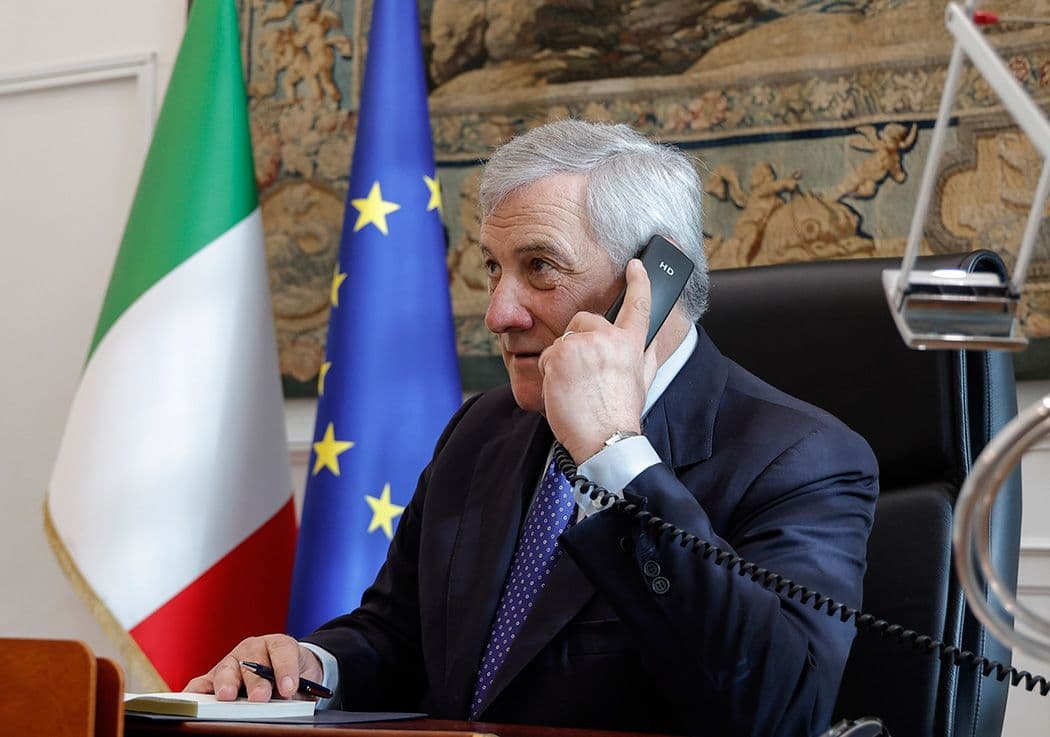
Italy’s Foreign Minister, Antonio Tajani, emphasized the importance of prioritizing the accession of Balkan countries to the European Union. During an interview with the Italian newspaper Corriere della Sera, Tajani stated that Italy is committed to supporting Ukraine’s EU membership but insists that the Balkan nations should take precedence due to existing obligations.
Tajani’s remarks come as the EU continues to navigate its expansion strategies. He highlighted that while support for Ukraine remains critical, the bloc has specific commitments to its Balkan neighbors. “We support Ukraine’s accession to the European Union, but the Balkans are our first priority, as we have certain obligations towards these countries,” Tajani explained.
His comments align with the broader EU perspective on membership, particularly in light of previous discussions surrounding Ukraine’s potential timeline for joining. German Chancellor Friedrich Merz has expressed skepticism regarding Ukraine’s EU membership prospects, explicitly ruling out a possible accession by 2027. This sentiment has been echoed by officials from Hungary, Poland, and Austria, who share similar views on the challenges facing Ukraine in its EU journey.
The Balkan region, which includes countries such as Montenegro, Serbia, Albania, Bosnia and Herzegovina, and North Macedonia, currently holds official candidate status for EU membership. Additionally, Georgia and Moldova have also been recognized as candidates. The EU’s engagement with these nations remains a vital aspect of its foreign policy, especially in light of geopolitical shifts in Europe.
Tajani reiterated Italy’s commitment to providing ongoing assistance to Ukraine, emphasizing that “Kyiv must find its own path toward EU membership.” This assertion reflects a growing understanding among EU leaders of the complex dynamics at play, as they balance the aspirations of Eastern European nations with the established interests of existing member states.
The future of EU expansion remains uncertain, with varying opinions on how quickly new members can be integrated. As discussions continue, the focus on the Balkans as a priority underscores the region’s strategic significance within European politics. Tajani’s statement serves as a reminder that the EU’s enlargement process will require careful consideration of both historical obligations and contemporary geopolitical realities.

Badminton England Launches Shuttle Stars to Engage Youth Across the UK

Keir Starmer Faces Backlash Over Potential EU Tuition Fee Discounts

Paul Mescal Celebrates 30th Birthday with Heartfelt Tribute from Mother

Alice Loxton Explores Georgian Healthcare’s Oddities and Insights

Alice Loxton Unveils Georgian Fashion and Early Celebrity Culture

David Goodwillie Faces Potential Private Rape Prosecution Soon

Scientists Accelerate Development of Metal-Based Antibiotics

Manchester United Attempts Late Bid for Liverpool’s Jacquet

Ifunanya Nwangene, Rising Star from The Voice Nigeria, Dies at 26

Andrew Pierce Confirms Departure from ITV’s Good Morning Britain

Fiona Phillips’ Husband Shares Heartfelt Update on Her Alzheimer’s Journey

Neurologist Warns Excessive Use of Supplements Can Harm Brain

Brian Cox Addresses Claims of Alien Probe in 3I/ATLAS Discovery

Gogglebox Star Helena Worthington Announces Break After Loss

NASA Investigates Unusual Comet 3I/ATLAS; New Findings Emerge

EastEnders Welcomes Back Mark Fowler Jr. with New Actor

Tess Daly Honoured with MBE, Announces Departure from Strictly

Kerry Katona Discusses Future Baby Plans and Brian McFadden’s Wedding
-
 Entertainment2 months ago
Andrew Pierce Confirms Departure from ITV’s Good Morning Britain
-
 Health5 months ago
Fiona Phillips’ Husband Shares Heartfelt Update on Her Alzheimer’s Journey
-
 Health5 months ago
Neurologist Warns Excessive Use of Supplements Can Harm Brain
-
 Science4 months ago
Brian Cox Addresses Claims of Alien Probe in 3I/ATLAS Discovery
-
 Entertainment2 months ago
Gogglebox Star Helena Worthington Announces Break After Loss
-
 Science3 months ago
NASA Investigates Unusual Comet 3I/ATLAS; New Findings Emerge
-
 World2 weeks ago
EastEnders Welcomes Back Mark Fowler Jr. with New Actor
-
 Entertainment3 months ago
Tess Daly Honoured with MBE, Announces Departure from Strictly
-
 Entertainment7 months ago
Kerry Katona Discusses Future Baby Plans and Brian McFadden’s Wedding
-

 Science3 months ago
Scientists Examine 3I/ATLAS: Alien Artifact or Cosmic Oddity?
-

 Entertainment4 months ago
Lewis Cope Addresses Accusations of Dance Training Advantage
-

 World3 months ago
Bailey and Rebecca Announce Heartbreaking Split After MAFS Reunion