
Politics
Greece’s Cybersecurity Challenges Amid East-West Digital Tensions


The digital landscape is becoming a battleground as tensions escalate between Eastern and Western nations. Greece finds itself in a critical position on this front, grappling with unique cybersecurity challenges. Michael Bletsas, commander of Greece’s National Cyber Security Authority, highlighted these issues in a recent interview with Euronews Next.
Greece’s geographical location places it on the southeastern border of Europe, where it faces threats distinct from those encountered by countries in Northeastern Europe. Bletsas stated, “We play our role very well on the border… We wouldn’t want to be us.” He expressed concern that European partners may not fully recognize the risks Greece faces from its eastern neighbors, which he described as aggressive.
Bletsas pointed out that while other regions, particularly around the Baltic Sea, are experiencing incidents of hybrid warfare, such as sabotage and infrastructure attacks, Greece is currently not facing these specific threats. Instead, the country has seen a significant rise in cybercrime, particularly in the form of denial-of-service attacks and cyber-vandalism.
“We have quite a lot of cybercrime, which is increasing more and more because the use of artificial intelligence gives additional capabilities to criminals,” Bletsas explained. He noted that the rise in attacks is alarming, with espionage activities also on the rise.
Greece’s Position in Digital Warfare
The critical question for Greece is whether it can maintain neutrality amid the ongoing digital conflict between East and West. Bletsas argues that true neutrality is no longer an option. “We have lost it here and too much,” he stated, emphasizing that Athens must navigate the complexities posed by its eastern neighbor, a situation not fully acknowledged by many European allies.
He elaborated on the interconnectedness of the physical and digital realms, stating, “Separating the physical from the digital world is one and the same.” This perspective underscores the importance of viewing cybersecurity as essential to national security. Bletsas further asserted that security must be approached with the same rigor as physical defense strategies.
Digital warfare is not a distant concern; it is a current reality that Greece must confront. The implications are significant as the nation contemplates its alliances, preparedness, and response strategies.
As the digital divide between East and West continues to widen, Greece’s role on the frontlines of this conflict may evolve. The need for greater recognition of its challenges is vital for fostering a united European front against increasingly sophisticated cyber threats.
In summary, Greece is navigating a complex cybersecurity landscape that reflects broader geopolitical tensions. The actions taken today will shape the nation’s resilience and response to future threats in an ever-evolving digital battlefield.

Driver Banned After Hitting 84-Year-Old at Ballymena Crossing

River Island Launches Affordable Party Dress for Under £17

African Leaders Demand Immediate Release of Guinea-Bissau Election Results

Scientist Claims Alien Encounters in Final Confession

Zeta Residents Urged to Rally in Botun Amid Planned Intervention

Visionary Architect Frank Gehry Passes Away at 96

Exhibition Revives Pljevlja’s Tambura Tradition Through Generations

Investors Eye ISAs to Boost Retirement Income by 2026

Sadie Devine Brings Laughter to Belfast with New Christmas Show

Neurologist Warns Excessive Use of Supplements Can Harm Brain

Fiona Phillips’ Husband Shares Heartfelt Update on Her Alzheimer’s Journey

Brian Cox Addresses Claims of Alien Probe in 3I/ATLAS Discovery

NASA Investigates Unusual Comet 3I/ATLAS; New Findings Emerge

Scientists Examine 3I/ATLAS: Alien Artifact or Cosmic Oddity?

Kerry Katona Discusses Future Baby Plans and Brian McFadden’s Wedding

NASA Investigates Speedy Object 3I/ATLAS, Sparking Speculation

Emmerdale Faces Tension as Dylan and April’s Lives Hang in the Balance

Cole Palmer’s Cryptic Message to Kobbie Mainoo Following Loan Talks
-
 Health3 months ago
Neurologist Warns Excessive Use of Supplements Can Harm Brain
-
 Health3 months ago
Fiona Phillips’ Husband Shares Heartfelt Update on Her Alzheimer’s Journey
-
 Science2 months ago
Brian Cox Addresses Claims of Alien Probe in 3I/ATLAS Discovery
-
 Science2 months ago
NASA Investigates Unusual Comet 3I/ATLAS; New Findings Emerge
-
 Science1 month ago
Scientists Examine 3I/ATLAS: Alien Artifact or Cosmic Oddity?
-
 Entertainment5 months ago
Kerry Katona Discusses Future Baby Plans and Brian McFadden’s Wedding
-
 Science1 month ago
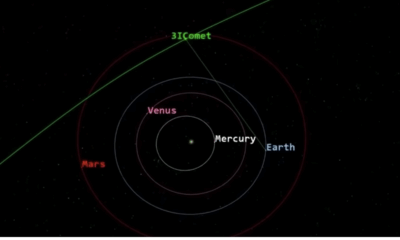
NASA Investigates Speedy Object 3I/ATLAS, Sparking Speculation
-
 Entertainment4 months ago
Emmerdale Faces Tension as Dylan and April’s Lives Hang in the Balance
-
 World3 months ago
Cole Palmer’s Cryptic Message to Kobbie Mainoo Following Loan Talks
-
 Science1 month ago
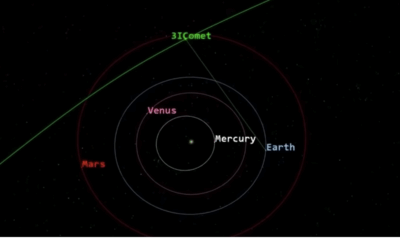
NASA Scientists Explore Origins of 3I/ATLAS, a Fast-Moving Visitor
-

 Entertainment2 months ago
Lewis Cope Addresses Accusations of Dance Training Advantage
-

 Entertainment4 months ago
Major Cast Changes at Coronation Street: Exits and Returns in 2025