
Health
New Drug Library Enhances Understanding of Patient Medications

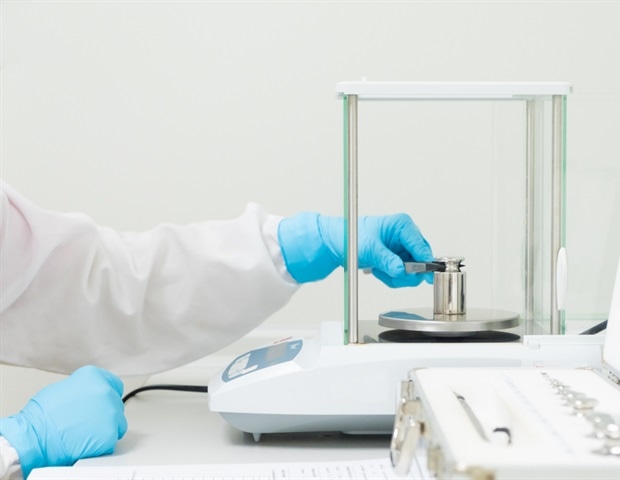
A new online reference library developed by researchers at the University of California San Diego aims to provide a more comprehensive understanding of drug exposure in patients. This innovative resource, detailed in a study published on December 9, 2025, in Nature Communications, offers a collection of chemical “fingerprints” from thousands of medications, their metabolites, and related compounds.
Typically, when physicians and researchers seek to understand a patient’s medication history, they rely on direct inquiries or medical records. However, these methods often yield incomplete information. Patients might forget medications they have taken, use over-the-counter drugs, or inadvertently consume substances through food and environmental exposure. The new library addresses these gaps by comparing unknown compounds found in biological samples such as blood or urine against a vast database of known drugs.
Building the Library
The research team utilized mass spectrometry, a technique that applies electrical charges to drug molecules to sort them by weight. This process generates a unique chemical fingerprint for each drug, allowing for precise identification. Each entry in the library includes details about the drug’s origin—whether it is a prescription or over-the-counter medication—its class, intended use, and mechanism of action within the human body.
To validate the library’s effectiveness, the researchers employed a specific type of mass spectrometry known as untargeted metabolomics. This method analyzes thousands of molecules simultaneously, enabling the identification of drug breakdown products in diverse samples, including urine, breast milk, and environmental water.
Dr. Nina Zhao, co-first author and post-doctoral scientist in the laboratory of Dr. Pieter Dorrestein, emphasized the library’s versatility: “Whatever sample we put into the mass spectrometer, it will be able to detect all of the chemicals in the sample.”
Real-World Applications
The researchers demonstrated the library’s potential by analyzing samples from patients with various conditions. For instance, samples from individuals suffering from inflammatory bowel disease or Kawasaki disease frequently contained antibiotics, consistent with standard treatments for these conditions. Furthermore, skin swabs from patients with psoriasis were rich in antifungal agents, aligning with common antifungal therapies.
The library was also tested on samples from nearly 2,000 participants in the American Gut Project, which examines gut microbial diversity across the United States, Europe, and Australia. This analysis detected 75 distinct drugs, confirming that the library successfully identifies commonly prescribed medications.
Co-first author Kine Eide Kvitne, a post-doctoral researcher in the laboratory of Dr. Shirley Tsunoda, noted, “We expected those drugs to be the most commonly found, and indeed this was what we observed, confirming that this library works as we intended.”
The library’s findings revealed that U.S. participants had a higher number of detectable drugs compared to their European and Australian counterparts. It also highlighted gender differences, with painkillers being more prevalent among females and erectile dysfunction drugs primarily found in males.
Beyond identifying medication use, the library can shed light on co-existing conditions relevant to patient monitoring. For example, samples from Alzheimer’s disease patients indicated the use of both cardiovascular and psychiatric medications, reflecting the common occurrence of these conditions alongside neurodegenerative diseases.
In a clinical study involving individuals with human immunodeficiency virus (HIV), the library not only detected antiviral medications but also identified cardiovascular and psychiatric drugs. This aligns with known health disparities, as individuals living with HIV often experience higher rates of heart disease and depression. Through this analysis, researchers could group participants based on their actual medication usage.
Dr. Zhao also pointed out that certain HIV medications were linked to specific changes in gut-derived molecules, indicating how drug exposure can influence the microbiome. “A lot of different kinds of drugs have a huge impact on the gut microbiome, which is connected to your immune system,” she added.
The research team also conducted tests on over 3,000 food products, uncovering antibiotics in meat and a pesticide in vegetables. They believe the library will aid in identifying hidden environmental drug exposures, such as those found in reclaimed water and snow.
The Global Natural Product Social Molecular Networking (GNPS) Drug Library represents a pioneering effort in linking drug exposure, microbial breakdown products, and patient outcomes. The resource is designed to evolve, with plans to incorporate large language models and generative artificial intelligence for data curation.
Researchers are developing a user-friendly online data analysis application that will allow clinical and public health professionals, even those without pharmacy expertise, to access critical insights about drug influences on health. “Basically, you put in your dataset and with one click you get all the information about which drugs are in it, as well as figures and plots,” Dr. Zhao explained.
This innovative library could significantly enhance precision medicine, enabling healthcare providers to understand why individual patients respond differently to treatments based on their unique metabolic profiles. Dr. Zhao concluded, “By understanding that, maybe we can use this information to optimize drug treatment.”

Goshen Police Officers Honored for Exceptional Service

Judge to Decide Gas Tax Referendum Timing in Oregon Case

Genius Sports Enhances In-Play Football Betting for 2026

Budućnost Voli Faces Kluž in Crucial EuroCup Clash

Good Morning Britain Suspends Broadcast Following Trump’s Warning

Putin Gains Advantage as Oil Prices Surge Amid Middle East Tensions

MoistCr1tikal Critiques His Netflix Cameo in Baki Series

Ben Nicky Returns to Belfast with Groundbreaking Laser Show

Lincolnshire Co-op Boosts Food Banks with $50,000 Funding Initiative

Andrew Pierce Confirms Departure from ITV’s Good Morning Britain

Fiona Phillips’ Husband Shares Heartfelt Update on Her Alzheimer’s Journey

Neurologist Warns Excessive Use of Supplements Can Harm Brain

Gogglebox Star Helena Worthington Announces Break After Loss

Brian Cox Addresses Claims of Alien Probe in 3I/ATLAS Discovery

NASA Investigates Unusual Comet 3I/ATLAS; New Findings Emerge

EastEnders Welcomes Back Mark Fowler Jr. with New Actor

Tess Daly Honoured with MBE, Announces Departure from Strictly

Coronation Street Reveals Audrey Roberts’ Absence Explained
-
 Entertainment3 months ago
Andrew Pierce Confirms Departure from ITV’s Good Morning Britain
-
 Health7 months ago
Fiona Phillips’ Husband Shares Heartfelt Update on Her Alzheimer’s Journey
-
 Health6 months ago
Neurologist Warns Excessive Use of Supplements Can Harm Brain
-
 Entertainment3 months ago
Gogglebox Star Helena Worthington Announces Break After Loss
-
 Science5 months ago
Brian Cox Addresses Claims of Alien Probe in 3I/ATLAS Discovery
-
 Science5 months ago
NASA Investigates Unusual Comet 3I/ATLAS; New Findings Emerge
-
 World2 months ago
EastEnders Welcomes Back Mark Fowler Jr. with New Actor
-
 Entertainment4 months ago
Tess Daly Honoured with MBE, Announces Departure from Strictly
-
 Entertainment2 weeks ago
Coronation Street Reveals Audrey Roberts’ Absence Explained
-

 World4 months ago
Bailey and Rebecca Announce Heartbreaking Split After MAFS Reunion
-

 Entertainment8 months ago
Kerry Katona Discusses Future Baby Plans and Brian McFadden’s Wedding
-

 Health2 months ago
Sue Radford Reveals Weight Loss Journey, Losing Two Stone