
Science
Offshore Wind Test Project Proposal Sparks Debate in Shetland

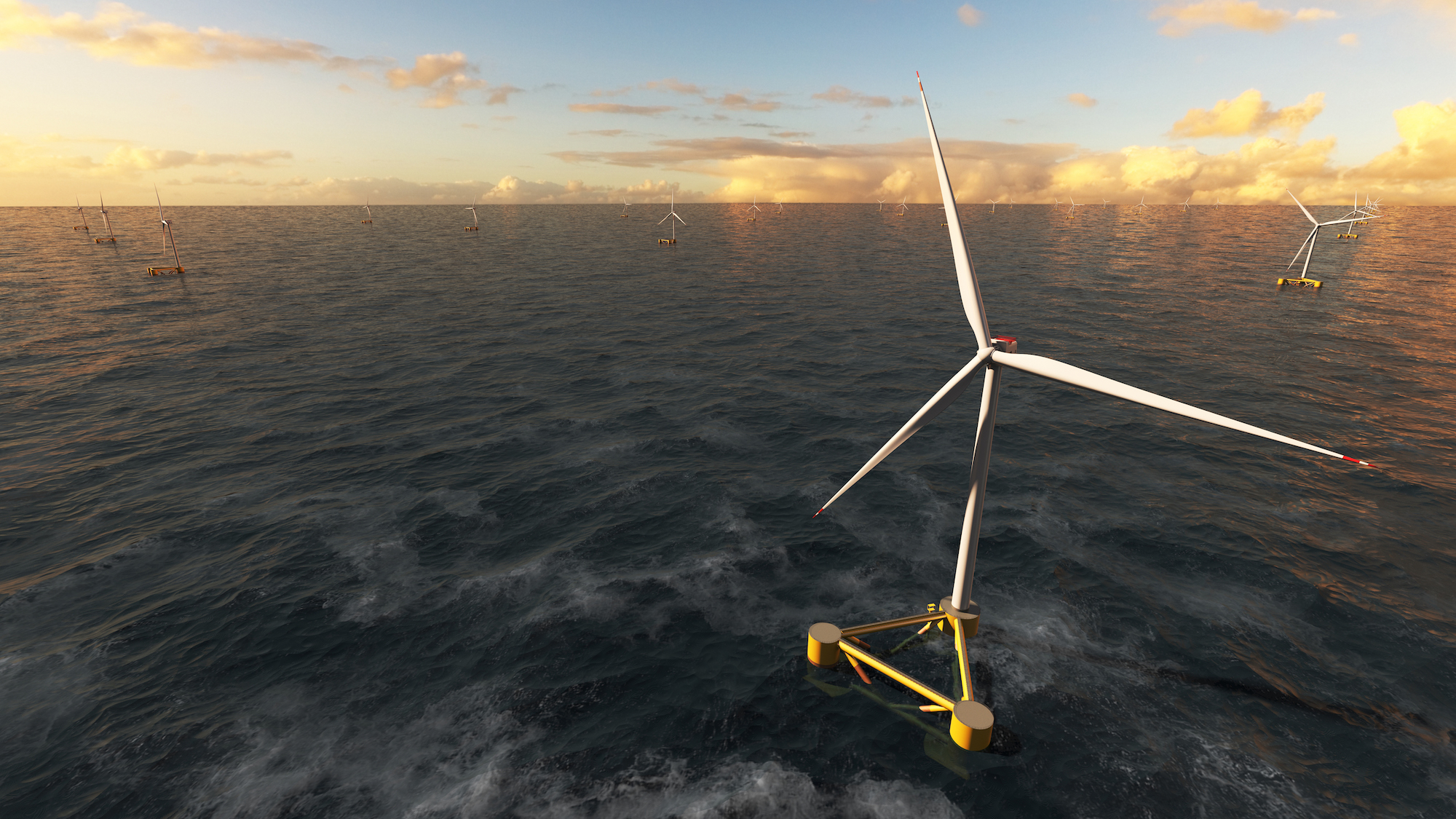
The prospect of a significant offshore wind “test and demonstration” project in Shetland waters has emerged, following a recent consultation by the Scottish Government. The proposal suggests an additional capacity of up to 1 gigawatt (GW) for testing new technologies in offshore wind energy across Scotland, with Shetland being one of five regions considered for this development.
This initiative is part of an updated marine plan for offshore wind energy, which aims to create a framework for the ScotWind leasing scheme and address potential environmental, social, and economic impacts. Currently, two offshore wind farms—Stoura and Arven—with a combined capacity of 2.8 GW are proposed east of Shetland, but they have faced strong opposition from local fishermen. Concerns center around the potential displacement from traditional fishing grounds, which could threaten community livelihoods and food security.
Local reactions to the new T&D proposal have varied. The Scottish Fishermen’s Federation (SFF) has expressed strong opposition, stating that the additional 1 GW would exacerbate existing spatial conflicts in marine areas. The SFF emphasized the need for adequate mitigation measures, arguing that without them, fishing communities could face significant challenges.
In contrast, Shetland Islands Council (SIC) described the proposed division of 1 GW—with a potential allocation of up to 200 megawatts (MW) in the Shetland region—as “disproportionate.” The council questioned the rationale behind placing T&D sites outside areas already designated for offshore wind farms, suggesting that the allocation should align more closely with Shetland’s existing share of offshore capacity.
The updated marine plan, consulted on earlier this year, includes new considerations for T&D projects. It aims to future-proof plans by allowing for smaller-scale testing of emerging technologies, with individual T&D sites expected to be no larger than 100 MW. The Scottish Government acknowledged that demand for seabed access for testing is likely to increase but noted that specifics regarding the timing and location remain uncertain.
In a detailed response, the SFF called for more substantial involvement in the decision-making processes related to T&D site selection. They reiterated the importance of compensation for affected fishermen and called for a moratorium on further offshore wind developments until concerns are addressed.
The economic implications of offshore wind development are significant. A socio-economic assessment within the draft plan estimated a potential £70 million to £100 million gross value added impact on Scottish fisheries over the next fifty years. For Shetland, this could translate to an impact of £24 million to £35 million, possibly leading to job losses in the sector.
The Shetland Fishermen’s Association (SFA) echoed these sentiments, emphasizing that the time for experimentation in the marine environment has passed. They expressed concerns over the environmental impacts, particularly regarding seabird populations and marine mammals, alongside the potential disruption of fishing activities due to new developments.
The consultation received a mixed response, with 211 replies to the question of including T&D projects in the plan. Of these, 97 respondents opposed the inclusion, while 53 supported it. The feedback highlighted widespread concern about the proposed 200 MW allocation for Shetland, with many feeling it was too high given the region’s existing commitments.
Looking ahead, the Scottish Government plans to revise the draft updated plan based on the consultation feedback. If substantial changes are required, further assessments or consultations may be necessary before the final version is presented for approval.
As discussions continue, the potential for offshore wind development in Shetland remains a contentious issue, with local stakeholders seeking to balance innovation in renewable energy with the preservation of traditional fishing practices and community livelihoods.

Police Acknowledge Challenges as Kintyre Councillor Critiques Crime Rates

JPMorgan Secures RBI Approval for New Pune Branch Expansion

Add a Furry Companion: How to Get a Cat in GTA Online

Discovering HeySmile Whitening Strips: A Review of Results and Comfort

Montenegro Imposes €0.05 Fee on Plastic Bags Over 50 Microns

Noa Bravo, storyteller for the slow observers, not the hurried photographers

Offshore Wind Test Project Proposal Sparks Debate in Shetland

Premier League Fans Face Late Kick-Offs as Schedule Shifts

NATO Chief Urges Immediate Action Against Russian Aggression

Neurologist Warns Excessive Use of Supplements Can Harm Brain

Fiona Phillips’ Husband Shares Heartfelt Update on Her Alzheimer’s Journey

Brian Cox Addresses Claims of Alien Probe in 3I/ATLAS Discovery

NASA Investigates Unusual Comet 3I/ATLAS; New Findings Emerge

Scientists Examine 3I/ATLAS: Alien Artifact or Cosmic Oddity?

Lewis Cope Addresses Accusations of Dance Training Advantage

Kerry Katona Discusses Future Baby Plans and Brian McFadden’s Wedding

NASA Investigates Speedy Object 3I/ATLAS, Sparking Speculation

Emmerdale Faces Tension as Dylan and April’s Lives Hang in the Balance
-
 Health3 months ago
Neurologist Warns Excessive Use of Supplements Can Harm Brain
-
 Health4 months ago
Fiona Phillips’ Husband Shares Heartfelt Update on Her Alzheimer’s Journey
-
 Science2 months ago
Brian Cox Addresses Claims of Alien Probe in 3I/ATLAS Discovery
-
 Science2 months ago
NASA Investigates Unusual Comet 3I/ATLAS; New Findings Emerge
-
 Science2 months ago
Scientists Examine 3I/ATLAS: Alien Artifact or Cosmic Oddity?
-
 Entertainment2 months ago
Lewis Cope Addresses Accusations of Dance Training Advantage
-
 Entertainment5 months ago
Kerry Katona Discusses Future Baby Plans and Brian McFadden’s Wedding
-
 Science2 months ago
NASA Investigates Speedy Object 3I/ATLAS, Sparking Speculation
-
 Entertainment4 months ago
Emmerdale Faces Tension as Dylan and April’s Lives Hang in the Balance
-

 World3 months ago
Cole Palmer’s Cryptic Message to Kobbie Mainoo Following Loan Talks
-

 World4 weeks ago
Bailey and Rebecca Announce Heartbreaking Split After MAFS Reunion
-
 Science2 months ago
NASA Scientists Explore Origins of 3I/ATLAS, a Fast-Moving Visitor