
Science
Scientist Decodes Dead Sea Scrolls’ ‘Cryptic B’ Manuscript

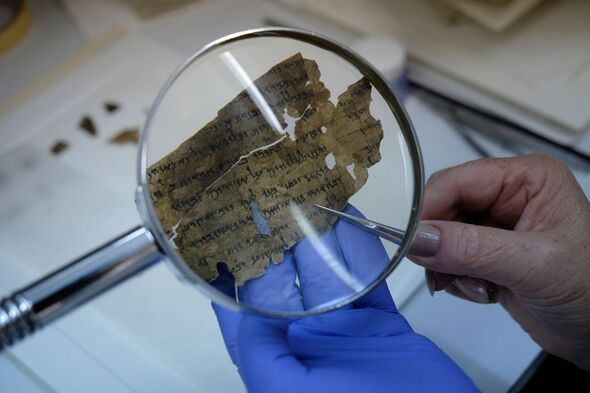
A significant breakthrough in biblical scholarship has emerged as a scientist claims to have deciphered the writing system of the elusive ‘Cryptic B’ manuscript from the Dead Sea Scrolls. This development follows over 70 years of scholarly efforts to understand the fragments discovered in caves near the West Bank between 1947 and 1956. The Dead Sea Scrolls, among the oldest surviving biblical manuscripts, were written in Hebrew, Aramaic, and occasionally Greek, and their historical significance has long captivated researchers.
The ‘Cryptic B’ manuscript is characterized by heavily damaged fragments that contain scripture in an unfamiliar alphabet. While the ‘Cryptic A’ scroll was successfully deciphered in 1955, the complexities of Cryptic B had led many to conclude that it was indecipherable. However, researcher Emmanuel Oliveiro from the University of Groningen has made remarkable progress by correlating each symbol with corresponding letters. His findings suggest that the text relates to well-known biblical themes, particularly those concerning the end of days, divine judgment, and the arrival of a Messiah.
Among the fragments, significant references include names and phrases such as Judah, Jacob, and Elohim—meaning “God”—along with the word Yisrael, which translates to “Israel.” One fragment notably mentions “the tents of Jacob,” echoing biblical texts found in Jeremiah 30:18 and Malachi 2:12. Although these fragments do not directly quote these passages, they resonate with familiar biblical themes. Another fragment makes a reference to “Elohim” alongside “your glory,” further emphasizing the spiritual dimension of the writings.
The manuscripts, cataloged as 4Q362 and 4Q363, are in a fragile state, with some fragments measuring only a few millimeters. The leather from which they are made shows signs of deterioration, including cracks and fraying. This degradation, coupled with the distorted shapes of the letters, had rendered Cryptic B a mystery for decades.
Analysis of the text reveals notable variations between the manuscripts. The use of an unfamiliar alphabet raises questions about their intended audience, suggesting that they may have been crafted for a select group, possibly priestly elites. This exclusivity could have enhanced the sacred status of the text within the Qumran community, a Jewish sect known for its dedication to preserving religious texts over 2,000 years ago.
Oliveiro’s work not only contributes to the understanding of the Dead Sea Scrolls but also opens new avenues for exploring the religious narratives and historical contexts of ancient Jewish texts. As scholars continue to analyze these findings, the implications for biblical scholarship and the understanding of early religious thought remain profound, potentially reshaping perceptions of these ancient writings.

Young Golfer Emanuele Galeppini Dies in Swiss Nightclub Fire

London Congestion Charge to Rise and New Driving Laws Take Effect

London Congestion Charge Rises as Six New Driving Laws Take Effect

Vigil Held for Victims of Crans Montana Ski Resort Fire

Charity Chief Urges Action on Workplace Burnout as Crisis Looms

Royal Mint Unveils 2026 Coins Celebrating Historic Anniversaries

ADC Youth Wing Demands Action on Tax Laws, Threatens Protests

Nature’s Resurgence: How Mousley Bottom Transformed Over Decades

Discover the 10 Most Affordable Streets to Buy a Home in North Wales

Andrew Pierce Confirms Departure from ITV’s Good Morning Britain

Neurologist Warns Excessive Use of Supplements Can Harm Brain

Fiona Phillips’ Husband Shares Heartfelt Update on Her Alzheimer’s Journey

Brian Cox Addresses Claims of Alien Probe in 3I/ATLAS Discovery

Gogglebox Star Helena Worthington Announces Break After Loss

NASA Investigates Unusual Comet 3I/ATLAS; New Findings Emerge

Tess Daly Honoured with MBE, Announces Departure from Strictly

Scientists Examine 3I/ATLAS: Alien Artifact or Cosmic Oddity?

Lewis Cope Addresses Accusations of Dance Training Advantage
-
 Entertainment3 weeks ago
Andrew Pierce Confirms Departure from ITV’s Good Morning Britain
-
 Health4 months ago
Neurologist Warns Excessive Use of Supplements Can Harm Brain
-
 Health4 months ago
Fiona Phillips’ Husband Shares Heartfelt Update on Her Alzheimer’s Journey
-
 Science2 months ago
Brian Cox Addresses Claims of Alien Probe in 3I/ATLAS Discovery
-
 Entertainment2 weeks ago
Gogglebox Star Helena Worthington Announces Break After Loss
-
 Science2 months ago
NASA Investigates Unusual Comet 3I/ATLAS; New Findings Emerge
-
 Entertainment2 months ago
Tess Daly Honoured with MBE, Announces Departure from Strictly
-
 Science2 months ago
Scientists Examine 3I/ATLAS: Alien Artifact or Cosmic Oddity?
-
 Entertainment3 months ago
Lewis Cope Addresses Accusations of Dance Training Advantage
-

 Entertainment6 months ago
Kerry Katona Discusses Future Baby Plans and Brian McFadden’s Wedding
-

 Entertainment5 months ago
Emmerdale Faces Tension as Dylan and April’s Lives Hang in the Balance
-
 Science2 months ago
NASA Investigates Speedy Object 3I/ATLAS, Sparking Speculation