
Top Stories
London Congestion Charge to Rise and New Driving Laws Take Effect

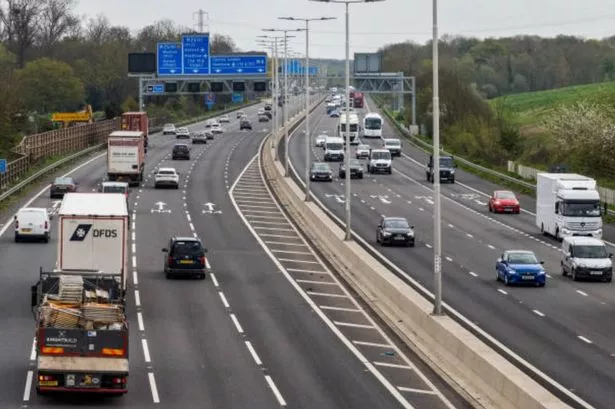
Starting from January 2, 2026, the London Congestion Charge will increase from £15 to £18. This adjustment is part of a broader set of six new driving laws and rules that will take effect this month, significantly impacting road users in London and beyond. The first change begins today, marking a notable shift in the capital’s approach to managing traffic congestion.
The increase in the Congestion Charge is the first since June 2020, when the fee rose from £11.50. According to Transport for London (TfL), the changes aim to discourage thousands of drivers from using London’s roads during weekdays. Additionally, electric vehicles (EVs) will lose their exemption from the charge; for the first time, EV drivers will be required to pay. However, those who register for the Auto Pay system can apply for a 25% discount. Electric vans, heavy goods vehicles (HGVs), and quadricycles registered under the same system will receive a 50% discount.
Christina Calderato, TfL’s Director of Strategy, emphasized the importance of managing traffic to maintain a thriving city. She stated, “If we want to ensure that London remains a thriving city for everyone to enjoy, then it’s vital that traffic and congestion is kept under control and managed effectively.”
In addition to the Congestion Charge changes, Sadiq Khan, the Mayor of London, is considering plans to pedestrianize the busy Oxford Street shopping district. This initiative follows a consultation conducted by TfL, aimed at creating safer and more accessible public spaces for shopping and dining.
Digital driving licences are also on the horizon. Announced by Peter Kyle, the Labour Party’s Science Secretary, a mobile driver’s licence will be introduced as part of the GOV.UK Wallet later this year. This digital document will allow individuals to verify their age in stores and online.
A new initiative called Fuel Finder is set to launch early next year, providing drivers access to near-real-time fuel pricing data through apps and navigation systems. The government has tasked the Competition and Markets Authority (CMA) with ensuring compliance with these new regulations.
The UK government is also pushing towards electric motoring with the ongoing implementation of a Zero Emission Vehicle (ZEV) mandate. By the end of 2026, manufacturers must ensure that 33% of car sales and 24% of van sales are electric, reinforcing the transition to cleaner vehicles.
Alongside these changes, the revised price cap for electricity will come into effect on January 1, with a new cap of £1,758 remaining in place until the end of March. This adjustment signifies a 0.2% rise in electricity prices, affecting households and the growing number of drivers who charge their electric vehicles at home.
These developments represent significant changes in traffic management and transportation policy in London, aiming to mitigate congestion, promote cleaner vehicles, and support the transition to a more sustainable future.

New Chickenpox Vaccine Launches Alongside MMR Immunization

Montenegro Accelerates EU Integration Amid Domestic Challenges

Test Your Knowledge of 2025’s Pop Culture Phenomena with Our Quiz

Montenegro Accelerates EU Path Amid Internal Challenges

Young Golfer Emanuele Galeppini Dies in Swiss Nightclub Fire

London Congestion Charge to Rise and New Driving Laws Take Effect

London Congestion Charge Rises as Six New Driving Laws Take Effect

Vigil Held for Victims of Crans Montana Ski Resort Fire

Charity Chief Urges Action on Workplace Burnout as Crisis Looms

Andrew Pierce Confirms Departure from ITV’s Good Morning Britain

Neurologist Warns Excessive Use of Supplements Can Harm Brain

Fiona Phillips’ Husband Shares Heartfelt Update on Her Alzheimer’s Journey

Brian Cox Addresses Claims of Alien Probe in 3I/ATLAS Discovery

Gogglebox Star Helena Worthington Announces Break After Loss

NASA Investigates Unusual Comet 3I/ATLAS; New Findings Emerge

Tess Daly Honoured with MBE, Announces Departure from Strictly

Scientists Examine 3I/ATLAS: Alien Artifact or Cosmic Oddity?

Lewis Cope Addresses Accusations of Dance Training Advantage
-
 Entertainment3 weeks ago
Andrew Pierce Confirms Departure from ITV’s Good Morning Britain
-
 Health4 months ago
Neurologist Warns Excessive Use of Supplements Can Harm Brain
-
 Health4 months ago
Fiona Phillips’ Husband Shares Heartfelt Update on Her Alzheimer’s Journey
-
 Science2 months ago
Brian Cox Addresses Claims of Alien Probe in 3I/ATLAS Discovery
-
 Entertainment2 weeks ago
Gogglebox Star Helena Worthington Announces Break After Loss
-
 Science2 months ago
NASA Investigates Unusual Comet 3I/ATLAS; New Findings Emerge
-
 Entertainment2 months ago
Tess Daly Honoured with MBE, Announces Departure from Strictly
-
 Science2 months ago
Scientists Examine 3I/ATLAS: Alien Artifact or Cosmic Oddity?
-
 Entertainment3 months ago
Lewis Cope Addresses Accusations of Dance Training Advantage
-

 Entertainment6 months ago
Kerry Katona Discusses Future Baby Plans and Brian McFadden’s Wedding
-

 Entertainment5 months ago
Emmerdale Faces Tension as Dylan and April’s Lives Hang in the Balance
-

 Science2 months ago
NASA Investigates Speedy Object 3I/ATLAS, Sparking Speculation