
Top Stories
Nature’s Resurgence: How Mousley Bottom Transformed Over Decades

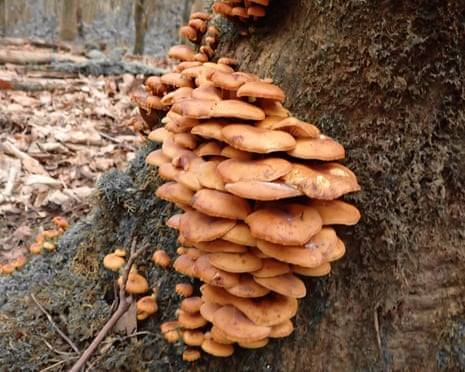
The transformation of Mousley Bottom in New Mills, England, highlights nature’s remarkable ability to recover from environmental degradation. Once a heavily polluted area, the site has evolved into a thriving park and vital habitat, thanks to the vision and efforts of dedicated individuals and community initiatives.
Standing in the woods by the River Goyt, one can hear the unmistakable calls of ravens soaring overhead. The area, blending elements of both town and countryside, now boasts a vibrant ecosystem. In the distance, the Albion Road bridge connects to the bustling New Mills town centre, while redwings feast on holly berries among the trees lining the hillside. The first hints of wren songs punctuate the air, a stark contrast to the pollution that plagued the area just a few decades ago.
In the 1980s, Mousley Bottom was an environmental disaster. The presence of a sewage works and a municipal dump created a toxic atmosphere, while a gasworks released harmful substances into the environment. The River Goyt, once used as a dumping ground for waste, was nearly devoid of life. This location seemed beyond hope, a stark reminder of the consequences of industrial neglect.
The turning point came with the commitment of the late Sir Martin Doughty, a long-serving member of the New Mills Council. His vision for revitalizing the area initiated a series of transformative projects. Over the years, approximately 22,000 trees were planted, including 500 oaks nurtured by local schoolchildren. This grassroots effort was bolstered by the hard work of a dedicated council ranger team, which, despite budget cuts reducing their availability from 300 days a year to just five, managed to create diverse habitats that turned saplings into thriving woodland.
Today, Mousley Bottom serves as a stunning riverside park and a popular tourist destination. Its success illustrates that no brownfield site is beyond redemption. The transformation is not solely due to human intervention but also the unseen collaboration of microorganisms that play a critical role in maintaining the ecosystem. Organisms such as archaebacteria, actinomycetes, nematodes, annelids, and rotifers contribute to a healthy environment that supports visible life forms, including plants, insects, birds, and mammals.
The story of Mousley Bottom underscores the importance of community action and environmental stewardship. By combining human effort with the natural resilience of ecosystems, we can restore even the most damaged landscapes. As we stand in this revitalized area, it becomes clear that the success is not just a testament to human determination but also to the intricate web of life that thrives beneath our feet.
Under the title Changing Skies: The Best of the Guardian’s Country Diary, 2018-2024, readers can explore more stories highlighting nature’s resilience and the efforts of individuals like Sir Martin Doughty, who have made a significant impact on our environment. The book is available through guardianbookshop.com, where a 15% discount is currently offered.

New Chickenpox Vaccine Launches Alongside MMR Immunization

Montenegro Accelerates EU Integration Amid Domestic Challenges

Test Your Knowledge of 2025’s Pop Culture Phenomena with Our Quiz

Montenegro Accelerates EU Path Amid Internal Challenges

Young Golfer Emanuele Galeppini Dies in Swiss Nightclub Fire

London Congestion Charge to Rise and New Driving Laws Take Effect

London Congestion Charge Rises as Six New Driving Laws Take Effect

Vigil Held for Victims of Crans Montana Ski Resort Fire

Charity Chief Urges Action on Workplace Burnout as Crisis Looms

Andrew Pierce Confirms Departure from ITV’s Good Morning Britain

Neurologist Warns Excessive Use of Supplements Can Harm Brain

Fiona Phillips’ Husband Shares Heartfelt Update on Her Alzheimer’s Journey

Brian Cox Addresses Claims of Alien Probe in 3I/ATLAS Discovery

Gogglebox Star Helena Worthington Announces Break After Loss

NASA Investigates Unusual Comet 3I/ATLAS; New Findings Emerge

Tess Daly Honoured with MBE, Announces Departure from Strictly

Scientists Examine 3I/ATLAS: Alien Artifact or Cosmic Oddity?

Lewis Cope Addresses Accusations of Dance Training Advantage
-
 Entertainment3 weeks ago
Andrew Pierce Confirms Departure from ITV’s Good Morning Britain
-
 Health4 months ago
Neurologist Warns Excessive Use of Supplements Can Harm Brain
-
 Health4 months ago
Fiona Phillips’ Husband Shares Heartfelt Update on Her Alzheimer’s Journey
-
 Science2 months ago
Brian Cox Addresses Claims of Alien Probe in 3I/ATLAS Discovery
-
 Entertainment2 weeks ago
Gogglebox Star Helena Worthington Announces Break After Loss
-
 Science2 months ago
NASA Investigates Unusual Comet 3I/ATLAS; New Findings Emerge
-
 Entertainment2 months ago
Tess Daly Honoured with MBE, Announces Departure from Strictly
-
 Science2 months ago
Scientists Examine 3I/ATLAS: Alien Artifact or Cosmic Oddity?
-
 Entertainment3 months ago
Lewis Cope Addresses Accusations of Dance Training Advantage
-

 Entertainment6 months ago
Kerry Katona Discusses Future Baby Plans and Brian McFadden’s Wedding
-
 Entertainment5 months ago
Emmerdale Faces Tension as Dylan and April’s Lives Hang in the Balance
-
 Science2 months ago
NASA Investigates Speedy Object 3I/ATLAS, Sparking Speculation