
Business
California Faces Energy Affordability Crisis Amid Renewables Push

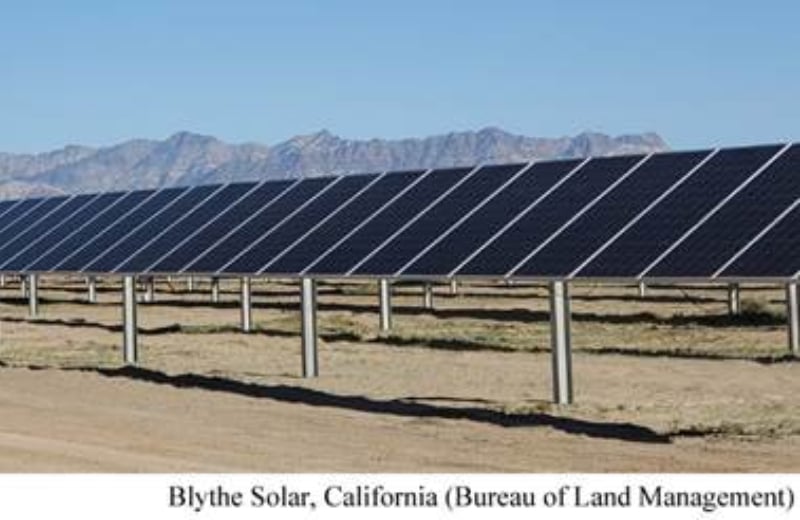
California is grappling with a significant energy affordability crisis, despite Governor Gavin Newsom‘s recent claims of progress in renewable energy at the COP30 United Nations Climate Conference in Brazil. While Newsom highlighted that the state sources “two-thirds” of its energy from renewable sources, he faced scrutiny over the accuracy of this statement and its implications for residents facing high energy costs.
A closer examination reveals that, according to the US Department of Energy (DOE), California generated approximately 57% of its electricity from renewable sources and 7% from nuclear power in 2024. However, this figure only accounts for electricity, which represents about 15% of the state’s total energy consumption. The reality is that over 80% of California’s energy still derives from hydrocarbon fuels, with 58% sourced from petroleum and 25% from natural gas as of 2023.
Governor Newsom’s administration has prioritized a transition to renewable electricity for over two decades. The state has closed eleven coal-fired plants and converted three others to biomass fuel, while also shutting down the San Onofre nuclear station in 2013. Concurrently, California has made strides in solar capacity, installing 22 gigawatts of utility-scale solar and 18 gigawatts of rooftop solar, leading the nation in these areas.
Despite these efforts, California’s transition is marked by rising costs. From 2008 to 2024, electricity prices soared by 116%, far exceeding the national average increase of 33%. California’s residential electricity prices now average 32 cents per kilowatt-hour, the second highest in the country, trailing only Hawaii. This sharp increase has led to exorbitant costs for residents, with air-conditioning expenses for a medium-sized home reaching up to $1,000 per month.
In his address at COP30, Newsom also touted the state’s ambitious zero emissions vehicle (ZEV) mandate, which aims for all in-state auto sales to be ZEVs by 2035. While intended to reduce reliance on gasoline, the average cost of a new electric vehicle (EV) in the United States was approximately $59,000 as of April 2025, significantly higher than the average price of $48,700 for a new gasoline vehicle. This pricing disparity persists even after the federal EV tax credit of up to $7,500 was eliminated in September 2023.
California is also a frontrunner in hydrogen vehicle technology, with around 12,000 hydrogen cars on the road. However, the cost of hydrogen fuel is substantial, priced at least $14 per equivalent gasoline gallon. The California Energy Commission has invested over $200 million in hydrogen fueling stations, but the total number has dwindled from around 65 to 55 stations, coinciding with a decline in hydrogen vehicle numbers.
The Advanced Clean Fleets Regulation (ACF), which took effect in 2024, mandates that all trucks operating in California must be zero emissions. However, electric trucks are priced 2-3 times higher than their diesel counterparts and offer limited travel range, creating further strain on affordability. The ACF has faced challenges, especially after Congress and the previous administration revoked California’s ZEV and ACF waivers in May 2023.
California’s fuel prices are also among the highest in the nation, with regular gasoline costing approximately $4.67 per gallon, over 50% higher than the national average of $3.07. The closure of refineries has exacerbated this issue, with California’s operational refineries dropping from more than 40 in the 1980s to just 13 today. The impending closure of two additional refineries could drive gasoline prices up to $8 per gallon.
The failures of renewable energy systems further complicate California’s energy landscape. The Ivanpah Solar Power Facility, once the world’s largest solar installation, is set to close after just twelve years of operation due to underperformance and reliance on natural gas. Additionally, recent incidents involving grid battery storage systems have raised safety concerns. In May 2024, the Gateway Energy Storage facility caught fire and burned for seventeen days, with subsequent fires at other battery facilities leading to evacuations and service disruptions.
New regulations aimed at promoting renewable energy, such as the 2020 California Solar Mandate, require new homes to incorporate solar panels and wiring for electric appliances. While these measures aim to support green energy initiatives, they have contributed to rising housing costs, posing challenges for low-income residents.
Although the current Democratic narrative emphasizes affordability, California’s experience serves as a cautionary tale about the challenges of implementing renewable energy policies without considering economic impacts. As the state continues to navigate its energy affordability crisis, residents are left facing rising costs and uncertainty about the future of their energy landscape.

Deep Sea Mining Threatens Biodiversity, Report Reveals Alarming Losses

England Faces Tough Challenge in World Cup Group Draw

Heavy Rain Threatens Flooding Along River Severn in Gloucestershire

Buducnost Voli Falls Short Against Burg in Eurocup Match

Co Armagh Man Charged with Indecent Exposure Banned from Park

Experts Propose Comprehensive Wastewater Treatment Solution for Podgorica

Tom Homan Confronts Critics at UTEP Immigration Event

Programmable CRISPR Platform Accelerates Stem Cell Research Timelines

Experts Call for Advanced Wastewater Treatment in Podgorica

Neurologist Warns Excessive Use of Supplements Can Harm Brain

Fiona Phillips’ Husband Shares Heartfelt Update on Her Alzheimer’s Journey

Brian Cox Addresses Claims of Alien Probe in 3I/ATLAS Discovery

NASA Investigates Unusual Comet 3I/ATLAS; New Findings Emerge

Scientists Examine 3I/ATLAS: Alien Artifact or Cosmic Oddity?

Kerry Katona Discusses Future Baby Plans and Brian McFadden’s Wedding

NASA Investigates Speedy Object 3I/ATLAS, Sparking Speculation

Emmerdale Faces Tension as Dylan and April’s Lives Hang in the Balance

Cole Palmer’s Cryptic Message to Kobbie Mainoo Following Loan Talks
-
 Health3 months ago
Neurologist Warns Excessive Use of Supplements Can Harm Brain
-
 Health3 months ago
Fiona Phillips’ Husband Shares Heartfelt Update on Her Alzheimer’s Journey
-
 Science2 months ago
Brian Cox Addresses Claims of Alien Probe in 3I/ATLAS Discovery
-
 Science2 months ago
NASA Investigates Unusual Comet 3I/ATLAS; New Findings Emerge
-
 Science1 month ago
Scientists Examine 3I/ATLAS: Alien Artifact or Cosmic Oddity?
-
 Entertainment5 months ago
Kerry Katona Discusses Future Baby Plans and Brian McFadden’s Wedding
-
 Science1 month ago
NASA Investigates Speedy Object 3I/ATLAS, Sparking Speculation
-
 Entertainment4 months ago
Emmerdale Faces Tension as Dylan and April’s Lives Hang in the Balance
-
 World3 months ago
Cole Palmer’s Cryptic Message to Kobbie Mainoo Following Loan Talks
-
 Science1 month ago
NASA Scientists Explore Origins of 3I/ATLAS, a Fast-Moving Visitor
-

 Entertainment2 months ago
Lewis Cope Addresses Accusations of Dance Training Advantage
-

 Entertainment3 months ago
Major Cast Changes at Coronation Street: Exits and Returns in 2025