
Science
FDA Moves to Reduce Primate Testing in Drug Development

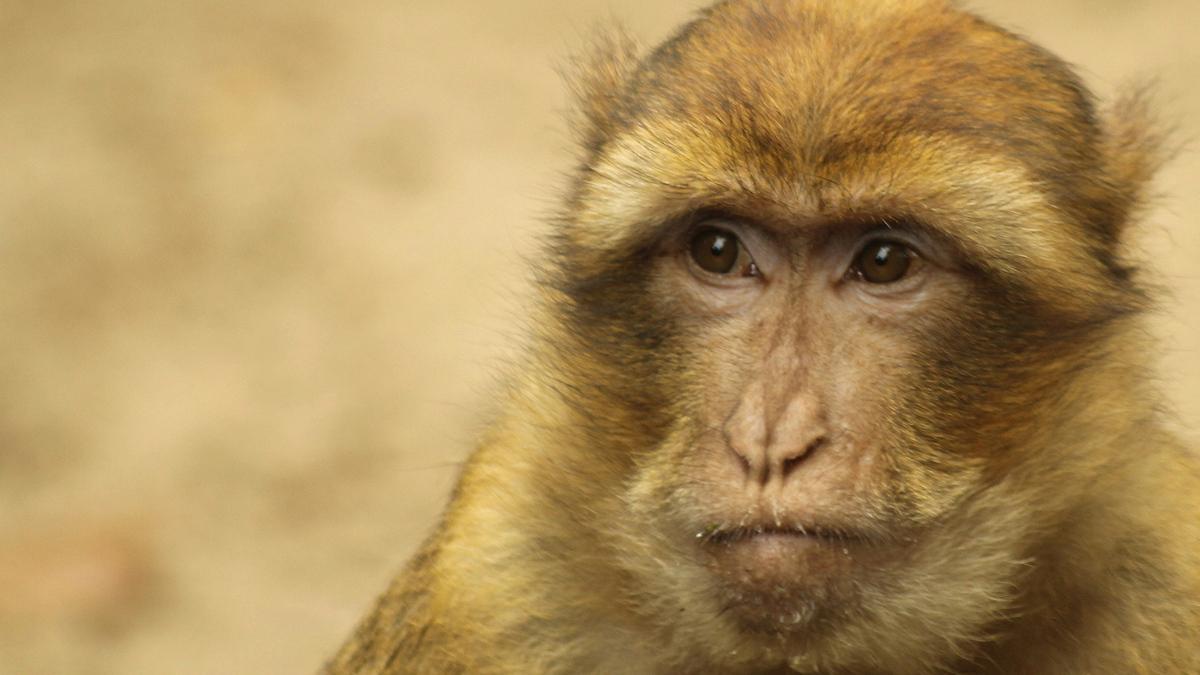
The U.S. Food and Drug Administration (FDA) has introduced new guidance aimed at significantly reducing or eliminating toxicity studies involving non-human primates (NHPs) in the development of monoclonal antibody-based drugs. This initiative is part of the FDA’s broader strategy to minimize animal testing in the pharmaceutical industry and promote more humane research practices.
The recently released draft guidance removes the longstanding requirement for single-target or ‘monospecific’ antibodies to undergo six-month toxicity testing in NHPs such as cynomolgus macaques, rhesus monkeys, and marmosets. Instead, developers of monoclonal antibodies can now rely on three-month studies conducted on nonrodent species, including NHPs, dogs, and mini-pigs. These findings can be supplemented with a weight-of-evidence (WoE) risk assessment based on data from similar antibodies.
Importance of the New Guidance
The eight-page document clarifies that monoclonal antibodies do not undergo ‘biotransformation’ in the liver like small-molecule drugs, which means they are less likely to produce harmful metabolites. Notably, this updated guidance does not apply to multispecific antibodies, antibody-drug conjugates, or drugs derived from antibody fragments.
Earlier in 2023, the FDA announced its commitment to exploring alternatives to animal testing for various types of medicines, particularly monoclonal antibodies. Among these alternatives are advanced technologies such as artificial intelligence (AI), computational methods that can predict drug safety in silico, human cell lines, and organoids—lab models that mimic human organs created from human cells and tissues. This shift aligns with similar efforts announced by regulatory bodies in the European Union and the United Kingdom to reduce reliance on animal testing.
Potential Impact on Drug Development Costs
FDA Commissioner Marty Makary emphasized the significance of this reform, stating, “We are delivering on our roadmap commitment to eliminate animal testing requirements in drug evaluation and our promise to accelerate cures and meaningful treatments for Americans.” He noted that modern scientific advancements provide more effective and humane ways to assess drug safety compared to traditional animal testing.
The FDA estimates that the typical nonclinical program for a monoclonal antibody could involve over 100 NHPs, resulting in costs of around $50,000 per animal. Despite these expenditures, many drug candidates that pass toxicity testing in animals fail to secure FDA approval due to safety or efficacy concerns in human trials.
Richard Pazdur, who leads the FDA’s Center for Drug Evaluation and Research, underscored the importance of a knowledge-based risk assessment of toxicity, stating that it “reflects both scientific progress and our responsibility to use the most effective tools for drug evaluation.” As the FDA seeks to streamline the drug development process, these changes may lead to shorter timelines for bringing new drugs to market and lower research and development costs, potentially contributing to more affordable drug prices for consumers.
This new guidance represents a significant step in the FDA’s ongoing efforts to modernize the drug evaluation process while addressing ethical concerns surrounding animal testing.

Deep Sea Mining Threatens Biodiversity, Report Reveals Alarming Losses

England Faces Tough Challenge in World Cup Group Draw

Heavy Rain Threatens Flooding Along River Severn in Gloucestershire

Buducnost Voli Falls Short Against Burg in Eurocup Match

Co Armagh Man Charged with Indecent Exposure Banned from Park

Experts Propose Comprehensive Wastewater Treatment Solution for Podgorica

Tom Homan Confronts Critics at UTEP Immigration Event

Programmable CRISPR Platform Accelerates Stem Cell Research Timelines

Experts Call for Advanced Wastewater Treatment in Podgorica

Neurologist Warns Excessive Use of Supplements Can Harm Brain

Fiona Phillips’ Husband Shares Heartfelt Update on Her Alzheimer’s Journey

Brian Cox Addresses Claims of Alien Probe in 3I/ATLAS Discovery

NASA Investigates Unusual Comet 3I/ATLAS; New Findings Emerge

Scientists Examine 3I/ATLAS: Alien Artifact or Cosmic Oddity?

Kerry Katona Discusses Future Baby Plans and Brian McFadden’s Wedding

NASA Investigates Speedy Object 3I/ATLAS, Sparking Speculation

Emmerdale Faces Tension as Dylan and April’s Lives Hang in the Balance

Cole Palmer’s Cryptic Message to Kobbie Mainoo Following Loan Talks
-
 Health3 months ago
Neurologist Warns Excessive Use of Supplements Can Harm Brain
-
 Health3 months ago
Fiona Phillips’ Husband Shares Heartfelt Update on Her Alzheimer’s Journey
-
 Science2 months ago
Brian Cox Addresses Claims of Alien Probe in 3I/ATLAS Discovery
-
 Science2 months ago
NASA Investigates Unusual Comet 3I/ATLAS; New Findings Emerge
-
 Science1 month ago
Scientists Examine 3I/ATLAS: Alien Artifact or Cosmic Oddity?
-
 Entertainment5 months ago
Kerry Katona Discusses Future Baby Plans and Brian McFadden’s Wedding
-
 Science1 month ago
NASA Investigates Speedy Object 3I/ATLAS, Sparking Speculation
-
 Entertainment4 months ago
Emmerdale Faces Tension as Dylan and April’s Lives Hang in the Balance
-
 World3 months ago
Cole Palmer’s Cryptic Message to Kobbie Mainoo Following Loan Talks
-

 Science1 month ago
NASA Scientists Explore Origins of 3I/ATLAS, a Fast-Moving Visitor
-

 Entertainment2 months ago
Lewis Cope Addresses Accusations of Dance Training Advantage
-

 Entertainment3 months ago
Major Cast Changes at Coronation Street: Exits and Returns in 2025