
Top Stories
Holiday Heart Risks Surge Amid Festive Celebrations


With the festive season upon us, many individuals may find themselves at risk of a condition known as holiday heart syndrome. This phenomenon, characterized by an irregular heartbeat, often arises after episodes of excessive drinking during gatherings such as workplace Christmas parties and family celebrations. Symptoms can include rapid or erratic heartbeats, feelings of dizziness, and shortness of breath, which may prompt individuals to visit emergency departments for evaluation.
The term “holiday heart” refers specifically to cases of alcohol-induced atrial arrhythmia, a condition that has been recognized for nearly 50 years. Initially documented in the 1970s, doctors noted a rise in abnormal heart rhythms among healthy individuals who consumed large quantities of alcohol during weekends and public holidays. The correlation remains significant during the festive season, with emergency departments often experiencing an influx of patients presenting with heart rhythm disturbances linked to binge drinking, overeating, dehydration, and heightened stress levels.
Understanding Holiday Heart Syndrome
Alcohol can have a profound impact on various bodily systems, including the heart and nervous system. When consumed in excess, alcohol disrupts the nervous system, leading to dehydration and inflammation. Such changes can interfere with the heart’s electrical system, resulting in irregular heart rhythms. Patients may report symptoms ranging from heart flutters and chest pain to fainting or shortness of breath. Yet, it is important to note that some individuals may experience irregular heartbeats without any noticeable symptoms, potentially only revealing the issue during examinations for other health concerns.
For those experiencing symptoms, visiting an emergency department or general practitioner is advised. Health professionals typically conduct a series of tests to diagnose any heart-related rhythm issues. Among these, an electrocardiogram (ECG) is commonly employed. This straightforward and non-invasive test involves placing electrodes on the chest, arms, and legs to capture the heart’s electrical activity. Clinicians often focus on the “P wave,” which signifies the activation of the heart’s upper chambers. Additionally, blood tests may be performed to assess electrolyte levels, clotting markers, and the functioning of the kidneys and liver.
Most individuals diagnosed with holiday heart syndrome will recover, particularly if the condition is identified and managed early or if they reduce or cease alcohol consumption. However, in some cases, patients may be diagnosed with atrial fibrillation, a prevalent heart rhythm disorder affecting approximately 1.4% to 5.5% of the adult population in Australia. This condition may necessitate treatments such as medications aimed at restoring a regular heartbeat, electrical cardioversion using a defibrillator, or a procedure known as cardiac ablation. If left untreated, atrial fibrillation can lead to increased risks of blood clots, strokes, and heart attacks.
Prevention Strategies for a Healthy Holiday Season
There is no universally defined number of alcoholic drinks that trigger holiday heart syndrome, prompting health experts to advocate for moderation. Australian health guidelines suggest that both men and women limit their alcohol intake to a maximum of 10 standard drinks per week and no more than 4 standard drinks on any single day. Incorporating water between alcoholic beverages can help mitigate dehydration and reduce the risk of alcohol-related heart rhythm complications.
In addition to mindful drinking, individuals are encouraged to manage stress, maintain an active lifestyle, and adhere to a heart-healthy diet. These foundational practices contribute not only to reducing the risk of holiday heart syndrome but also to overall cardiovascular health during the festive season and beyond.
As celebrations commence, it is crucial for individuals to remain aware of their alcohol consumption and its potential effects on heart health. Taking proactive measures can enhance enjoyment during the holidays while safeguarding against the risks associated with excessive drinking.

Co Armagh Man Charged with Indecent Exposure Banned from Park

Experts Propose Comprehensive Wastewater Treatment Solution for Podgorica

Tom Homan Confronts Critics at UTEP Immigration Event

Programmable CRISPR Platform Accelerates Stem Cell Research Timelines

Experts Call for Advanced Wastewater Treatment in Podgorica

Kevin Sinfield Exceeds Fundraising Goal Ahead of Final Marathons

Urgent Health Warning: Rotavirus Cases Surge by 50% Globally

AI’s Impact on Education Sparks Debate Over Future Skills

Local Governments Face Deadline to Address Stray Livestock Crisis

Neurologist Warns Excessive Use of Supplements Can Harm Brain

Fiona Phillips’ Husband Shares Heartfelt Update on Her Alzheimer’s Journey

Brian Cox Addresses Claims of Alien Probe in 3I/ATLAS Discovery

NASA Investigates Unusual Comet 3I/ATLAS; New Findings Emerge

Scientists Examine 3I/ATLAS: Alien Artifact or Cosmic Oddity?

Kerry Katona Discusses Future Baby Plans and Brian McFadden’s Wedding

NASA Investigates Speedy Object 3I/ATLAS, Sparking Speculation

Emmerdale Faces Tension as Dylan and April’s Lives Hang in the Balance

Cole Palmer’s Cryptic Message to Kobbie Mainoo Following Loan Talks
-
 Health3 months ago
Neurologist Warns Excessive Use of Supplements Can Harm Brain
-
 Health3 months ago
Fiona Phillips’ Husband Shares Heartfelt Update on Her Alzheimer’s Journey
-
 Science2 months ago
Brian Cox Addresses Claims of Alien Probe in 3I/ATLAS Discovery
-
 Science1 month ago
NASA Investigates Unusual Comet 3I/ATLAS; New Findings Emerge
-
 Science1 month ago
Scientists Examine 3I/ATLAS: Alien Artifact or Cosmic Oddity?
-
 Entertainment5 months ago
Kerry Katona Discusses Future Baby Plans and Brian McFadden’s Wedding
-
 Science1 month ago
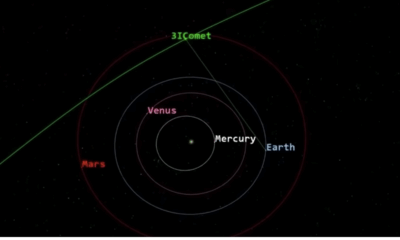
NASA Investigates Speedy Object 3I/ATLAS, Sparking Speculation
-
 Entertainment4 months ago
Emmerdale Faces Tension as Dylan and April’s Lives Hang in the Balance
-
 World3 months ago
Cole Palmer’s Cryptic Message to Kobbie Mainoo Following Loan Talks
-
 Science1 month ago
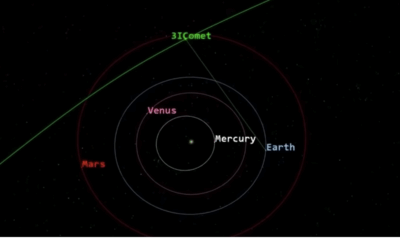
NASA Scientists Explore Origins of 3I/ATLAS, a Fast-Moving Visitor
-

 Entertainment2 months ago
Lewis Cope Addresses Accusations of Dance Training Advantage
-

 Entertainment3 months ago
Major Cast Changes at Coronation Street: Exits and Returns in 2025