
Business
China Expands Economic Reach into Middle Eastern Markets

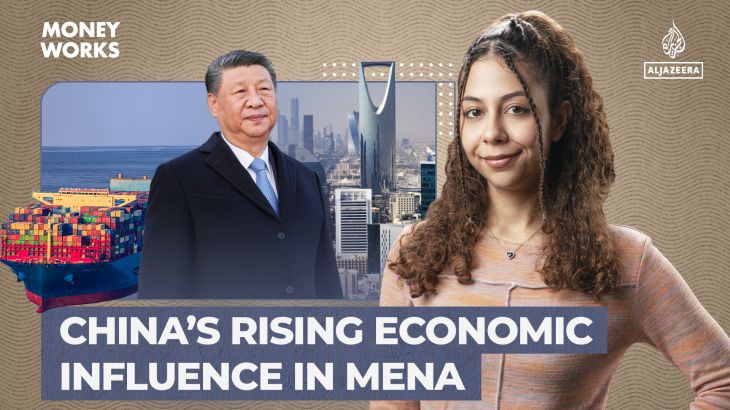
China’s economic reach is increasingly extending into the Middle East, a region traditionally influenced by Western powers. This shift has significant implications for global trade dynamics, as China seeks to solidify its position as a dominant economic force. The Middle East’s vast energy resources and strategic location make it a key area of interest for China, particularly through initiatives like the Belt and Road Initiative.
The Belt and Road Initiative, launched in 2013, aims to enhance global trade networks through infrastructure and investment. In the Middle East, China has been actively investing in key projects, fostering deeper trade ties with countries like the United Arab Emirates and Saudi Arabia. In 2021, China and Iran signed a landmark agreement worth approximately $400 billion to boost economic cooperation over a 25-year period. This partnership reflects China’s commitment to enhancing its influence in the region.
Saudi Arabia stands out as a significant partner for China. The two nations are collaborating on various projects, including the development of renewable energy sources. As Saudi Arabia diversifies its economy away from oil dependency, China’s investments in technology and infrastructure present an opportunity for mutual growth. The Kingdom’s Vision 2030 plan aligns well with China’s focus on sustainable development.
Trade between China and the Middle East has flourished, with figures indicating that bilateral trade reached approximately $200 billion in 2021. This rapid growth underscores the increasing interdependence between China and Middle Eastern economies. The region’s energy exports to China, particularly oil and natural gas, play a crucial role in meeting China’s energy demands.
China’s strategy also extends to providing military support and security partnerships within the region. This aspect is particularly relevant as geopolitical tensions persist, influencing national security strategies among Middle Eastern countries. By positioning itself as a reliable partner, China enhances its economic ties while gaining strategic advantages.
The shifting economic landscape indicates that the Middle East could serve as a vital hub for China’s global ambitions. With increasing investments and strategic partnerships forming, the region is poised to play a crucial role in shaping not only China’s future but also the dynamics of international trade.
As China continues to solidify its economic influence, the implications for Western nations and their historical dominance in the region cannot be understated. The evolving landscape will likely challenge existing power structures, leading to a redefined global economic order.
In conclusion, China’s expanding economic influence in the Middle East is driven by strategic investments, trade partnerships, and a commitment to mutual growth. As the region’s significance in global markets increases, the outcomes of these developments will be closely monitored by international observers.

Comet 3I/ATLAS Stirs Interest with Unusual Sunward Features

Packers Start Malik Willis as Jordan Love is Ruled Out Against Ravens

Call the Midwife’s Turner Family Faces Heartbreaking Crisis

Florida Man Arrested After Allegedly Stabbing Pregnant Wife

Precious Metals Surge as Safe Haven Demand Grows

Dr. Michael Mosley’s Evening Eating Tip Helps Women Lose Weight

Montenegro’s Health System Faces Corruption Challenges, Report Finds

Washington D.C. Faces Turmoil: Record Shutdown, Tariffs, and Policies

Astronomers Identify Nine Signals from 3I/ATLAS as Human Noise

Andrew Pierce Confirms Departure from ITV’s Good Morning Britain

Neurologist Warns Excessive Use of Supplements Can Harm Brain

Fiona Phillips’ Husband Shares Heartfelt Update on Her Alzheimer’s Journey

Brian Cox Addresses Claims of Alien Probe in 3I/ATLAS Discovery

NASA Investigates Unusual Comet 3I/ATLAS; New Findings Emerge

Gogglebox Star Helena Worthington Announces Break After Loss

Tess Daly Honoured with MBE, Announces Departure from Strictly

Scientists Examine 3I/ATLAS: Alien Artifact or Cosmic Oddity?

Lewis Cope Addresses Accusations of Dance Training Advantage
-
 Entertainment2 weeks ago
Andrew Pierce Confirms Departure from ITV’s Good Morning Britain
-
 Health4 months ago
Neurologist Warns Excessive Use of Supplements Can Harm Brain
-
 Health4 months ago
Fiona Phillips’ Husband Shares Heartfelt Update on Her Alzheimer’s Journey
-
 Science2 months ago
Brian Cox Addresses Claims of Alien Probe in 3I/ATLAS Discovery
-
 Science2 months ago
NASA Investigates Unusual Comet 3I/ATLAS; New Findings Emerge
-
 Entertainment1 week ago
Gogglebox Star Helena Worthington Announces Break After Loss
-
 Entertainment1 month ago
Tess Daly Honoured with MBE, Announces Departure from Strictly
-
 Science2 months ago
Scientists Examine 3I/ATLAS: Alien Artifact or Cosmic Oddity?
-
 Entertainment3 months ago
Lewis Cope Addresses Accusations of Dance Training Advantage
-

 Entertainment5 months ago
Kerry Katona Discusses Future Baby Plans and Brian McFadden’s Wedding
-
 Science2 months ago
NASA Investigates Speedy Object 3I/ATLAS, Sparking Speculation
-

 Entertainment5 months ago
Emmerdale Faces Tension as Dylan and April’s Lives Hang in the Balance