
Health
Misophonia Turns Christmas Dinner into a Challenge for Many

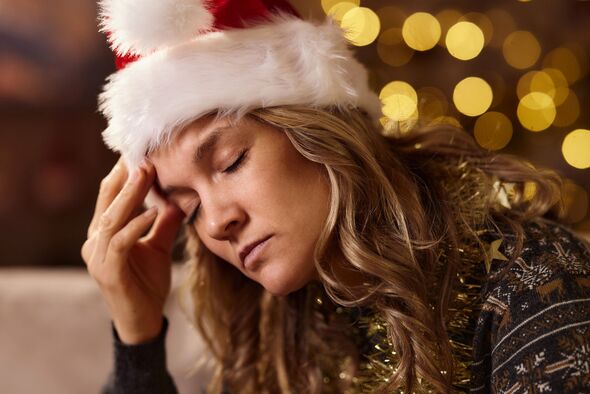
For many, Christmas dinner is a time for joy and celebration. However, for those living with misophonia, the festive season can become a source of significant stress and discomfort. This condition, characterized by strong emotional reactions to specific everyday sounds—often those associated with eating, drinking, or movement—can make social gatherings particularly challenging.
A recent study conducted by researchers from King’s College London and the University of Oxford revealed that nearly one in five people in the United Kingdom experience misophonia to a degree that significantly impacts their daily lives. Alarmingly, the study found that most individuals affected by this condition are unaware of its existence. According to Dr. Silia Vitoratou, the study’s lead author, “Only 14% of those deemed highly affected by misophonia had heard the term before.”
Understanding Misophonia
Misophonia transcends age, gender, and cultural background, often developing during the early teenage years. Lottie Doyle, a 23-year-old woman who has lived with the condition since she was 16, exemplifies the struggles that many face. As she prepares for the holiday season, she knows that her only means of surviving the family dinner is by wearing earplugs. Doyle describes the experience: “I get this feeling of sudden panic, my whole body will just tense up and it feels like I’m in danger, and I need to somehow control these noises.”
She further articulates the challenges posed by the festive atmosphere: “There are so many different triggering sounds at Christmas and that can be anxiety-inducing and make you dread it.” While Doyle’s family is understanding, she expresses concern about her own discomfort affecting others, noting the internal conflict between her sanity and the happiness of those around her.
The Impact and Management of Misophonia
Although misophonia is not life-threatening, its effects on mental health, relationships, and overall well-being can be profound. Severe cases may lead to intense emotional and physical reactions, including fight-or-flight responses, as outlined by the Cleveland Clinic. While there is no definitive cure, various therapies targeting related conditions such as anxiety or obsessive-compulsive traits can help individuals manage their symptoms.
Experts suggest that misophonia may arise from differences in brain structure and heightened neural responses to sound. Factors such as genetics, other neurological conditions, and hearing issues may also contribute to its development. Despite the isolating nature of the disorder, research indicates that those suffering from misophonia are not alone. Increased awareness and understanding from family and friends, along with practical coping strategies, can significantly enhance the experience of social events like Christmas.
As the holiday season unfolds, it is essential to recognize the challenges faced by individuals with misophonia. With greater awareness and support, festive gatherings can become more inclusive, allowing everyone to enjoy the spirit of the season.

Comet 3I/ATLAS Exhibits Unusual Sunward Tail, Sparks Scientific Interest

Ricky Hatton Leaves £40 Million Legacy to His Children

Manchester United Triumphs 1-0 Over Newcastle in Tactical Shift

Popular Camel Coat Slashed by £84 in Seasonal Sale

Texas Commits $350 Million to Nuclear Energy Renaissance

Beckham Family Feud Deepens During Christmas Celebrations

Comet 3I/ATLAS Stirs Interest with Unusual Sunward Features

Packers Start Malik Willis as Jordan Love is Ruled Out Against Ravens

Call the Midwife’s Turner Family Faces Heartbreaking Crisis

Andrew Pierce Confirms Departure from ITV’s Good Morning Britain

Neurologist Warns Excessive Use of Supplements Can Harm Brain

Fiona Phillips’ Husband Shares Heartfelt Update on Her Alzheimer’s Journey

Brian Cox Addresses Claims of Alien Probe in 3I/ATLAS Discovery

NASA Investigates Unusual Comet 3I/ATLAS; New Findings Emerge

Gogglebox Star Helena Worthington Announces Break After Loss

Tess Daly Honoured with MBE, Announces Departure from Strictly

Scientists Examine 3I/ATLAS: Alien Artifact or Cosmic Oddity?

Lewis Cope Addresses Accusations of Dance Training Advantage
-
 Entertainment2 weeks ago
Andrew Pierce Confirms Departure from ITV’s Good Morning Britain
-
 Health4 months ago
Neurologist Warns Excessive Use of Supplements Can Harm Brain
-
 Health4 months ago
Fiona Phillips’ Husband Shares Heartfelt Update on Her Alzheimer’s Journey
-
 Science2 months ago
Brian Cox Addresses Claims of Alien Probe in 3I/ATLAS Discovery
-
 Science2 months ago
NASA Investigates Unusual Comet 3I/ATLAS; New Findings Emerge
-
 Entertainment1 week ago
Gogglebox Star Helena Worthington Announces Break After Loss
-
 Entertainment1 month ago
Tess Daly Honoured with MBE, Announces Departure from Strictly
-
 Science2 months ago
Scientists Examine 3I/ATLAS: Alien Artifact or Cosmic Oddity?
-
 Entertainment3 months ago
Lewis Cope Addresses Accusations of Dance Training Advantage
-
 Entertainment5 months ago
Kerry Katona Discusses Future Baby Plans and Brian McFadden’s Wedding
-
 Science2 months ago
NASA Investigates Speedy Object 3I/ATLAS, Sparking Speculation
-
 Entertainment5 months ago
Emmerdale Faces Tension as Dylan and April’s Lives Hang in the Balance