
Health
Researchers Uncover Brain Activity Linking Nicotine Withdrawal to Pain Sensitivity

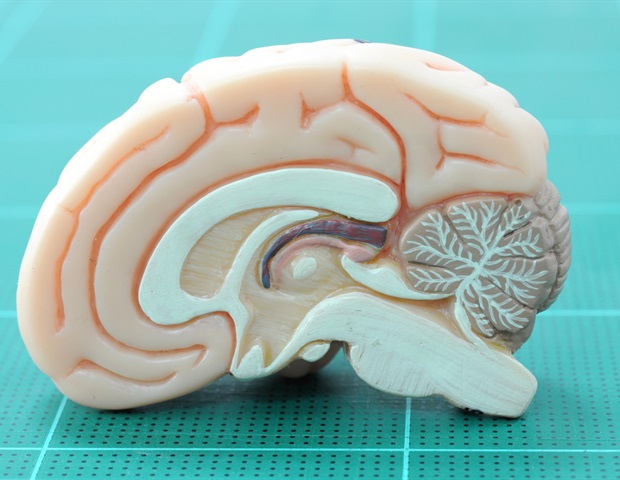
Research has revealed that smokers who abstain from nicotine experience heightened pain sensitivity, particularly during withdrawal. A study published in the Journal of Neuroscience on November 7, 2025, by a team led by Zhijie Lu from Fudan University Minhang Hospital and Kai Wei from Shanghai Eastern Hepatobiliary Surgery Hospital, examined the connections between nicotine withdrawal and increased pain sensitivity.
The study involved 30 abstinent smokers and 30 nonsmokers. It found that those who had recently stopped smoking exhibited altered brain activity, which correlated with a significant increase in their sensitivity to pain. This heightened sensitivity led to a greater demand for postoperative analgesics, particularly opioids, compared to their nonsmoking counterparts.
As the duration of abstinence from nicotine increased, so did the pain sensitivity experienced by the participants. The research indicated that specific brain regions were particularly involved in this phenomenon. Importantly, the study noted that pain sensitivity may normalize after a period of abstinence exceeding three months.
According to Kai Wei, “Our study does not discourage smokers from quitting before surgery. Our aim is to encourage researchers to delve deeper into the mechanisms underlying elevated pain sensitivity during short-term abstinence.” The findings highlight the clinical challenge faced by healthcare providers in managing pain for individuals who have recently quit smoking.
The research team identified two distinct sets of brain regions associated with the relationship between the need for postoperative pain relief and withdrawal symptoms. This suggests that understanding these mechanisms could lead to more effective pain management strategies for abstinent smokers.
As part of their ongoing investigation, the researchers are exploring alternatives to opioids that may provide effective pain relief for abstinent smokers. They are also examining the mechanisms and effectiveness of preoperative nicotine replacement therapies, which could potentially ease withdrawal symptoms and improve pain management outcomes.
The significance of these findings extends beyond individual patients. Addressing the increased analgesic needs of abstinent smokers can help reduce the risks associated with opioid use, contributing to safer postoperative care practices.
The study underscores the importance of further research into the brain’s response to nicotine withdrawal and its implications for pain management, ultimately aiming to enhance the quality of care for patients undergoing surgery.

Researchers Uncover Brain Activity Linking Nicotine Withdrawal to Pain Sensitivity

Local Musicians Release Runrig Cover to Support Highland Hospice

Alina Habba Steps Down as U.S. Attorney for New Jersey

Whistleblower Claims Trump Has Evidence of Alien Life

Manchester United and City Discover FA Cup Third Round Opponents

Replacement Work on A83 at Strone Point Begins December 15

Irena Sara Manovic Launches Book ‘I Am Already Flying’ in Podgorica

Centra Culcavy Launches Revamped Store with £470,000 Investment

STEGA Denies Knowledge of Criminal Charges Against Citizens

Neurologist Warns Excessive Use of Supplements Can Harm Brain

Fiona Phillips’ Husband Shares Heartfelt Update on Her Alzheimer’s Journey

Brian Cox Addresses Claims of Alien Probe in 3I/ATLAS Discovery

NASA Investigates Unusual Comet 3I/ATLAS; New Findings Emerge

Scientists Examine 3I/ATLAS: Alien Artifact or Cosmic Oddity?

Lewis Cope Addresses Accusations of Dance Training Advantage

Kerry Katona Discusses Future Baby Plans and Brian McFadden’s Wedding

NASA Investigates Speedy Object 3I/ATLAS, Sparking Speculation

Emmerdale Faces Tension as Dylan and April’s Lives Hang in the Balance
-
 Health3 months ago
Neurologist Warns Excessive Use of Supplements Can Harm Brain
-
 Health3 months ago
Fiona Phillips’ Husband Shares Heartfelt Update on Her Alzheimer’s Journey
-
 Science2 months ago
Brian Cox Addresses Claims of Alien Probe in 3I/ATLAS Discovery
-
 Science2 months ago
NASA Investigates Unusual Comet 3I/ATLAS; New Findings Emerge
-
 Science2 months ago
Scientists Examine 3I/ATLAS: Alien Artifact or Cosmic Oddity?
-
 Entertainment2 months ago
Lewis Cope Addresses Accusations of Dance Training Advantage
-
 Entertainment5 months ago
Kerry Katona Discusses Future Baby Plans and Brian McFadden’s Wedding
-
 Science1 month ago
NASA Investigates Speedy Object 3I/ATLAS, Sparking Speculation
-
 Entertainment4 months ago
Emmerdale Faces Tension as Dylan and April’s Lives Hang in the Balance
-

 World3 months ago
Cole Palmer’s Cryptic Message to Kobbie Mainoo Following Loan Talks
-

 Science1 month ago
NASA Scientists Explore Origins of 3I/ATLAS, a Fast-Moving Visitor
-

 Entertainment4 months ago
Major Cast Changes at Coronation Street: Exits and Returns in 2025