
Health
Virus Linked to Bladder Cancer: One Man’s Journey and New Research

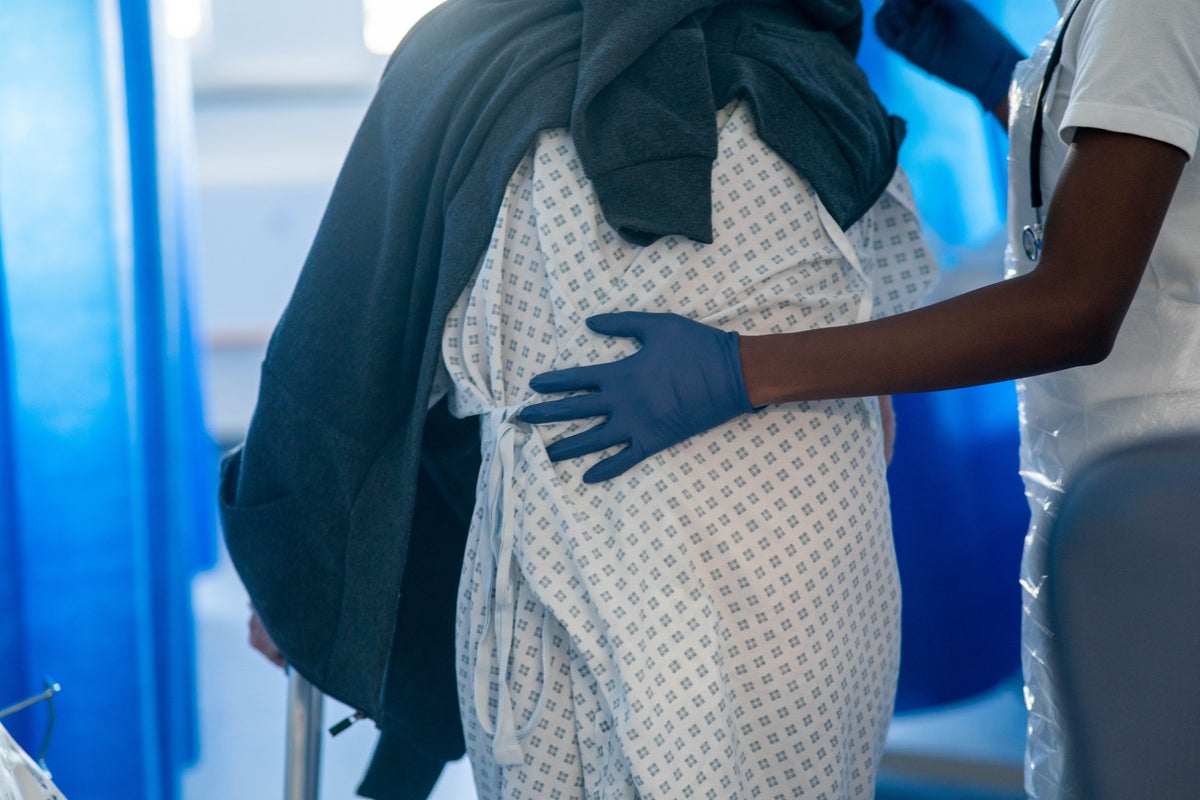
Tim Tavender, a 51-year-old from Southampton, faced a shocking cancer diagnosis that stemmed from a common virus. After developing the BK virus, known to cause flu-like symptoms, following a kidney transplant in 2015, he learned years later that it likely contributed to his battle with bladder cancer.
In 2021, Tavender experienced alarming symptoms, including blood in his urine. This led him to seek medical attention, culminating in a diagnosis that he described as devastating. “That visit to the doctor probably saved my life,” he stated, reflecting on the gravity of his situation. His account coincides with new research indicating that the BK virus can cause DNA damage, potentially leading to bladder cancer later in life.
Research Highlights Link Between BK Virus and Cancer
The recent study published in the journal Science Advances involved exposing human tissue from the urinary tract to the BK virus. Researchers discovered that enzymes meant to combat the virus can inadvertently cause damage to the cells’ own DNA. Dr. Baker, one of the leading researchers, explained, “We found that DNA damage happens not only in infected cells but also in surrounding ‘bystander cells’ witnessing the infection.”
This finding is significant because it helps clarify why many bladder cancers diagnosed years later show no trace of the virus. The BK virus typically remains dormant in the kidneys, but in transplant patients like Tavender, immunosuppressants can reactivate it, leading to potential damage to both the kidneys and bladder.
Tavender underwent a challenging 13-hour surgery to remove his bladder and expressed hope that the new research will prevent others from enduring similar experiences. Currently, there are approximately 10,000 new cases of bladder cancer diagnosed in the UK annually.
Implications for Future Cancer Prevention Strategies
The study’s implications extend beyond individual cases. Current recommendations to prevent bladder cancer focus primarily on lifestyle changes, such as quitting smoking. However, the findings about the BK virus present a new avenue for potential prevention through early identification and management of the virus.
Dr. Baker emphasized the importance of this research, stating, “It gives us motivation to seek prevention strategies for both bladder cancer and the kidney damage caused by BK virus.” With backing from organizations like Kidney Research UK and York Against Cancer, efforts are underway to develop new methods to control the virus effectively.
Dr. David Crosby, chief research officer at Kidney Research UK, remarked on the significance of these findings. “These findings move us closer to understanding why some people develop bladder cancer and show how tackling BK virus early could one day stop these cancers from developing at all.”
As ongoing research sheds light on the relationship between the BK virus and bladder cancer, the hope remains that better prevention strategies will emerge, potentially saving lives and improving outcomes for patients facing similar health challenges.

Harvard Scientist Proposes Cosmic Origins for Life on Earth

Trump’s Hand Injury Sparks Health Speculation at World Cup Draw

Swiss Inventor Takes to the Seas to Explore Longevity Secrets

Attackers Target React2Shell Vulnerability as Firms Scramble to Respond

FAA Selects Peraton to Lead $12.5 Billion Air Traffic Control Overhaul

Two Celebrity Contestants Exit Jungle Ahead of Finale

Deep Sea Mining Threatens Biodiversity, Report Reveals Alarming Losses

England Faces Tough Challenge in World Cup Group Draw

Heavy Rain Threatens Flooding Along River Severn in Gloucestershire

Neurologist Warns Excessive Use of Supplements Can Harm Brain

Fiona Phillips’ Husband Shares Heartfelt Update on Her Alzheimer’s Journey

Brian Cox Addresses Claims of Alien Probe in 3I/ATLAS Discovery

NASA Investigates Unusual Comet 3I/ATLAS; New Findings Emerge

Scientists Examine 3I/ATLAS: Alien Artifact or Cosmic Oddity?

Kerry Katona Discusses Future Baby Plans and Brian McFadden’s Wedding

NASA Investigates Speedy Object 3I/ATLAS, Sparking Speculation

Emmerdale Faces Tension as Dylan and April’s Lives Hang in the Balance

Cole Palmer’s Cryptic Message to Kobbie Mainoo Following Loan Talks
-
 Health3 months ago
Neurologist Warns Excessive Use of Supplements Can Harm Brain
-
 Health3 months ago
Fiona Phillips’ Husband Shares Heartfelt Update on Her Alzheimer’s Journey
-
 Science2 months ago
Brian Cox Addresses Claims of Alien Probe in 3I/ATLAS Discovery
-
 Science2 months ago
NASA Investigates Unusual Comet 3I/ATLAS; New Findings Emerge
-
 Science1 month ago
Scientists Examine 3I/ATLAS: Alien Artifact or Cosmic Oddity?
-
 Entertainment5 months ago
Kerry Katona Discusses Future Baby Plans and Brian McFadden’s Wedding
-
 Science1 month ago
NASA Investigates Speedy Object 3I/ATLAS, Sparking Speculation
-
 Entertainment4 months ago
Emmerdale Faces Tension as Dylan and April’s Lives Hang in the Balance
-
 World3 months ago
Cole Palmer’s Cryptic Message to Kobbie Mainoo Following Loan Talks
-

 Science1 month ago
NASA Scientists Explore Origins of 3I/ATLAS, a Fast-Moving Visitor
-

 Entertainment2 months ago
Lewis Cope Addresses Accusations of Dance Training Advantage
-

 Entertainment3 months ago
Major Cast Changes at Coronation Street: Exits and Returns in 2025