
Politics
Governments Must Curb Borrowing to Challenge OBR’s Influence

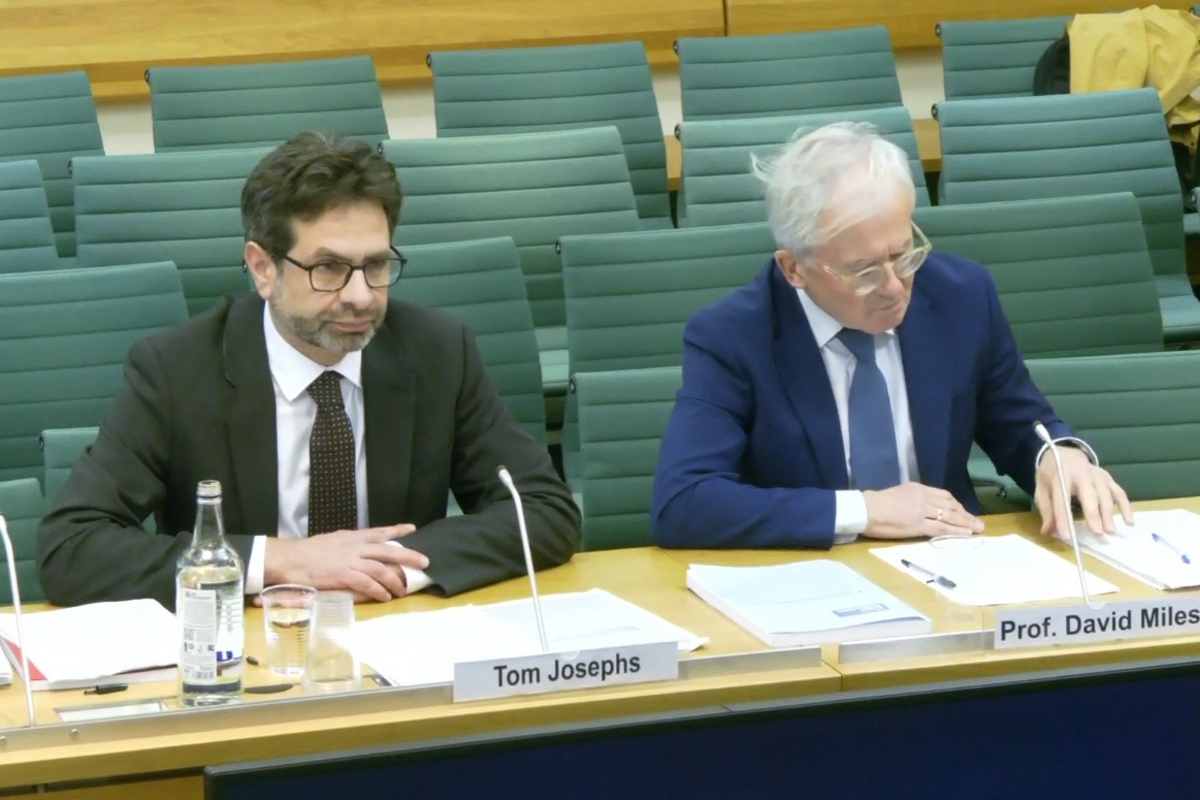
The Office for Budget Responsibility (OBR) has become a focal point of criticism from both left and right political factions in the UK. Recently, commentators have noted that if governments disapprove of the constraints imposed by OBR forecasts, they should consider running a budget surplus instead of relying on borrowing.
Critics from both sides have emerged, viewing the OBR as an obstacle to their political ambitions. The right perceives it as a powerful entity that supports traditional Treasury views, opposing tax cuts aimed at stimulating growth. Conversely, the left argues that the OBR was conceived under former Chancellor George Osborne to restrict the fiscal flexibility of left-leaning governments.
Statements from both extremes highlight a shared concern over the forecasting capabilities of the OBR. Politicians claim these forecasts limit their ability to implement policies effectively, forcing them into tax increases or reversals of proposed tax cuts based on projected outcomes.
While these critiques contain elements of truth, eliminating the OBR would likely exacerbate fiscal challenges, compelling the government into more stringent measures to maintain credibility in the bond markets. The OBR’s assessments heavily influence investor confidence, with markets responding negatively to perceived fiscal mismanagement.
The case of former Prime Minister Liz Truss illustrates the consequences of sidelining the OBR. Truss’s administration faced severe backlash when it disregarded established fiscal principles, leading to soaring gilt yields and a swift loss of confidence among investors. Initially campaigning against substantial government spending, Truss’s first act as Prime Minister involved announcing a £200 billion energy support package, a stark contrast to her earlier promises.
The situation underscores the importance of fiscal discipline. Truss’s approach did not expand her financial flexibility; instead, it severely restricted her options. The pressure from the OBR loomed over subsequent Chancellors, who have had to navigate the complex landscape of fiscal forecasting.
Historically, Chancellors have approached borrowing differently. For instance, during George Osborne‘s tenure, the emphasis was on eliminating the deficit rather than maximizing borrowing limits. This proactive stance allowed for substantial headroom—approximately £80 billion—making OBR forecasts less critical.
To effectively diminish the OBR’s influence, future governments may need to adopt a more conservative fiscal approach. Rachel Reeves recently highlighted a revised budget that saw a reduction of £9.9 billion, illustrating the challenge of managing public finances under the watchful eye of the OBR.
Ultimately, the path to reducing the OBR’s relevance is straightforward: governments should aim to run a surplus. By prioritizing fiscal responsibility, they can weaken the OBR’s grip on economic policy. If spending is consistently kept within sustainable limits, the OBR’s forecasts would lose their significance, allowing for greater autonomy in decision-making.
In this context, the conversation surrounding the OBR is a reminder of the delicate balance governments must maintain between fiscal policy and market expectations. As political factions continue to grapple with the implications of the OBR, the underlying message remains clear: prudent management of public finances is crucial for long-term economic stability.

Harvard Scientist Proposes Cosmic Origins for Life on Earth

Trump’s Hand Injury Sparks Health Speculation at World Cup Draw

Swiss Inventor Takes to the Seas to Explore Longevity Secrets

Attackers Target React2Shell Vulnerability as Firms Scramble to Respond

FAA Selects Peraton to Lead $12.5 Billion Air Traffic Control Overhaul

Two Celebrity Contestants Exit Jungle Ahead of Finale

Deep Sea Mining Threatens Biodiversity, Report Reveals Alarming Losses

England Faces Tough Challenge in World Cup Group Draw

Heavy Rain Threatens Flooding Along River Severn in Gloucestershire

Neurologist Warns Excessive Use of Supplements Can Harm Brain

Fiona Phillips’ Husband Shares Heartfelt Update on Her Alzheimer’s Journey

Brian Cox Addresses Claims of Alien Probe in 3I/ATLAS Discovery

NASA Investigates Unusual Comet 3I/ATLAS; New Findings Emerge

Scientists Examine 3I/ATLAS: Alien Artifact or Cosmic Oddity?

Kerry Katona Discusses Future Baby Plans and Brian McFadden’s Wedding

NASA Investigates Speedy Object 3I/ATLAS, Sparking Speculation

Emmerdale Faces Tension as Dylan and April’s Lives Hang in the Balance

Cole Palmer’s Cryptic Message to Kobbie Mainoo Following Loan Talks
-
 Health3 months ago
Neurologist Warns Excessive Use of Supplements Can Harm Brain
-
 Health3 months ago
Fiona Phillips’ Husband Shares Heartfelt Update on Her Alzheimer’s Journey
-
 Science2 months ago
Brian Cox Addresses Claims of Alien Probe in 3I/ATLAS Discovery
-
 Science2 months ago
NASA Investigates Unusual Comet 3I/ATLAS; New Findings Emerge
-
 Science1 month ago
Scientists Examine 3I/ATLAS: Alien Artifact or Cosmic Oddity?
-
 Entertainment5 months ago
Kerry Katona Discusses Future Baby Plans and Brian McFadden’s Wedding
-
 Science1 month ago
NASA Investigates Speedy Object 3I/ATLAS, Sparking Speculation
-
 Entertainment4 months ago
Emmerdale Faces Tension as Dylan and April’s Lives Hang in the Balance
-
 World3 months ago
Cole Palmer’s Cryptic Message to Kobbie Mainoo Following Loan Talks
-

 Science1 month ago
NASA Scientists Explore Origins of 3I/ATLAS, a Fast-Moving Visitor
-

 Entertainment2 months ago
Lewis Cope Addresses Accusations of Dance Training Advantage
-

 Entertainment3 months ago
Major Cast Changes at Coronation Street: Exits and Returns in 2025