
Science
New Study Reveals Feasible Solutions for Space Debris Cleanup


In a significant advancement towards addressing the escalating issue of space debris, a recent study highlights feasible strategies for cleanup. This research, conducted by the University of Southampton and published in early 2023, indicates that effectively managing the millions of human-made objects orbiting Earth is not only possible but essential for the future of space exploration.
Understanding the Space Debris Challenge
Currently, there are approximately 36,500 pieces of space debris larger than 10 centimeters orbiting Earth, traveling at speeds exceeding 15,000 miles per hour. These objects range from defunct satellites to fragments from past collisions and rocket launches. The increasing volume of debris poses a serious threat to operational satellites and the International Space Station (ISS), risking catastrophic collisions that could produce even more debris.
The study emphasizes that without intervention, the situation will worsen. Scientists warn that as more satellites are launched, the likelihood of collisions increases, creating a vicious cycle of debris generation. According to the European Space Agency (ESA), the risk of collision with operational satellites has grown significantly, underscoring the urgency of implementing cleanup measures.
Feasible Cleanup Strategies Identified
The researchers propose various innovative solutions for debris removal, including the use of robotic systems and nets to capture and deorbit defunct satellites. One of the most promising methods involves the deployment of a large net to ensnare smaller debris, which can then be targeted for controlled re-entry into Earth’s atmosphere. This method not only mitigates the risk of collision but also helps reduce the amount of space junk over time.
Additionally, the study suggests that international collaboration is crucial for successful implementation. Organizations like NASA and the ESA must work together to develop technologies and frameworks that allow for the safe retrieval of space debris. The authors argue that a coordinated global effort will be necessary to establish a sustainable approach to managing the growing problem.
The potential economic impact is also significant. As commercial space activities expand, the cost of collision damage could rise dramatically. Implementing these cleanup strategies could save billions in potential damages and ensure the continued safety of space operations.
In conclusion, the growing challenge posed by space debris demands immediate action. The findings from the University of Southampton’s study provide a roadmap for feasible cleanup solutions that could safeguard our orbital environment. As nations and private entities increase their presence in space, taking proactive steps to address debris management will be vital for the future of space exploration and the sustainability of Earth’s orbit.

Co Armagh Man Charged with Indecent Exposure Banned from Park

Experts Propose Comprehensive Wastewater Treatment Solution for Podgorica

Tom Homan Confronts Critics at UTEP Immigration Event

Programmable CRISPR Platform Accelerates Stem Cell Research Timelines

Experts Call for Advanced Wastewater Treatment in Podgorica

Kevin Sinfield Exceeds Fundraising Goal Ahead of Final Marathons

Urgent Health Warning: Rotavirus Cases Surge by 50% Globally

AI’s Impact on Education Sparks Debate Over Future Skills

Local Governments Face Deadline to Address Stray Livestock Crisis

Neurologist Warns Excessive Use of Supplements Can Harm Brain

Fiona Phillips’ Husband Shares Heartfelt Update on Her Alzheimer’s Journey

Brian Cox Addresses Claims of Alien Probe in 3I/ATLAS Discovery

NASA Investigates Unusual Comet 3I/ATLAS; New Findings Emerge

Scientists Examine 3I/ATLAS: Alien Artifact or Cosmic Oddity?

Kerry Katona Discusses Future Baby Plans and Brian McFadden’s Wedding

NASA Investigates Speedy Object 3I/ATLAS, Sparking Speculation

Emmerdale Faces Tension as Dylan and April’s Lives Hang in the Balance

Cole Palmer’s Cryptic Message to Kobbie Mainoo Following Loan Talks
-
 Health3 months ago
Neurologist Warns Excessive Use of Supplements Can Harm Brain
-
 Health3 months ago
Fiona Phillips’ Husband Shares Heartfelt Update on Her Alzheimer’s Journey
-
 Science2 months ago
Brian Cox Addresses Claims of Alien Probe in 3I/ATLAS Discovery
-
 Science2 months ago
NASA Investigates Unusual Comet 3I/ATLAS; New Findings Emerge
-
 Science1 month ago
Scientists Examine 3I/ATLAS: Alien Artifact or Cosmic Oddity?
-
 Entertainment5 months ago
Kerry Katona Discusses Future Baby Plans and Brian McFadden’s Wedding
-
 Science1 month ago
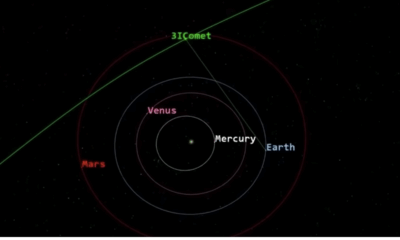
NASA Investigates Speedy Object 3I/ATLAS, Sparking Speculation
-
 Entertainment4 months ago
Emmerdale Faces Tension as Dylan and April’s Lives Hang in the Balance
-
 World3 months ago
Cole Palmer’s Cryptic Message to Kobbie Mainoo Following Loan Talks
-
 Science1 month ago
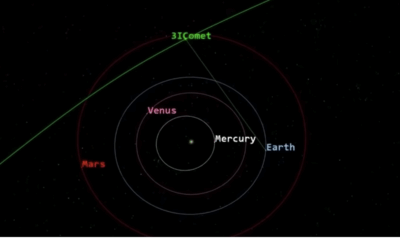
NASA Scientists Explore Origins of 3I/ATLAS, a Fast-Moving Visitor
-

 Entertainment2 months ago
Lewis Cope Addresses Accusations of Dance Training Advantage
-

 Entertainment3 months ago
Major Cast Changes at Coronation Street: Exits and Returns in 2025