
Sports
South Korean Film “No Other Choice” Critiques Capitalism’s Brutality

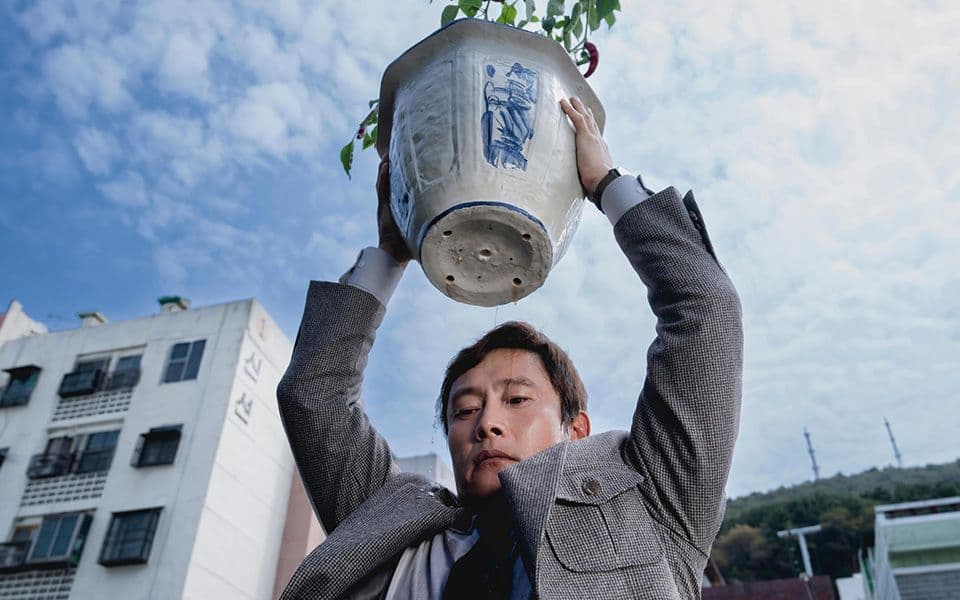
The new film “No Other Choice,” directed by South Korean filmmaker Park Chan-wook, delves into the harsh realities of capitalism through a darkly comedic narrative. Adapted from Donald Westlake’s horror-thriller novel “The Ax,” this film marks the second adaptation of the story, following an earlier version by renowned director Kosta Gavras. It explores the ethical dilemmas individuals face in a cutthroat economic environment, presenting a satirical yet poignant critique of modern life.
Set against the backdrop of a seemingly perfect family life in South Korea, the film opens with an idealized portrayal of a middle-class household. The father, Man-su, played by Li Byung-hun, is a paper factory technician, while his wife, Mi-ri, is a dedicated homemaker. Their lives appear idyllic, filled with domestic bliss and family activities, including their talented daughter and two dogs. This façade shatters when Man-su unexpectedly loses his job due to corporate downsizing, as the new American owners claim they have “no choice” but to cut costs.
Faced with the harsh reality of unemployment, Man-su is determined to remain in his field. The film portrays his struggle as he exhausts his severance pay seeking work, ultimately taking a position in a warehouse. Meanwhile, Mi-ri finds employment as a dental hygienist for a charming young dentist, Oh Jin-ho (Ju Yeon-seok), which adds pressure to Man-su’s already fragile ego. Their financial instability looms, with the threat of bankruptcy and the possible loss of their home adding to their mounting troubles.
Exploring Themes of Survival and Desperation
As time passes, Man-su becomes increasingly desperate, leading to a morally questionable decision: to eliminate his competition for jobs in the industry. This choice highlights a critical theme of the film—how economic pressures can warp human relationships and ethical boundaries. Man-su’s journey serves as a reflection of the broader struggles faced by many in a capitalist society where survival often supersedes morality.
While comparisons to Bong Joon-ho’s acclaimed film “Parasite” are inevitable, “No Other Choice” offers a different narrative approach. Critics argue that while the film is engaging, it does not reach the same narrative depth as “Parasite.” It is, however, a solid commentary on the human condition, showcasing a unique blend of dark humor and social commentary.
The film’s pacing and length have drawn some critiques, with viewers noting certain digressions that feel somewhat drawn out. Yet, the film contains rich layers of character motivation and social commentary. Man-su’s jealousy towards Mi-ri and the dynamics among his colleagues poignantly illustrate the helplessness felt by those in precarious positions. The balance between local cultural contexts in South Korea and the broader themes of corporate culture resonates throughout the narrative.
Critical Acclaim and Performances
The cast delivers commendable performances, with not just the leads but also supporting characters contributing significantly to the film’s success. The screenplay, crafted by a team of four writers, maintains coherence despite its complex themes. Park Chan-wook’s direction is notably inspired, blending humor and drama with precision, and ensuring that the chaos surrounding Man-su is both entertaining and thought-provoking.
In the film’s climax, the absurdity of the situation escalates, embodying a chaotic blend of humor and violence that Park handles masterfully. His unique storytelling style ensures that the film remains engaging without devolving into preachiness. The final scenes deliver a powerful message about the survival instincts forced upon individuals in a competitive world.
Critics have noted that “No Other Choice” serves as both an entertaining film and a cautionary tale about the excesses of capitalism. It effectively uses humor and suspense to engage audiences while prompting reflection on the societal pressures that shape personal choices. In doing so, Park not only entertains but also sheds light on critical social issues, demonstrating that knowledge and awareness are powerful tools against systemic challenges.
Overall, “No Other Choice” stands as a commendable exploration of contemporary life, earning a rating of 4/5. It is a film that resonates with those navigating the complexities of modern existence, making it a significant addition to Park Chan-wook’s celebrated filmography.

Urgent Health Warning: Rotavirus Cases Surge by 50% Globally

AI’s Impact on Education Sparks Debate Over Future Skills

Local Governments Face Deadline to Address Stray Livestock Crisis

Holiday Heart Risks Surge Amid Festive Celebrations

Rail Journeys in Pembrokeshire Surge by 18% as Travel Rebounds

Melania Trump’s Expression Stuns at National Christmas Tree Lighting

Ballymena Woman Arrested After Disturbance at Police Station

Complete Heating System Upgrade Enhances School Conditions in Pljevlja

Lincolnshire County Council Unveils £17 Million Plan to Combat Youth Homelessness

Neurologist Warns Excessive Use of Supplements Can Harm Brain

Fiona Phillips’ Husband Shares Heartfelt Update on Her Alzheimer’s Journey

Brian Cox Addresses Claims of Alien Probe in 3I/ATLAS Discovery

NASA Investigates Unusual Comet 3I/ATLAS; New Findings Emerge

Scientists Examine 3I/ATLAS: Alien Artifact or Cosmic Oddity?

Kerry Katona Discusses Future Baby Plans and Brian McFadden’s Wedding

NASA Investigates Speedy Object 3I/ATLAS, Sparking Speculation

Emmerdale Faces Tension as Dylan and April’s Lives Hang in the Balance

Cole Palmer’s Cryptic Message to Kobbie Mainoo Following Loan Talks
-
 Health3 months ago
Neurologist Warns Excessive Use of Supplements Can Harm Brain
-
 Health3 months ago
Fiona Phillips’ Husband Shares Heartfelt Update on Her Alzheimer’s Journey
-
 Science2 months ago
Brian Cox Addresses Claims of Alien Probe in 3I/ATLAS Discovery
-
 Science1 month ago
NASA Investigates Unusual Comet 3I/ATLAS; New Findings Emerge
-
 Science1 month ago
Scientists Examine 3I/ATLAS: Alien Artifact or Cosmic Oddity?
-
 Entertainment5 months ago
Kerry Katona Discusses Future Baby Plans and Brian McFadden’s Wedding
-
 Science1 month ago
NASA Investigates Speedy Object 3I/ATLAS, Sparking Speculation
-
 Entertainment4 months ago
Emmerdale Faces Tension as Dylan and April’s Lives Hang in the Balance
-
 World3 months ago
Cole Palmer’s Cryptic Message to Kobbie Mainoo Following Loan Talks
-
 Science1 month ago
NASA Scientists Explore Origins of 3I/ATLAS, a Fast-Moving Visitor
-

 Entertainment2 months ago
Lewis Cope Addresses Accusations of Dance Training Advantage
-

 Entertainment3 months ago
Major Cast Changes at Coronation Street: Exits and Returns in 2025