
World
Facial Recognition Technology: Balancing Crime Reduction and Privacy

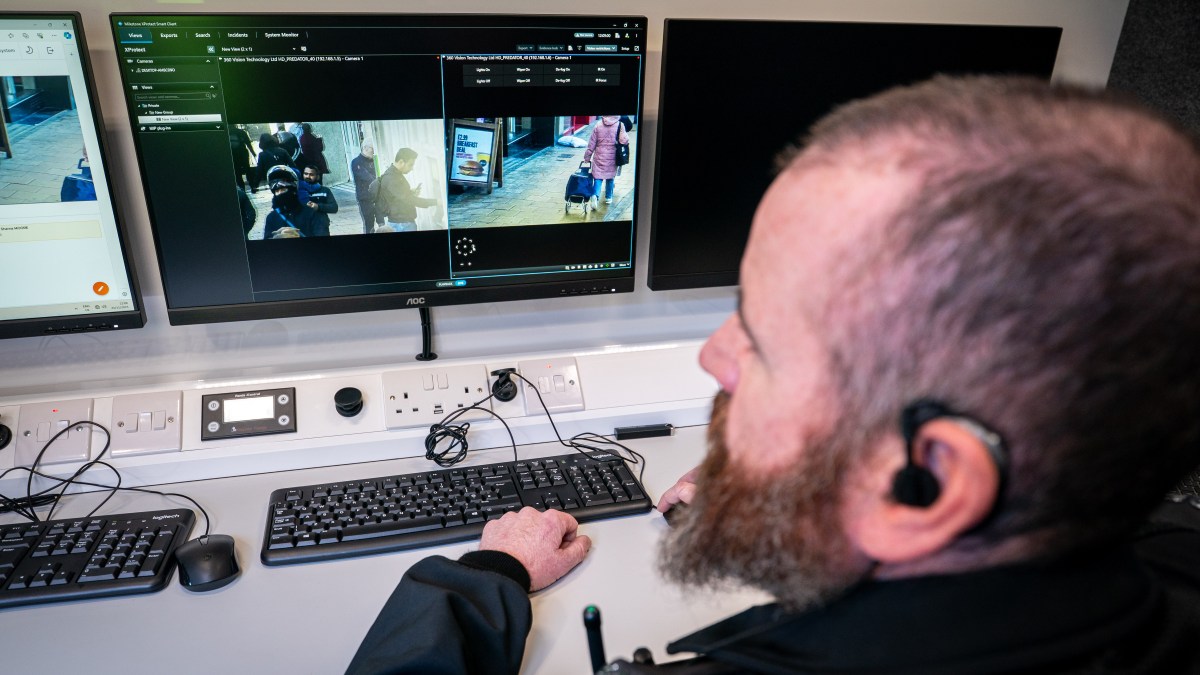
The increasing deployment of facial recognition technology has sparked an ongoing debate about its implications for privacy and civil liberties. While law enforcement agencies argue that this technology is crucial for reducing crime and apprehending offenders, experts are calling for stringent regulations to prevent potential overreach by the state.
Facial recognition systems have gained traction in various jurisdictions, including the United Kingdom, United States, and throughout the European Union. According to a report from the International Association of Chiefs of Police, the technology has aided in solving numerous crimes, from theft to more serious offenses. The report indicates that facial recognition helped identify suspects in over 1,500 cases last year alone, demonstrating its effectiveness in enhancing public safety.
Regulatory Framework Needed
Despite the benefits, privacy advocates warn that without a clear regulatory framework, the use of facial recognition could lead to significant infringements on individual rights. Concerns have been raised regarding potential misuse of data and surveillance overreach. A study by the Electronic Frontier Foundation found that nearly 60% of individuals surveyed expressed discomfort with being monitored by facial recognition systems, highlighting the need for transparency and accountability.
In March 2024, a coalition of civil rights organizations presented a proposal to government officials, advocating for comprehensive legislation to govern the use of facial recognition technology. The proposal emphasizes the importance of establishing guidelines that protect citizens’ privacy while enabling law enforcement to utilize the technology effectively.
Finding Common Ground
The challenge lies in finding a balance between leveraging technological advancements for public safety and safeguarding personal freedoms. Law enforcement agencies argue that properly regulated use of facial recognition can enhance their ability to prevent crime and respond to threats. They stress that the technology should be used responsibly, with oversight mechanisms in place to ensure compliance with legal standards.
Critics, including notable privacy advocates, call for an outright ban on facial recognition in public spaces, arguing that it disproportionately affects marginalized communities and can lead to wrongful accusations. They point to cases where facial recognition algorithms have misidentified individuals, raising concerns about accuracy and bias in the technology.
As discussions continue, it is clear that any future use of facial recognition must involve collaboration between technology developers, law enforcement, and civil rights groups. Engaging in open dialogue will be essential to address the multifaceted implications of this powerful tool.
In summary, while facial recognition technology presents significant advantages for crime reduction, its deployment raises critical questions regarding privacy and state power. The path forward requires careful consideration and the establishment of robust regulatory frameworks to protect citizens while still harnessing the benefits of innovation.

Co Armagh Man Charged with Indecent Exposure Banned from Park

Experts Propose Comprehensive Wastewater Treatment Solution for Podgorica

Tom Homan Confronts Critics at UTEP Immigration Event

Programmable CRISPR Platform Accelerates Stem Cell Research Timelines

Experts Call for Advanced Wastewater Treatment in Podgorica

Kevin Sinfield Exceeds Fundraising Goal Ahead of Final Marathons

Urgent Health Warning: Rotavirus Cases Surge by 50% Globally

AI’s Impact on Education Sparks Debate Over Future Skills

Local Governments Face Deadline to Address Stray Livestock Crisis

Neurologist Warns Excessive Use of Supplements Can Harm Brain

Fiona Phillips’ Husband Shares Heartfelt Update on Her Alzheimer’s Journey

Brian Cox Addresses Claims of Alien Probe in 3I/ATLAS Discovery

NASA Investigates Unusual Comet 3I/ATLAS; New Findings Emerge

Scientists Examine 3I/ATLAS: Alien Artifact or Cosmic Oddity?

Kerry Katona Discusses Future Baby Plans and Brian McFadden’s Wedding

NASA Investigates Speedy Object 3I/ATLAS, Sparking Speculation

Emmerdale Faces Tension as Dylan and April’s Lives Hang in the Balance

Cole Palmer’s Cryptic Message to Kobbie Mainoo Following Loan Talks
-
 Health3 months ago
Neurologist Warns Excessive Use of Supplements Can Harm Brain
-
 Health3 months ago
Fiona Phillips’ Husband Shares Heartfelt Update on Her Alzheimer’s Journey
-
 Science2 months ago
Brian Cox Addresses Claims of Alien Probe in 3I/ATLAS Discovery
-
 Science1 month ago
NASA Investigates Unusual Comet 3I/ATLAS; New Findings Emerge
-
 Science1 month ago
Scientists Examine 3I/ATLAS: Alien Artifact or Cosmic Oddity?
-
 Entertainment5 months ago
Kerry Katona Discusses Future Baby Plans and Brian McFadden’s Wedding
-
 Science1 month ago
NASA Investigates Speedy Object 3I/ATLAS, Sparking Speculation
-
 Entertainment4 months ago
Emmerdale Faces Tension as Dylan and April’s Lives Hang in the Balance
-
 World3 months ago
Cole Palmer’s Cryptic Message to Kobbie Mainoo Following Loan Talks
-

 Science1 month ago
NASA Scientists Explore Origins of 3I/ATLAS, a Fast-Moving Visitor
-

 Entertainment2 months ago
Lewis Cope Addresses Accusations of Dance Training Advantage
-

 Entertainment3 months ago
Major Cast Changes at Coronation Street: Exits and Returns in 2025