
Health
Understanding Painful Sex: Common Causes and When to Seek Help

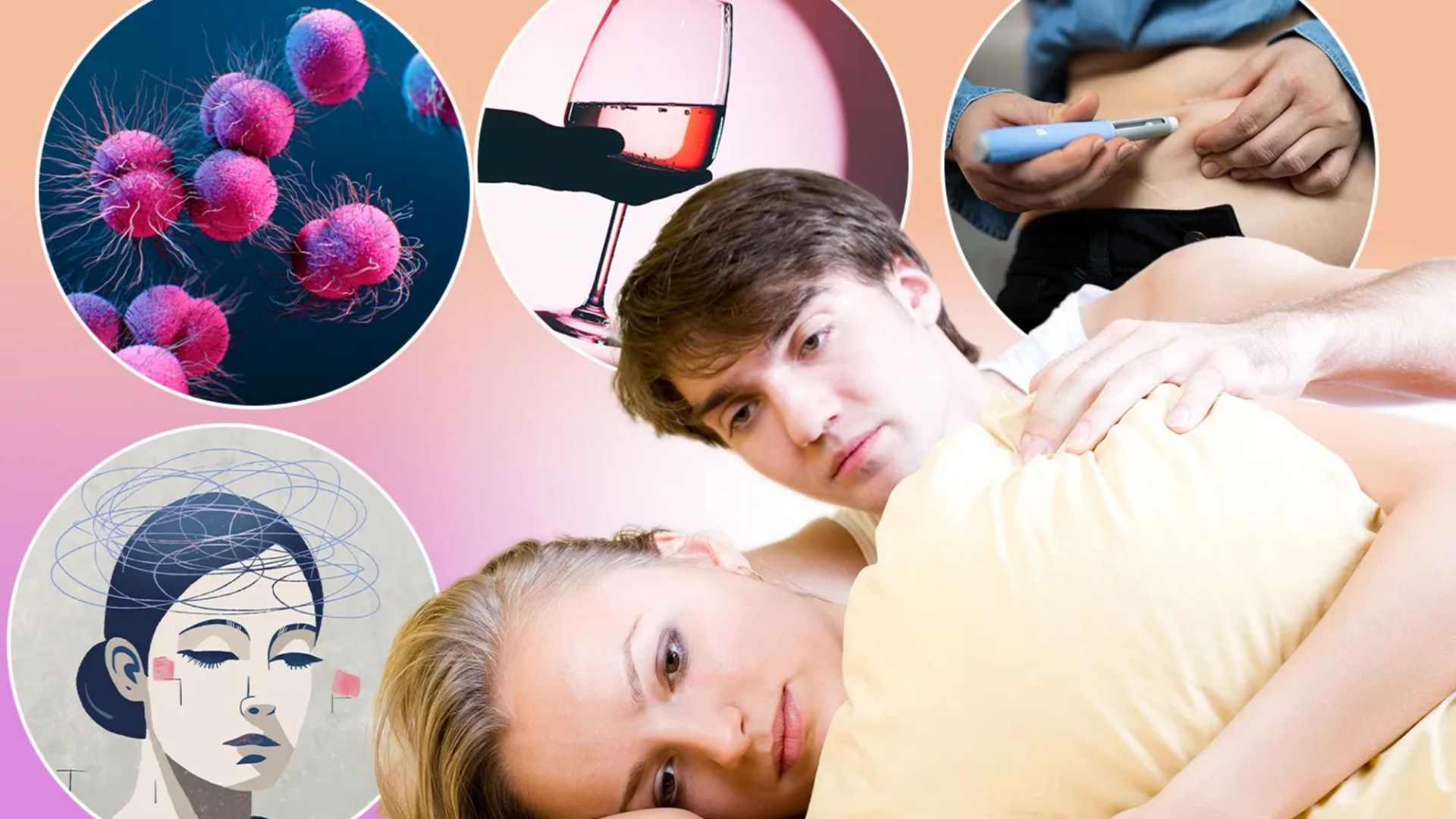
Sex can be an exhilarating experience, but for many individuals, it can also lead to significant discomfort or pain. According to data from YouGov, over half of women in the UK, specifically 57 percent, have reported experiencing pain during sexual intercourse at some point in their lives. This discomfort can manifest in various forms, including sharp stings, deep aches, or burning sensations, and it can occur in different areas such as the vulva or cervix. Understanding the underlying causes of this pain is critical, as it can range from simple infections to more complex medical conditions.
Common Causes of Sexual Pain
Dr. Sima Al Asad, founder of Dr Sima Aesthetics, emphasizes that painful sex, also known as dyspareunia, is often more prevalent than many people realize. She notes that many women endure discomfort for months or even years without seeking help, unaware that effective treatments are available. The causes can be varied, and understanding these factors is essential for addressing the issue appropriately.
One common culprit is excessive alcohol consumption. While a few drinks might enhance libido, alcohol can also lead to pain during sex. As a dehydrating agent, it decreases genital blood flow and reduces natural lubrication, resulting in vaginal dryness and irritation. Dr. Al Asad advises that women who experience discomfort should consider reducing alcohol intake, as even modest amounts can exacerbate symptoms, particularly during hormonal fluctuations such as ovulation or premenstrual phases.
Infections also play a significant role in sexual discomfort. According to NHS statistics, there were 364,750 new sexually transmitted infections (STIs) diagnosed in 2024 alone. Common STIs, such as chlamydia and gonorrhea, may not always present noticeable symptoms, making it essential for individuals to seek regular check-ups, especially if they have multiple partners or are engaging in new sexual relationships. Professor Vijay Nayar from Healthium Clinics highlights that STIs can cause additional symptoms like unusual discharge and itching, which could indicate an underlying issue that requires treatment.
Hormones, Conditions, and Treatment Options
Hormonal fluctuations are another frequent cause of painful sex. Dr. Al Asad states that changes related to contraception, menopause, or hormone replacement therapy (HRT) can significantly impact vaginal health. Lower levels of estrogen result in thinner, drier, and less elastic vaginal tissues, leading to discomfort during intercourse. Symptoms can persist long after sexual activity, and it is crucial for women experiencing these issues to consult with their healthcare providers for appropriate management options, which may include lubricants, vaginal moisturizers, or local estrogen therapy.
Pelvic congestion syndrome (PCS) is another condition that often goes undiagnosed. Sophie Strong, lead consultant gynecologist at the Pelvic Pain Clinic, indicates that around 1.5 million women in the UK may suffer from PCS, which can cause pain during sex due to faulty veins in the pelvis. PCS often mimics other conditions, such as endometriosis, and can lead to a variety of symptoms, including the need to urinate frequently and hip or back pain. Diagnosis typically involves an internal duplex ultrasound scan to assess blood flow, and treatment may include pelvic vein embolization, a minimally invasive procedure to alleviate symptoms.
Weight loss medications, such as Mounjaro, Ozempic, and Wegovy, also impact sexual health. Dr. Al Asad notes that rapid fat loss can alter the natural padding around the vulva and vagina, leading to increased friction or a lack of fullness during intercourse. While these changes are not dangerous, they can affect comfort levels. Additionally, the psychological aspects of weight loss can influence libido, as some individuals may experience heightened confidence while others might face temporary dips in sexual desire.
Lastly, psychological factors must not be overlooked. Anxiety and past trauma can lead to involuntary pelvic floor tightening, resulting in significant discomfort during sex. Dr. Al Asad explains that these physiological responses can make penetration feel painful or impossible. Open communication with partners about sexual needs and preferences is essential, and seeking professional help, such as psychosexual therapy or trauma-informed counseling, can provide valuable support.
In conclusion, while experiencing pain during sex is common, it is crucial for individuals to address the issue. Various factors, including hormonal changes, infections, and psychological influences, may contribute to discomfort. Consulting a healthcare provider is vital for identifying the underlying cause and exploring appropriate treatment options. Awareness and open dialogue can significantly improve sexual health and overall well-being.

Exhaustion Unmasked: Rachel Christensen’s Hidden Health Battle

Navigate Your Rights on Unwanted Christmas Gifts with Ease

European Nations Reinforce Military Service Amid Rising Tensions

Astronomers Dismiss Nine Signals from 3I/ATLAS as Human Noise

John Terry Eyes First Managerial Role with Oxford United

Young Man Fights for Life After Christmas Day Shooting in Sheffield

Montenegro’s Economic Reform Program Projects €3.5 Billion Revenue by 2026

Analysts Assess Rolls-Royce Share Prospects for 2026

Tragic House Fire Claims Life of Man in Ballymena, Co Antrim

Andrew Pierce Confirms Departure from ITV’s Good Morning Britain

Fiona Phillips’ Husband Shares Heartfelt Update on Her Alzheimer’s Journey

Neurologist Warns Excessive Use of Supplements Can Harm Brain

Brian Cox Addresses Claims of Alien Probe in 3I/ATLAS Discovery

NASA Investigates Unusual Comet 3I/ATLAS; New Findings Emerge

Gogglebox Star Helena Worthington Announces Break After Loss

Scientists Examine 3I/ATLAS: Alien Artifact or Cosmic Oddity?

Tess Daly Honoured with MBE, Announces Departure from Strictly

Lewis Cope Addresses Accusations of Dance Training Advantage
-
 Entertainment2 weeks ago
Andrew Pierce Confirms Departure from ITV’s Good Morning Britain
-
 Health4 months ago
Fiona Phillips’ Husband Shares Heartfelt Update on Her Alzheimer’s Journey
-
 Health4 months ago
Neurologist Warns Excessive Use of Supplements Can Harm Brain
-
 Science2 months ago
Brian Cox Addresses Claims of Alien Probe in 3I/ATLAS Discovery
-
 Science2 months ago
NASA Investigates Unusual Comet 3I/ATLAS; New Findings Emerge
-
 Entertainment1 week ago
Gogglebox Star Helena Worthington Announces Break After Loss
-
 Science2 months ago
Scientists Examine 3I/ATLAS: Alien Artifact or Cosmic Oddity?
-
 Entertainment1 month ago
Tess Daly Honoured with MBE, Announces Departure from Strictly
-
 Entertainment2 months ago
Lewis Cope Addresses Accusations of Dance Training Advantage
-

 Entertainment5 months ago
Kerry Katona Discusses Future Baby Plans and Brian McFadden’s Wedding
-

 Science2 months ago
NASA Investigates Speedy Object 3I/ATLAS, Sparking Speculation
-

 Entertainment5 months ago
Emmerdale Faces Tension as Dylan and April’s Lives Hang in the Balance