
Science
Elon Musk Claims Longevity Breakthroughs Could Defeat Death

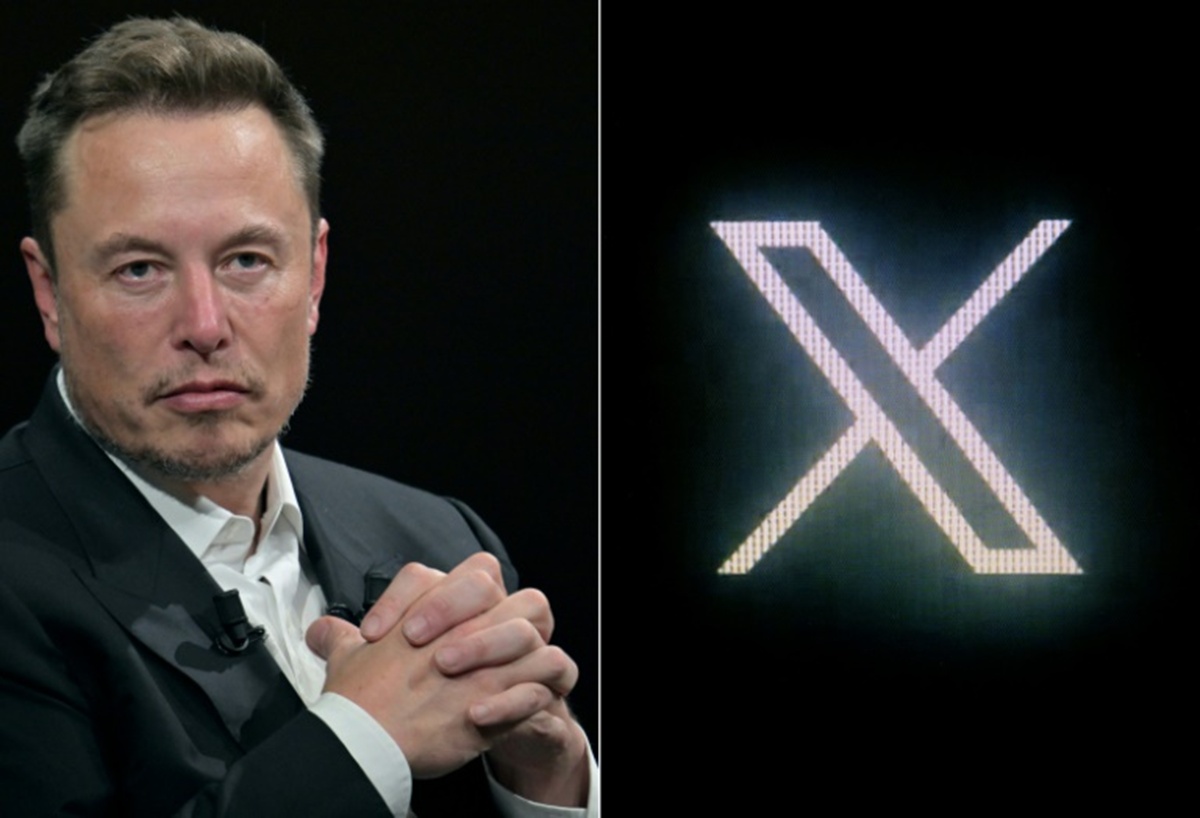
Elon Musk has made headlines by asserting that defeating human death through breakthroughs in longevity is an “extremely solvable problem.” Speaking on the Moonshots podcast with host Peter Diamandis on January 6, 2023, Musk expressed his belief that understanding the biological mechanisms behind human aging could lead to significant advancements in longevity. This marks a notable shift in Musk’s perspective, as he previously cautioned against pursuing radical longevity technologies.
During the podcast, Musk stated, “I’ve long thought that longevity or semi-mortality is an extremely solvable problem. I don’t think it’s a particularly hard problem.” His comments suggest a growing confidence in the potential of artificial intelligence and biotechnology to tackle issues he once deemed concerning.
As part of his exploration into AI’s capabilities, Musk revealed that he recently underwent an MRI scan, the results of which he uploaded to Grok, his xAI company’s artificial intelligence model. This personal experiment did not reveal any alarming health issues, indicating Musk’s serious commitment to leveraging technology for better health insights.
The conversation with Diamandis also touched on the potential collaboration with Fountain Life, a longevity company co-founded by Diamandis that focuses on “AI-guided diagnostics” and health monitoring. Diamandis explained their process, which involves a comprehensive data upload, including full genomic information and medical imaging.
Musk’s latest remarks reflect a significant turnaround from his previous skepticism. In 2022, he warned that extending human life could lead to societal stagnation, asserting that “most people don’t change their mind. They just die.” He expressed concern that if individuals did not die, society would be stuck with outdated ideas, hindering progress.
Scientific opinions on Musk’s optimism vary. Dr. João Pedro de Magalhães, Chair of Molecular Biogerontology at the University of Birmingham, calculated that if aging and age-related diseases were eliminated, the average human lifespan could extend to 1,200 years. This projection is based on a low initial mortality rate in industrialized nations, suggesting that only accidents and non-age-related causes would threaten life.
Musk’s argument draws parallels with existing examples of longevity in nature. For instance, Bowhead whales can live for over 200 years with low cancer rates, while Greenland sharks may reach ages between 400 and 500 years due to their slow metabolism and effective antioxidant systems. Recent research published in December 2025 indicated that scientists engineered mice with enhanced mitochondrial proteins, resulting in longer lifespans and improved health, suggesting that cellular alterations could serve as a tool for longevity.
In the realm of anti-aging research, Aubrey de Grey, founder of the SENS Research Foundation, has long advocated for approaches targeting specific types of cellular damage. His philosophy emphasizes the importance of understanding aging as a natural process rather than something to fear or combat.
Musk’s renewed focus on longevity aligns him with other tech billionaires who have invested heavily in anti-aging research. Notable figures include Jeff Bezos, who has backed Altos Labs, a start-up specializing in cell revitalization technology, and the founders of Google, Larry Page and Sergey Brin, who established Calico Labs to investigate the underlying causes of aging. Others, such as Peter Thiel and Larry Ellison, have also contributed substantial funds toward immortality research.
Despite the potential benefits of these investments, bioethicists have raised concerns about the implications of such advancements. Christopher Wareham, a bioethicist, warned that if a form of “vaccine for aging” were developed, it could exacerbate existing inequalities. Wealthier individuals might benefit disproportionately, as longevity could enhance their wealth and political influence.
Musk’s public endorsement of longevity research may catalyze increased funding and attention toward anti-aging science. Whether his optimistic outlook translates into tangible results remains uncertain. Nevertheless, the intersection of artificial intelligence, genetic engineering, and biotechnology may provide unprecedented opportunities to address the age-old question of human mortality, a prospect Musk describes as the “incredibly obvious” puzzle of aging.

Over 100 Staff at Second Step Charity to Strike for Four Days

Snoop Dogg Tops List of Fashion Flops at 2026 Golden Globes

Allegations of Infidelity Drive Kristy Sarah and Desmond Scott’s Divorce

Elon Musk Claims Longevity Breakthroughs Could Defeat Death

Tensions Rise as AJ Brown Confronts Coach Nick Sirianni in Playoff Clash

M48 Severn Bridge Closes Due to Strong Winds, Drivers Advised to Reroute

UK Couple Faces $200,000 Bill After Emergency Birth in US

Guest Shocked by Soup Bowls Valued at £14,000 on Antiques Roadshow

David Letterman Criticizes CBS News Leadership in Scathing Video

Andrew Pierce Confirms Departure from ITV’s Good Morning Britain

Neurologist Warns Excessive Use of Supplements Can Harm Brain

Fiona Phillips’ Husband Shares Heartfelt Update on Her Alzheimer’s Journey

Brian Cox Addresses Claims of Alien Probe in 3I/ATLAS Discovery

Gogglebox Star Helena Worthington Announces Break After Loss

NASA Investigates Unusual Comet 3I/ATLAS; New Findings Emerge

Tess Daly Honoured with MBE, Announces Departure from Strictly

Scientists Examine 3I/ATLAS: Alien Artifact or Cosmic Oddity?

Lewis Cope Addresses Accusations of Dance Training Advantage
-
 Entertainment1 month ago
Andrew Pierce Confirms Departure from ITV’s Good Morning Britain
-
 Health4 months ago
Neurologist Warns Excessive Use of Supplements Can Harm Brain
-
 Health5 months ago
Fiona Phillips’ Husband Shares Heartfelt Update on Her Alzheimer’s Journey
-
 Science3 months ago
Brian Cox Addresses Claims of Alien Probe in 3I/ATLAS Discovery
-
 Entertainment4 weeks ago
Gogglebox Star Helena Worthington Announces Break After Loss
-
 Science3 months ago
NASA Investigates Unusual Comet 3I/ATLAS; New Findings Emerge
-
 Entertainment2 months ago
Tess Daly Honoured with MBE, Announces Departure from Strictly
-
 Science3 months ago
Scientists Examine 3I/ATLAS: Alien Artifact or Cosmic Oddity?
-
 Entertainment3 months ago
Lewis Cope Addresses Accusations of Dance Training Advantage
-

 Entertainment6 months ago
Kerry Katona Discusses Future Baby Plans and Brian McFadden’s Wedding
-

 World2 months ago
Bailey and Rebecca Announce Heartbreaking Split After MAFS Reunion
-

 Entertainment2 months ago
EastEnders Unveils Jasmine’s Identity as Cindy’s Life Hangs in the Balance