
Sports
Honoring Italian Military Heroes: A Legacy of Valor and Sacrifice

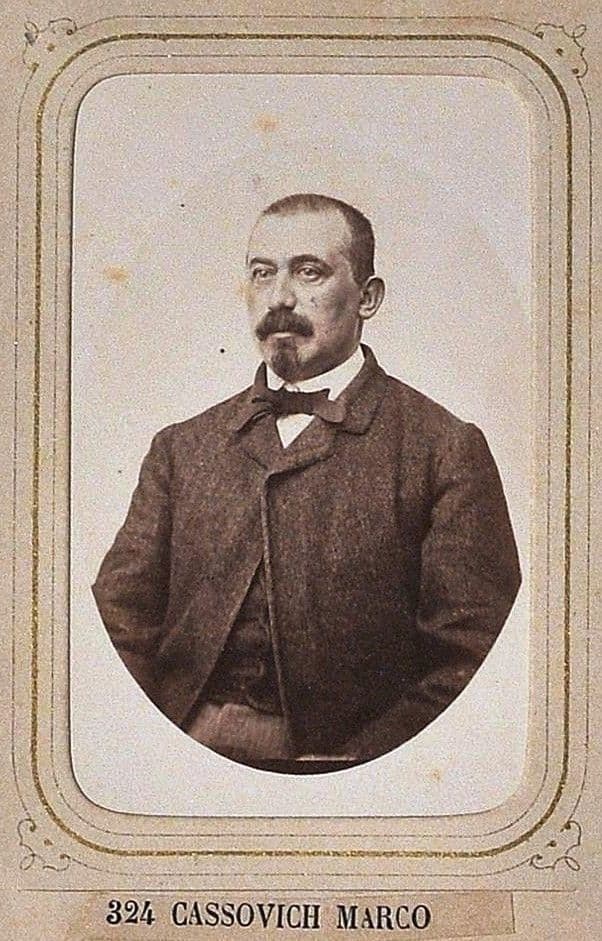
The contributions of Italian military figures during significant historical conflicts are being commemorated, highlighting their bravery and dedication. Notably, the legacies of Marko Kosović, Antonio Radović, and Jovan Čubranović serve as powerful reminders of valor in the face of adversity. Their roles in pivotal battles and campaigns underscore a rich history of military service in Italy.
Marko Kosović: A Hero of Unification
Marko Kosović, a prominent figure in the Italian military, played a critical role during the attacks on Kalatafimi and the capture of Palermo. Serving as an officer in the command of the 2nd regiment during the Battle of Volturno, he earned recognition from none other than Giuseppe Garibaldi in his work “The Thousand.” Kosović exited the war with the rank of lieutenant colonel, a position he held until 1863 when he resigned.
In the Third War of Independence in 1866, Kosović enlisted as a volunteer under Garibaldi, quickly rising to the rank of lieutenant colonel in the 9th Volunteer Corps. Following the resignation of Colonel Francesco Corvi in August, he became the commander of the 10th Volunteer Regiment, tasked with defending the coast against Austrian naval forces. His leadership during the Battle of Bezzeca was notable; despite sustaining a significant loss, he remained steadfast, encouraging his troops to persevere.
Italy’s involvement in the Austro-Prussian War paved the way for the acquisition of Venice, solidifying national borders until the end of World War I. For his courage, Kosović was awarded the Officer’s Cross of the Military Order of Savoy on June 12, 1861, for his “heroic distinction in every endeavor.” His legacy was further immortalized with a plaque in Venice in 1930, and he rests at the San Michele Cemetery, remembered as a patriot and participant in “The Thousand.”
Antonio Radović: From Adversity to Glory
Antonio Radović represents resilience and dedication in the Italian military. Born on May 1, 1837, in Spresiano, Treviso, he faced significant hardships early in life, with both parents dying shortly after his mother succumbed to illness in 1856. At just 11 years old, Radović participated in sabotaging a wooden bridge in Priula, showcasing his early commitment to his cause.
After his parents’ deaths, he joined the Ulani Corps in 1865, ultimately escaping and enlisting in the Piedmont army. Radović became a symbol of the Risorgimento movement, fighting in battles such as Solferino and San Martino during the Second War of Independence in 1859. His military career continued to flourish as he fought alongside Garibaldi during the Expedition of the Thousand, sustaining injuries during the critical battle in Palermo.
Despite his accomplishments, Radović faced challenges post-war, including loss of rank and pension due to a politically charged incident in 1869. He eventually regained his honors and participated in the Franco-Prussian War, where he rose to the rank of major. His enduring commitment to Italy included opening a field hospital during World War I, for which he was awarded the Gold Medal of the Red Cross.
Jovan Čubranović: A Voice for Montenegro
Jovan Čubranović, born in 1885 in Rovca, Montenegro, became a notable figure during World War I, representing the interests of Montenegrin soldiers in the Italian military. He participated in the Balkan Wars from 1912 to 1913 and continued his service throughout World War I, working in the Main Inspectorate of the Montenegrin Army. Following the fall of Montenegro in January 1916, he joined the Italian forces, serving in the navy and participating in operations aimed at liberating Montenegro from Austro-Hungarian control.
For his contributions during the war, Čubranović received the Cross for War Merit. After the war, he remained in Italy, becoming an influential member of the Committee for Montenegrin Independence in Bologna, advocating for Montenegrin rights across Europe. His journalistic career flourished as he published works in various countries, including Spain and Ireland, becoming a significant voice for the Montenegrin cause.
As a respected figure, Čubranović’s efforts extended well beyond the battlefield, working tirelessly to raise awareness for Montenegro’s independence. His legacy reflects the determination and commitment of Montenegrins in the face of adversity.
The stories of Kosović, Radović, and Čubranović serve as enduring reminders of the courage and sacrifice displayed by individuals who fought for their nations during tumultuous times. Their legacies continue to inspire future generations in both Italy and Montenegro.

Niksic Celebrates Cultural Legacy with Folklore Milestone

NLC Demands Urgent Wage Adjustments Amid Rising Living Costs

‘One Battle After Another’ Triumphs with Six Oscars at 98th Academy Awards

Rainy Monday in Alton Clears for Sunshine by Midweek

Residents Push for New Supermarket in Overcrowded Town

Jimmy Kimmel Critiques Trump at 98th Academy Awards Ceremony

Young People Face Job Market Challenges Due to Health Issues

Stars Shine at the 2026 Oscars: Adorable Couples Take Center Stage

Brooklyn Beckham Faces Backlash for Mother’s Day Message Snub

Andrew Pierce Confirms Departure from ITV’s Good Morning Britain

Coronation Street Reveals Audrey Roberts’ Absence Explained

Fiona Phillips’ Husband Shares Heartfelt Update on Her Alzheimer’s Journey

Neurologist Warns Excessive Use of Supplements Can Harm Brain

Gogglebox Star Helena Worthington Announces Break After Loss

Brian Cox Addresses Claims of Alien Probe in 3I/ATLAS Discovery

NASA Investigates Unusual Comet 3I/ATLAS; New Findings Emerge

EastEnders Welcomes Back Mark Fowler Jr. with New Actor

Tess Daly Honoured with MBE, Announces Departure from Strictly
-
 Entertainment5 months ago
Andrew Pierce Confirms Departure from ITV’s Good Morning Britain
-
 Entertainment2 months ago
Coronation Street Reveals Audrey Roberts’ Absence Explained
-
 Health8 months ago
Fiona Phillips’ Husband Shares Heartfelt Update on Her Alzheimer’s Journey
-
 Health8 months ago
Neurologist Warns Excessive Use of Supplements Can Harm Brain
-
 Entertainment5 months ago
Gogglebox Star Helena Worthington Announces Break After Loss
-
 Science7 months ago
Brian Cox Addresses Claims of Alien Probe in 3I/ATLAS Discovery
-
 Science7 months ago
NASA Investigates Unusual Comet 3I/ATLAS; New Findings Emerge
-
 World4 months ago
EastEnders Welcomes Back Mark Fowler Jr. with New Actor
-
 Entertainment6 months ago
Tess Daly Honoured with MBE, Announces Departure from Strictly
-
 Health3 months ago
Gyles Brandreth Shares Heartfelt Journey Following Grandson’s Cancer Diagnosis
-
 World6 months ago
EastEnders’ Nicola Mitchell Faces Life-Changing Pregnancy Twist
-

 Health8 months ago
TOWIE Couple Sophie Kasaei and Jordan Brook Pursue Fertility Treatment Abroad