
Science
Scientists Unravel the Mystery of 250,000-Mile X-Ray Cloud from 3I/ATLAS

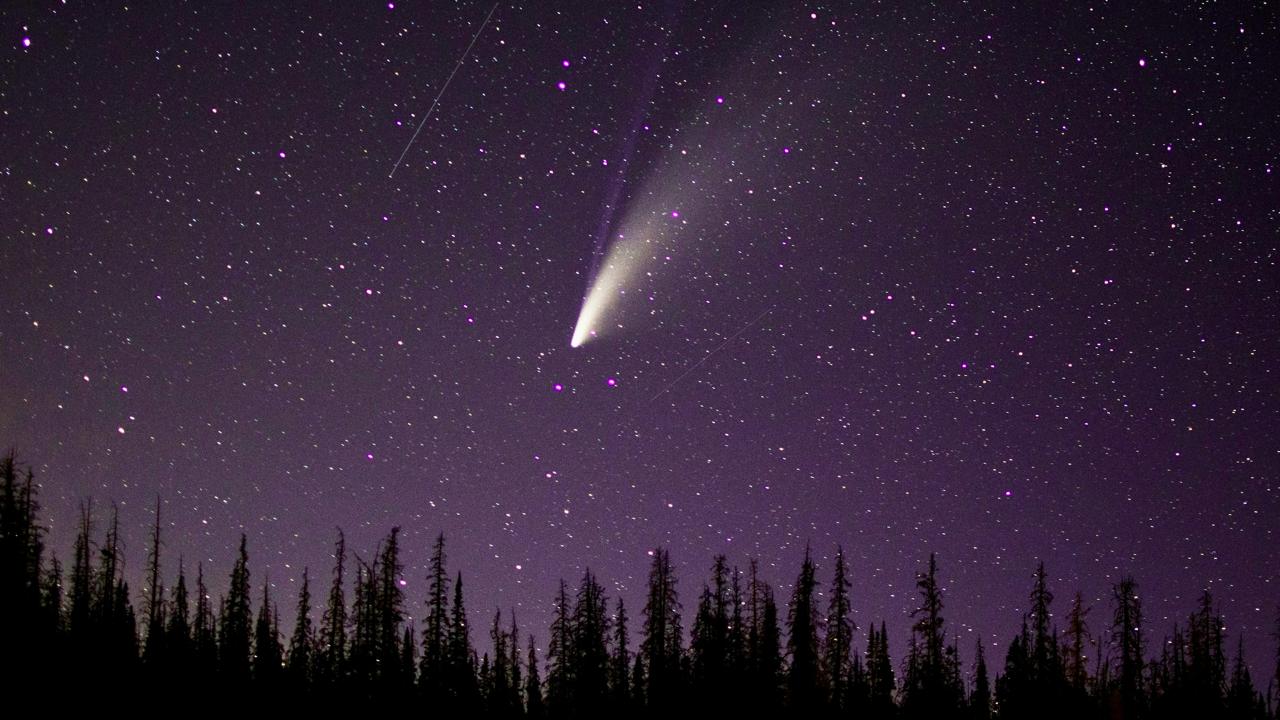
A significant astronomical discovery has emerged from the 3I/ATLAS observatory, revealing an extraordinary X-ray cloud that stretches approximately 250,000 miles. This finding has left scientists intrigued, as it challenges existing understanding of cosmic phenomena. The data was collected by the X-Ray Imaging and Spectroscopy Mission (XRISM), a collaboration between JAXA, NASA, and ESA, while observing the interstellar comet 3I/ATLAS, which is currently passing through our solar system.
The observations indicate an unusual X-ray emission surrounding the comet, marking the first confirmed detection of X-rays from an interstellar object. Researchers are analyzing how 3I/ATLAS interacts with the solar wind, as the comet is expected to exit the solar system in 2024. The urgency of this study stems from the comet’s brief visit, prompting global efforts to gather as much data as possible before its departure.
Significant Discoveries and Implications
The X-ray cloud, observed by XRISM, consists of a faint emission that extends outwards to approximately 400,000 kilometers from the comet’s nucleus. According to astrophysicist Avi Loeb, who detailed the findings in a recent blog post, “The new X-ray image spans a projected square of 3 million kilometres on a side around 3I/ATLAS.” Prior to this discovery, the comet had only been detected through ultraviolet, visible, infrared, submillimeter, and radio wavelengths.
Officials from XRISM explained that while natural comets typically do not emit X-rays, the unique characteristics of 3I/ATLAS seem to disrupt this norm. The comet emits gas as sunlight warms its surface, forming a cloud that interacts with the solar wind. This interaction may lead to charge-exchange reactions, resulting in the observed X-ray emissions. Researchers suspect that the glow could be attributed to a scattered gas cloud, which grows as the comet releases material.
Future Research Directions
Despite these exciting findings, experts caution that the X-ray formation might not solely originate from the comet itself. Potential equipment influences, such as vignetting or detector noise, could create misleading shapes resembling emissions. Thus, meticulous examination is required to confirm the sources of the observed data.
Ongoing investigations into 3I/ATLAS remain a top priority for the XRISM team. Scientists plan to further explore the charge-exchange reactions and the relationship between the comet’s gas emissions and solar wind activity. They aim to determine the gas cloud’s dimensions and the nature of the X-ray release pattern, as well as compare 3I/ATLAS’s behavior with that of comets from within the solar system.
As the comet nears its exit from the solar system, international research teams are coordinating additional observations. The opportunity to study this interstellar visitor is exceptional, and the insights gained could enhance understanding of the composition and behavior of celestial bodies traversing multiple star systems.
With ongoing commitment, XRISM will continue to monitor 3I/ATLAS whenever conditions allow. The mission is organizing follow-up observations to verify whether the observed glow aligns with charge-exchange patterns noted in other comets. This research is expected to significantly contribute to the field of astronomy, providing a clearer picture of how interstellar objects respond to solar phenomena.

Environmental Dispute in Montenegro Sparks Political Tensions

Leapmotor Launches B10 SUV in the UK, Prepares C10 REEV

Together For Palestine Launches Charity Single ‘LULLABY’ for Aid

New Look Offers Stylish Satin Bubble Hem Top at £15.59

Protests Erupt Over Wastewater Plant in Montenegro’s Capital

Council Deliberates Visitor Levy Legislation Following Consultation

An Suidhe Wind Farm Community Fund Distributes £500,000 in Grants

Council Faces Backlash Over Failed Motion Amid Budget Crisis

Taynuilt Community Choir Celebrates Debut with Sold-Out Concert

Neurologist Warns Excessive Use of Supplements Can Harm Brain

Fiona Phillips’ Husband Shares Heartfelt Update on Her Alzheimer’s Journey

Brian Cox Addresses Claims of Alien Probe in 3I/ATLAS Discovery

NASA Investigates Unusual Comet 3I/ATLAS; New Findings Emerge

Scientists Examine 3I/ATLAS: Alien Artifact or Cosmic Oddity?

Lewis Cope Addresses Accusations of Dance Training Advantage

Kerry Katona Discusses Future Baby Plans and Brian McFadden’s Wedding

NASA Investigates Speedy Object 3I/ATLAS, Sparking Speculation

Emmerdale Faces Tension as Dylan and April’s Lives Hang in the Balance
-
 Health3 months ago
Neurologist Warns Excessive Use of Supplements Can Harm Brain
-
 Health4 months ago
Fiona Phillips’ Husband Shares Heartfelt Update on Her Alzheimer’s Journey
-
 Science2 months ago
Brian Cox Addresses Claims of Alien Probe in 3I/ATLAS Discovery
-
 Science2 months ago
NASA Investigates Unusual Comet 3I/ATLAS; New Findings Emerge
-
 Science2 months ago
Scientists Examine 3I/ATLAS: Alien Artifact or Cosmic Oddity?
-
 Entertainment2 months ago
Lewis Cope Addresses Accusations of Dance Training Advantage
-
 Entertainment5 months ago
Kerry Katona Discusses Future Baby Plans and Brian McFadden’s Wedding
-
 Science2 months ago
NASA Investigates Speedy Object 3I/ATLAS, Sparking Speculation
-
 Entertainment5 months ago
Emmerdale Faces Tension as Dylan and April’s Lives Hang in the Balance
-

 World3 months ago
Cole Palmer’s Cryptic Message to Kobbie Mainoo Following Loan Talks
-

 World4 weeks ago
Bailey and Rebecca Announce Heartbreaking Split After MAFS Reunion
-
 Science2 months ago
NASA Scientists Explore Origins of 3I/ATLAS, a Fast-Moving Visitor