
Business
UK Government Borrowing Surges to £11.7 Billion in November

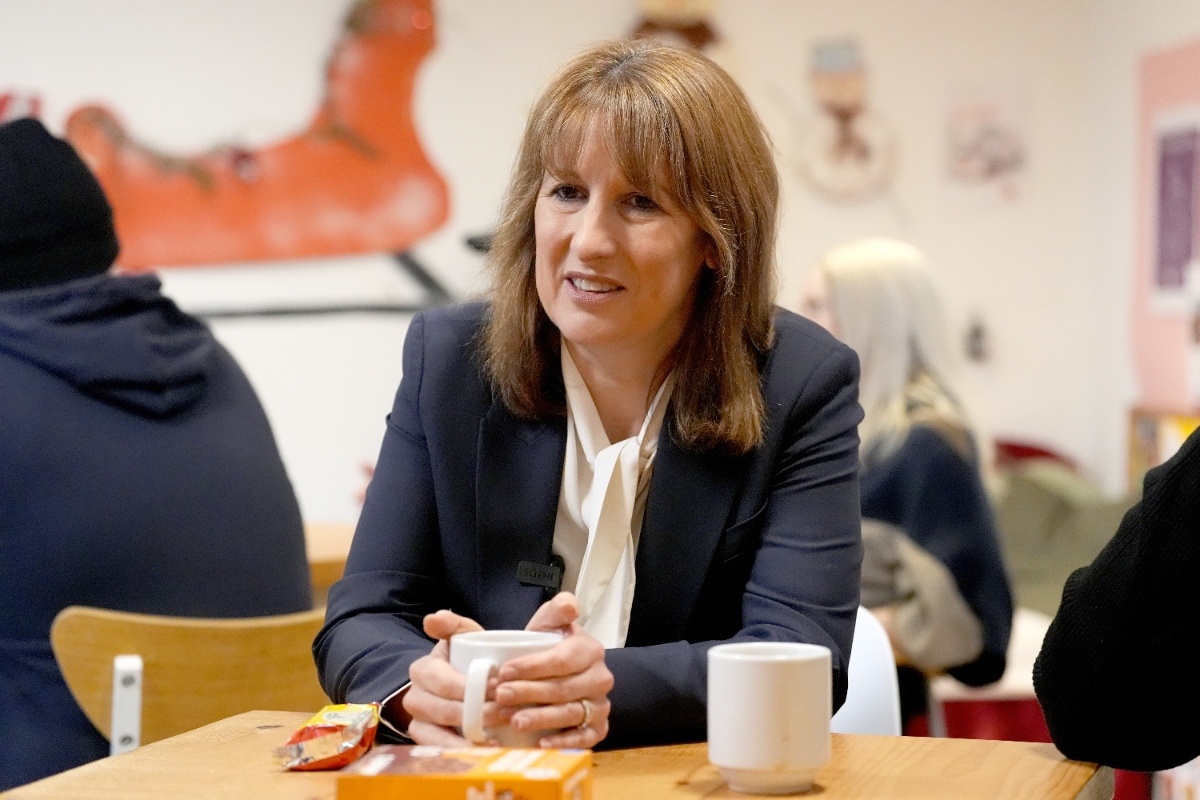
Public sector borrowing in the UK reached £11.7 billion in November, surpassing expectations yet still showing a year-on-year decline. The Office for National Statistics (ONS) reported that economists had predicted borrowing would total around £10.2 billion for the month. Despite the increase, this figure represents the lowest borrowing amount for November in four years and is £1.9 billion lower than in the same month last year.
The increase in borrowing was primarily attributed to a significant rise in tax receipts, particularly national insurance contributions. This surge followed Rachel Reeves’s first Autumn Budget, which included a hike in employer contributions. For the entirety of the financial year, borrowing for 2025 has exceeded the previous year’s figures, with total borrowing reaching £116.8 billion, nearly £10 billion higher than forecasts from the Office for Budget Responsibility (OBR).
Market Reactions to Budget Proposals
November proved to be a turbulent month for borrowing costs, largely due to uncertainty surrounding Rachel Reeves’s Autumn Budget. Early in the month, speculation suggested that the Chancellor might increase income tax by 2 pence while simultaneously cutting national insurance by the same amount. Such a move would contravene Labour’s pledge not to raise taxes on “working people,” raising concerns about a potential £30 billion fiscal shortfall.
On November 14, 2023, a briefing to the Financial Times revealed that Reeves abandoned plans for the income tax hike, leading to significant market jitters. The yield on 10-year UK gilts, a key indicator of government borrowing costs, rose by 13 basis points to 4.57 percent, marking the largest increase since Reeves faced a moment of emotional vulnerability in the House of Commons.
Following the policy shift, the government claimed the change was due to “better than expected” forecasts from the OBR. Nevertheless, this decision faced criticism, with some accusing Reeves of misleading the public. Many argued that she had prior knowledge of these forecasts before suggesting the income tax increase.
In her Budget announcement, Reeves opted to freeze the income tax threshold, a decision perceived by many as a breach of Labour’s manifesto commitment against raising income tax. This move has sparked further debate about the government’s fiscal strategy and its implications for the broader economy.
As the UK navigates these financial challenges, the impact of government borrowing on public services and economic growth remains a crucial topic for policymakers and citizens alike.

Complexities of Identity: Language and Nationality in Montenegro

UK Government Borrowing Surges to £11.7 Billion in November

The Trews Reflect on Milestones and New Album Release

Avoid These 12 Christmas Cooking Mistakes to Prevent Food Poisoning

Controversy Surrounds Language and Infrastructure in Montenegro

Controversy Erupts Over ‘Trump-Kennedy Center’ Rebrand Announcement

Somalia Faces Political Crisis Ahead of 2026 Elections

Stop Nuisance Calls and Texts: How to Block Them for Free

Community Mourns the Loss of Rob Reiner and Michele

Neurologist Warns Excessive Use of Supplements Can Harm Brain

Fiona Phillips’ Husband Shares Heartfelt Update on Her Alzheimer’s Journey

Andrew Pierce Confirms Departure from ITV’s Good Morning Britain

Brian Cox Addresses Claims of Alien Probe in 3I/ATLAS Discovery

NASA Investigates Unusual Comet 3I/ATLAS; New Findings Emerge

Scientists Examine 3I/ATLAS: Alien Artifact or Cosmic Oddity?

Lewis Cope Addresses Accusations of Dance Training Advantage

Kerry Katona Discusses Future Baby Plans and Brian McFadden’s Wedding

NASA Investigates Speedy Object 3I/ATLAS, Sparking Speculation
-
 Health3 months ago
Neurologist Warns Excessive Use of Supplements Can Harm Brain
-
 Health4 months ago
Fiona Phillips’ Husband Shares Heartfelt Update on Her Alzheimer’s Journey
-
 Entertainment1 week ago
Andrew Pierce Confirms Departure from ITV’s Good Morning Britain
-
 Science2 months ago
Brian Cox Addresses Claims of Alien Probe in 3I/ATLAS Discovery
-
 Science2 months ago
NASA Investigates Unusual Comet 3I/ATLAS; New Findings Emerge
-
 Science2 months ago
Scientists Examine 3I/ATLAS: Alien Artifact or Cosmic Oddity?
-
 Entertainment2 months ago
Lewis Cope Addresses Accusations of Dance Training Advantage
-
 Entertainment5 months ago
Kerry Katona Discusses Future Baby Plans and Brian McFadden’s Wedding
-
 Science2 months ago
NASA Investigates Speedy Object 3I/ATLAS, Sparking Speculation
-

 Entertainment5 months ago
Emmerdale Faces Tension as Dylan and April’s Lives Hang in the Balance
-

 World3 months ago
Cole Palmer’s Cryptic Message to Kobbie Mainoo Following Loan Talks
-

 World1 month ago
Bailey and Rebecca Announce Heartbreaking Split After MAFS Reunion