
Business
UK Government Borrowing Surges to £11.7 Billion in November

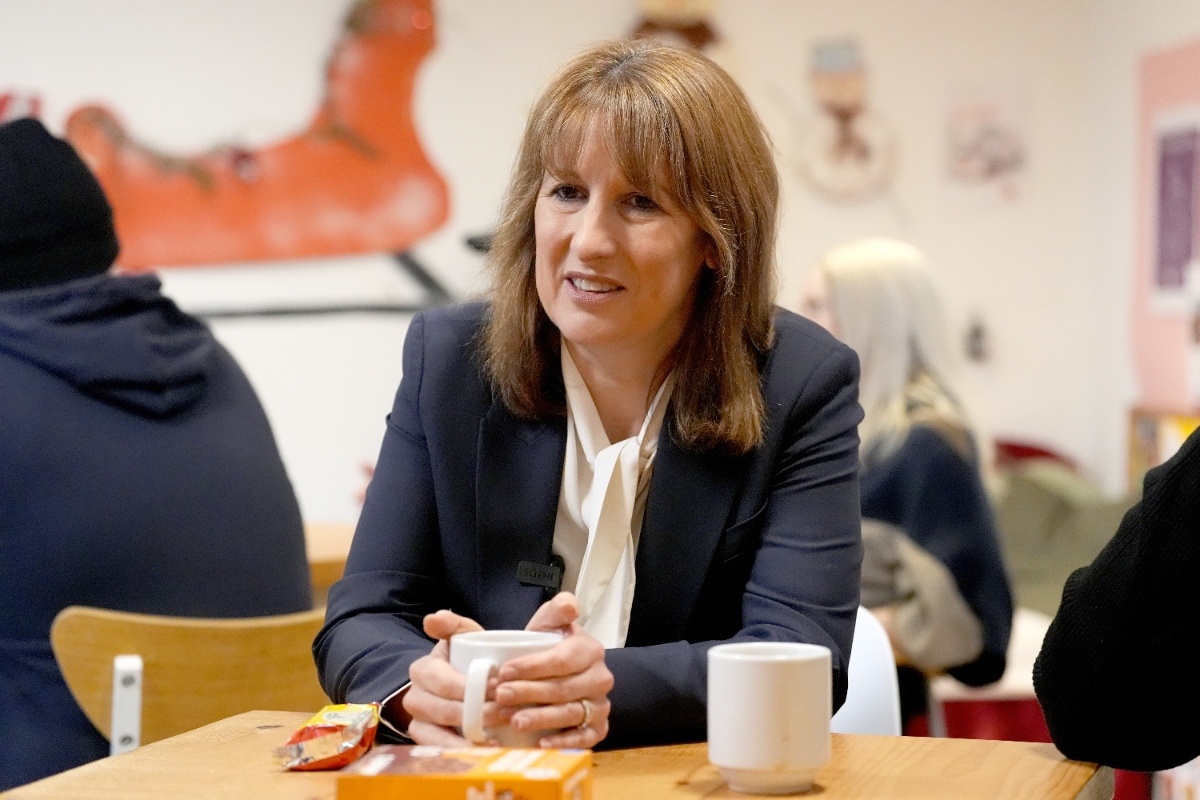
Public sector borrowing in the UK reached £11.7 billion in November, surpassing expectations yet still showing a year-on-year decline. The Office for National Statistics (ONS) reported that economists had predicted borrowing would total around £10.2 billion for the month. Despite the increase, this figure represents the lowest borrowing amount for November in four years and is £1.9 billion lower than in the same month last year.
The increase in borrowing was primarily attributed to a significant rise in tax receipts, particularly national insurance contributions. This surge followed Rachel Reeves’s first Autumn Budget, which included a hike in employer contributions. For the entirety of the financial year, borrowing for 2025 has exceeded the previous year’s figures, with total borrowing reaching £116.8 billion, nearly £10 billion higher than forecasts from the Office for Budget Responsibility (OBR).
Market Reactions to Budget Proposals
November proved to be a turbulent month for borrowing costs, largely due to uncertainty surrounding Rachel Reeves’s Autumn Budget. Early in the month, speculation suggested that the Chancellor might increase income tax by 2 pence while simultaneously cutting national insurance by the same amount. Such a move would contravene Labour’s pledge not to raise taxes on “working people,” raising concerns about a potential £30 billion fiscal shortfall.
On November 14, 2023, a briefing to the Financial Times revealed that Reeves abandoned plans for the income tax hike, leading to significant market jitters. The yield on 10-year UK gilts, a key indicator of government borrowing costs, rose by 13 basis points to 4.57 percent, marking the largest increase since Reeves faced a moment of emotional vulnerability in the House of Commons.
Following the policy shift, the government claimed the change was due to “better than expected” forecasts from the OBR. Nevertheless, this decision faced criticism, with some accusing Reeves of misleading the public. Many argued that she had prior knowledge of these forecasts before suggesting the income tax increase.
In her Budget announcement, Reeves opted to freeze the income tax threshold, a decision perceived by many as a breach of Labour’s manifesto commitment against raising income tax. This move has sparked further debate about the government’s fiscal strategy and its implications for the broader economy.
As the UK navigates these financial challenges, the impact of government borrowing on public services and economic growth remains a crucial topic for policymakers and citizens alike.

Niksic Celebrates Cultural Legacy with Folklore Milestone

NLC Demands Urgent Wage Adjustments Amid Rising Living Costs

‘One Battle After Another’ Triumphs with Six Oscars at 98th Academy Awards

Rainy Monday in Alton Clears for Sunshine by Midweek

Residents Push for New Supermarket in Overcrowded Town

Jimmy Kimmel Critiques Trump at 98th Academy Awards Ceremony

Young People Face Job Market Challenges Due to Health Issues

Stars Shine at the 2026 Oscars: Adorable Couples Take Center Stage

Brooklyn Beckham Faces Backlash for Mother’s Day Message Snub

Andrew Pierce Confirms Departure from ITV’s Good Morning Britain

Coronation Street Reveals Audrey Roberts’ Absence Explained

Fiona Phillips’ Husband Shares Heartfelt Update on Her Alzheimer’s Journey

Neurologist Warns Excessive Use of Supplements Can Harm Brain

Gogglebox Star Helena Worthington Announces Break After Loss

Brian Cox Addresses Claims of Alien Probe in 3I/ATLAS Discovery

NASA Investigates Unusual Comet 3I/ATLAS; New Findings Emerge

EastEnders Welcomes Back Mark Fowler Jr. with New Actor

Tess Daly Honoured with MBE, Announces Departure from Strictly
-
 Entertainment5 months ago
Andrew Pierce Confirms Departure from ITV’s Good Morning Britain
-
 Entertainment2 months ago
Coronation Street Reveals Audrey Roberts’ Absence Explained
-
 Health8 months ago
Fiona Phillips’ Husband Shares Heartfelt Update on Her Alzheimer’s Journey
-
 Health8 months ago
Neurologist Warns Excessive Use of Supplements Can Harm Brain
-
 Entertainment5 months ago
Gogglebox Star Helena Worthington Announces Break After Loss
-
 Science6 months ago
Brian Cox Addresses Claims of Alien Probe in 3I/ATLAS Discovery
-
 Science6 months ago
NASA Investigates Unusual Comet 3I/ATLAS; New Findings Emerge
-
 World3 months ago
EastEnders Welcomes Back Mark Fowler Jr. with New Actor
-
 Entertainment6 months ago
Tess Daly Honoured with MBE, Announces Departure from Strictly
-

 World6 months ago
EastEnders’ Nicola Mitchell Faces Life-Changing Pregnancy Twist
-

 Health8 months ago
TOWIE Couple Sophie Kasaei and Jordan Brook Pursue Fertility Treatment Abroad
-

 Entertainment8 months ago
Major Cast Changes at Coronation Street: Exits and Returns in 2025