
Lifestyle
Controversy Surrounds Language and Infrastructure in Montenegro

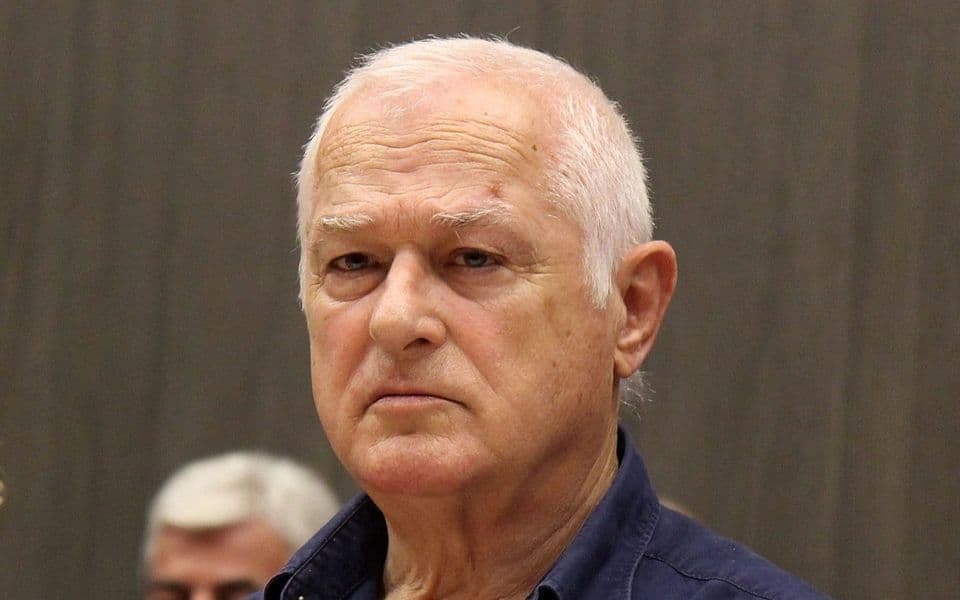
In Montenegro, discussions surrounding the management of wastewater treatment systems and the complexities of national identity have emerged as pressing issues. The focus on these topics has intensified, drawing attention from various analysts and political figures, some of whom lack the necessary expertise. This dynamic reflects the democratic aspirations of the populace but raises significant concerns about the implications for the nation’s governance and societal cohesion.
The situation regarding the wastewater collector in Zeta has escalated to such an extent that comparisons are being drawn to the ongoing conflict in Ukraine. Questions arise about who is genuinely equipped to address these issues: are they being handled by well-meaning experts, or are they obstructed by those lacking knowledge? Solutions seem straightforward; as previously outlined in various reports, implementing modern equipment for wastewater treatment could resolve many concerns. Yet, local skepticism persists, leading to a frustrating standstill where decisions are influenced by those without relevant technical knowledge.
Parallel to this is the evolving discourse around language and national identity in Montenegro. The intricacies of language are often oversimplified, yet they carry profound implications for both identity and governance. The demographic shifts observed in recent census data highlight the fluidity of national identity. For instance, the percentage of individuals identifying as Crnogorci has decreased by 16.8%, while those identifying as Srbi has grown by 19.4%. These changes are not merely statistical; they reflect a deeper societal transformation that is often overlooked.
The resignation of the chairperson of the commission overseeing the census data collection due to irregularities has only added to the controversy. Despite these challenges, authorities have proceeded to validate the results, raising questions about the reliability of the data. As the nation grapples with these shifts, it becomes clear that further analysis and patience are required before making any constitutional changes regarding language and identity.
In understanding these complex issues, it is crucial to differentiate between language and nationality. Language serves as a means of communication, while nationality denotes one’s allegiance to a state or nation. Many countries, including Switzerland and Canada, showcase diverse linguistic landscapes while maintaining a unified national identity. For instance, Switzerland recognizes multiple official languages, yet all citizens identify as Swiss.
Montenegro’s linguistic situation is similarly complex. The recognition of the Montenegrin language by the International Organization for Standardization (ISO 639-3) signifies its status as a standardized language, complete with an official grammar and orthography. This acknowledgment reinforces Montenegrin as a vital part of national identity, even as it shares similarities with Serbian, Bosnian, and Croatian.
The presence of numerous Turkish loanwords in both Montenegrin and Serbian illustrates the dynamic nature of language as it adapts to historical contexts. Words such as kafa (coffee), burek (a type of pastry), and tavan (ceiling) demonstrate the linguistic intertwining that has occurred over centuries. Such examples challenge the notion that language alone can define national identity.
As Montenegro navigates the complexities of its identity and infrastructure, it is crucial to approach these matters with care. The potential for manipulation of linguistic issues poses a grave threat to both the economy and the cultural fabric of the nation. The involvement of political leaders in redefining identities can lead to further fragmentation within the society.
The urgency surrounding these topics is underscored by the calls for a thorough reassessment of both language and national identity. Advocates for stability argue that the nation should wait for additional census results before making sweeping changes to its constitution. The belief is that those who have altered their national identity once may do so again, underscoring the need for vigilance in how identity is constructed and expressed.
Montenegro stands at a crossroads, with its language and identity being scrutinized under the microscope of political and social change. Understanding the distinction between language and nationality is essential for fostering a cohesive society in which diversity is embraced rather than exploited. As the nation continues to evolve, it must prioritize the preservation of its cultural integrity while ensuring that its administrative processes align with the realities of its people.

Complexities of Identity: Language and Nationality in Montenegro

UK Government Borrowing Surges to £11.7 Billion in November

The Trews Reflect on Milestones and New Album Release

Avoid These 12 Christmas Cooking Mistakes to Prevent Food Poisoning

Controversy Surrounds Language and Infrastructure in Montenegro

Controversy Erupts Over ‘Trump-Kennedy Center’ Rebrand Announcement

Somalia Faces Political Crisis Ahead of 2026 Elections

Stop Nuisance Calls and Texts: How to Block Them for Free

Community Mourns the Loss of Rob Reiner and Michele

Neurologist Warns Excessive Use of Supplements Can Harm Brain

Fiona Phillips’ Husband Shares Heartfelt Update on Her Alzheimer’s Journey

Andrew Pierce Confirms Departure from ITV’s Good Morning Britain

Brian Cox Addresses Claims of Alien Probe in 3I/ATLAS Discovery

NASA Investigates Unusual Comet 3I/ATLAS; New Findings Emerge

Scientists Examine 3I/ATLAS: Alien Artifact or Cosmic Oddity?

Lewis Cope Addresses Accusations of Dance Training Advantage

Kerry Katona Discusses Future Baby Plans and Brian McFadden’s Wedding

NASA Investigates Speedy Object 3I/ATLAS, Sparking Speculation
-
 Health3 months ago
Neurologist Warns Excessive Use of Supplements Can Harm Brain
-
 Health4 months ago
Fiona Phillips’ Husband Shares Heartfelt Update on Her Alzheimer’s Journey
-
 Entertainment1 week ago
Andrew Pierce Confirms Departure from ITV’s Good Morning Britain
-
 Science2 months ago
Brian Cox Addresses Claims of Alien Probe in 3I/ATLAS Discovery
-
 Science2 months ago
NASA Investigates Unusual Comet 3I/ATLAS; New Findings Emerge
-
 Science2 months ago
Scientists Examine 3I/ATLAS: Alien Artifact or Cosmic Oddity?
-
 Entertainment2 months ago
Lewis Cope Addresses Accusations of Dance Training Advantage
-
 Entertainment5 months ago
Kerry Katona Discusses Future Baby Plans and Brian McFadden’s Wedding
-
 Science2 months ago
NASA Investigates Speedy Object 3I/ATLAS, Sparking Speculation
-

 Entertainment5 months ago
Emmerdale Faces Tension as Dylan and April’s Lives Hang in the Balance
-

 World3 months ago
Cole Palmer’s Cryptic Message to Kobbie Mainoo Following Loan Talks
-

 World1 month ago
Bailey and Rebecca Announce Heartbreaking Split After MAFS Reunion