
Top Stories
Complexities of Identity: Language and Nationality in Montenegro

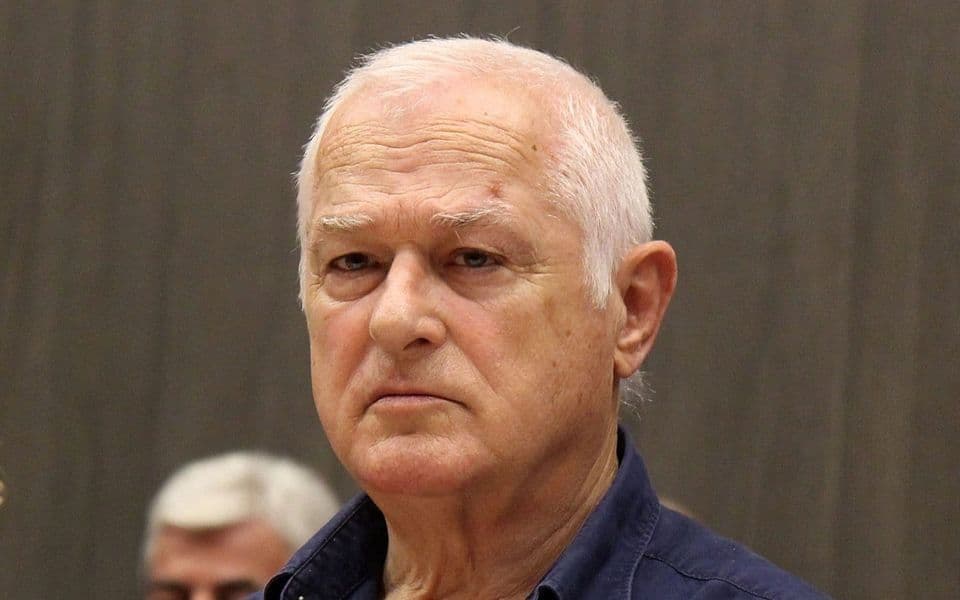
The ongoing debates surrounding language and national identity in Montenegro have become increasingly intense, particularly in the Zeta region. These discussions, while fundamentally different in nature, share underlying causes and principles that merit examination. As various analysts and political commentators engage in this discourse, the democratic essence of the country is being tested, revealing both opportunities and challenges.
Understanding the “identity of the collector in Zeta” has sparked significant energy and commitment from numerous stakeholders, leading to discussions that echo the severity of conflicts seen elsewhere, such as the war in Ukraine. A critical question arises: are those addressing these topics genuinely knowledgeable and well-intentioned, or are they being overshadowed by those lacking expertise?
The solution to the wastewater treatment issue in the Zeta area is straightforward. As previously articulated in local media, the installation of modern treatment facilities would resolve the problem. Yet, local resistance persists, with skeptics not trusting experts who could implement effective solutions. This reluctance to accept professional advice parallels the ongoing discussions surrounding language and national identity in Montenegro.
Language and National Identity in Montenegro
The concepts of language and nationhood are particularly fluid in Montenegro. The 2021 census revealed some striking statistics: the number of Montenegrins decreased by 16.8%, while the number of Serbs increased by 19.4%. These shifts raise questions about the stability of national identity. Notably, the head of the census verification committee resigned amid allegations of irregularities, yet the data was still validated by authorities.
The dynamics of nationality in Montenegro are further complicated by the identities that individuals claim. For instance, many leaders, once identifying as Montenegrins, now publicly identify as Serbs. This fluidity suggests that national identity may be more susceptible to change than previously thought.
Such transformations warrant patience. It may take several more censuses to stabilize the percentages of language and national identity, as history shows that those who have switched identities may do so again.
The Role of Language in National Identity
It is crucial to understand that language and nationality are not synonymous. Nationality pertains to one’s affiliation with a state or nation, while language refers to the means of communication. For example, in Switzerland, citizens speak multiple official languages yet maintain a unified national identity.
In Canada, residents may communicate in either English or French and still identify as Canadians. Similarly, in Australia, the official language is English, but citizens identify as Australians regardless of linguistic diversity.
Despite the apparent complexity, the essence remains clear: language does not alter national identity. The laws, historical context, shared values, and symbols of a nation play a more significant role in defining identity than the language spoken.
The situation in Montenegro exemplifies how language can sometimes be weaponized to assert national identity, which can appear anachronistic when compared to other civilizations. The presence of numerous Turkish words in the Montenegrin and Serbian languages reflects the evolving nature of language as a living entity, shaped by historical contexts.
Montenegro’s language, which has been codified and recognized by the International Organization for Standardization under the code cnr, serves as a significant component of its national identity. The Montenegrin language is similar to Serbian, Bosnian, and Croatian but possesses distinct phonetic and lexical characteristics.
Conclusion: The Path Forward
The ongoing discourse regarding language and national identity in Montenegro requires a careful approach. As discussions continue, it is essential to recognize that national identity is a multifaceted construct influenced by various factors. The manipulation of language for political purposes poses a significant risk to Montenegro’s social cohesion and economic stability.
The government must navigate these complexities with caution, particularly when considering changes to the constitution or national policies. With 35 ministerial positions at stake, it is crucial to ensure that the voices of those with genuine expertise are heard. Recognizing the intricate relationship between language and identity can help foster a more inclusive and stable society in Montenegro.

Complexities of Identity: Language and Nationality in Montenegro

UK Government Borrowing Surges to £11.7 Billion in November

The Trews Reflect on Milestones and New Album Release

Avoid These 12 Christmas Cooking Mistakes to Prevent Food Poisoning

Controversy Surrounds Language and Infrastructure in Montenegro

Controversy Erupts Over ‘Trump-Kennedy Center’ Rebrand Announcement

Somalia Faces Political Crisis Ahead of 2026 Elections

Stop Nuisance Calls and Texts: How to Block Them for Free

Community Mourns the Loss of Rob Reiner and Michele

Neurologist Warns Excessive Use of Supplements Can Harm Brain

Fiona Phillips’ Husband Shares Heartfelt Update on Her Alzheimer’s Journey

Andrew Pierce Confirms Departure from ITV’s Good Morning Britain

Brian Cox Addresses Claims of Alien Probe in 3I/ATLAS Discovery

NASA Investigates Unusual Comet 3I/ATLAS; New Findings Emerge

Scientists Examine 3I/ATLAS: Alien Artifact or Cosmic Oddity?

Lewis Cope Addresses Accusations of Dance Training Advantage

Kerry Katona Discusses Future Baby Plans and Brian McFadden’s Wedding

NASA Investigates Speedy Object 3I/ATLAS, Sparking Speculation
-
 Health3 months ago
Neurologist Warns Excessive Use of Supplements Can Harm Brain
-
 Health4 months ago
Fiona Phillips’ Husband Shares Heartfelt Update on Her Alzheimer’s Journey
-
 Entertainment1 week ago
Andrew Pierce Confirms Departure from ITV’s Good Morning Britain
-
 Science2 months ago
Brian Cox Addresses Claims of Alien Probe in 3I/ATLAS Discovery
-
 Science2 months ago
NASA Investigates Unusual Comet 3I/ATLAS; New Findings Emerge
-
 Science2 months ago
Scientists Examine 3I/ATLAS: Alien Artifact or Cosmic Oddity?
-
 Entertainment2 months ago
Lewis Cope Addresses Accusations of Dance Training Advantage
-
 Entertainment5 months ago
Kerry Katona Discusses Future Baby Plans and Brian McFadden’s Wedding
-
 Science2 months ago
NASA Investigates Speedy Object 3I/ATLAS, Sparking Speculation
-

 Entertainment5 months ago
Emmerdale Faces Tension as Dylan and April’s Lives Hang in the Balance
-

 World3 months ago
Cole Palmer’s Cryptic Message to Kobbie Mainoo Following Loan Talks
-

 World1 month ago
Bailey and Rebecca Announce Heartbreaking Split After MAFS Reunion