
World
Volcanic Eruptions Linked to the Spread of the Black Death

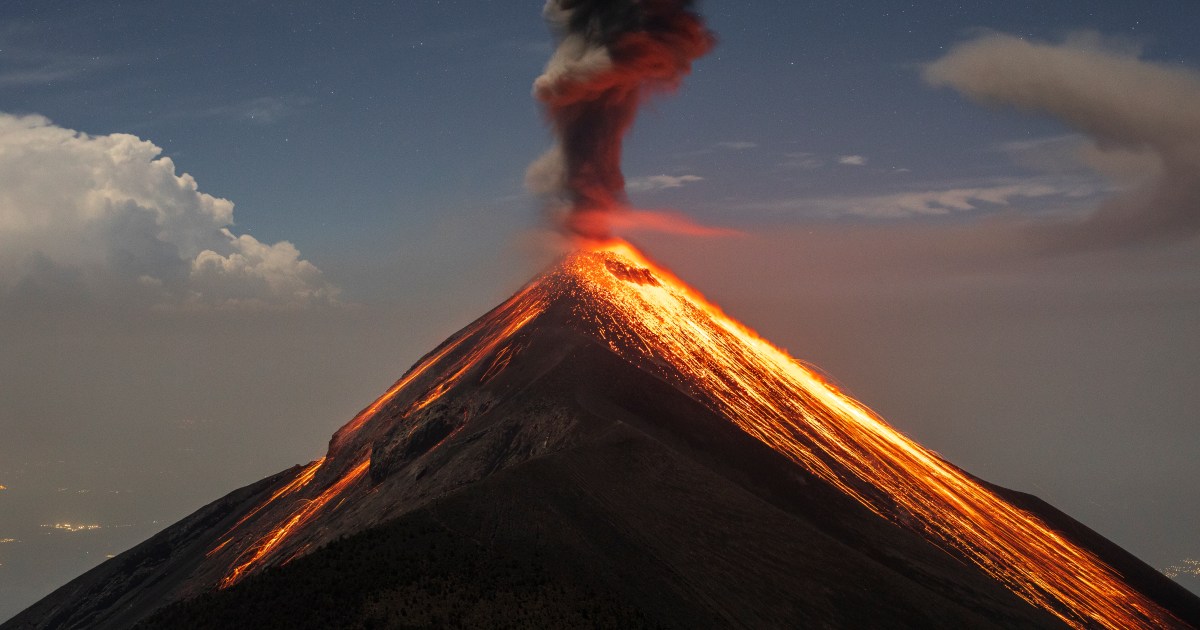
New research suggests that volcanic eruptions may have played a crucial role in the spread of the Black Death, which devastated Europe in the mid-14th century. The findings indicate that a series of eruptions, likely occurring around 1345 CE, led to unusually cold summers that caused widespread famine across the Mediterranean region. This climate disruption may have set the stage for the plague that killed approximately 60% of Europe’s population.
The study, conducted by a team of researchers including Professor Ulf Büntgen and Dr. Martin Bauch, draws on various historical records. These include tree ring growth data from eight regions in Europe, measurements of volcanic sulfur preserved in Antarctic and Greenland ice cores, and written accounts from the 14th century. The researchers discovered evidence of a significant volcanic eruption in the tropics that increased atmospheric sulfur and ash, resulting in colder and wetter conditions, particularly affecting southern Europe.
As described in their findings, the historical accounts document severe crop failures and famine across regions such as Spain, southern France, northern and central Italy, Egypt, and the Levant. The agricultural collapse prompted maritime powers in Italy to secure grain shipments from the Black Sea in 1347 CE. Although these imports mitigated immediate starvation, they may have also facilitated the introduction of plague-carrying fleas into European ports.
The timing raises critical questions about whether fleas carrying the bacterium Yersinia pestis traveled alongside the grain shipments. As these ships reached various cities, including Padua, the fleas could have accelerated the spread of the Black Death throughout Europe.
In discussing the implications of their research, Professor Büntgen expressed a long-standing curiosity about the factors behind the onset and transmission of the Black Death. He stated, “This is something I’ve wanted to understand for a long time. What were the drivers of the onset and transmission of the Black Death, and how unusual were they?”
Dr. Bauch elaborated on the interconnectedness of trade and disaster, noting that the established trade routes across the Mediterranean and the Black Sea, which had been critical for preventing starvation, inadvertently enabled a far larger catastrophe. Interestingly, the researchers also found that several Italian cities, such as Milan and Rome, were probably not affected by the Black Death due to their reduced need for grain imports after 1345.
The study posits that the combination of climatic, agricultural, societal, and economic factors following the volcanic eruptions represents an early example of the consequences of globalization. Professor Büntgen underscored the relevance of their findings to contemporary issues, remarking, “Although the coincidence of factors that contributed to the Black Death seems rare, the probability of zoonotic diseases emerging under climate change and translating into pandemics is likely to increase in a globalized world.”
The research offers a new perspective on the complex interplay of environmental and social factors that contributed to one of history’s most devastating pandemics. Understanding these connections may provide valuable insights into managing similar challenges in today’s interconnected world.

Scientists Discover Unprecedented Cosmic Explosion in Space

Knežević Criticizes Government Wastewater Plant Guarantees

Volcanic Eruptions Linked to the Spread of the Black Death

Survey Reveals Declining Confidence in UK Rail Market

Rail Market Confidence Declines as Businesses Cut Staff

Claudia Winkleman Reveals Dance Partner Preference as Farewell Nears

Thermo Fisher Scientific Launches Integrated Drug Development Services

Discover 5 Iconic Quadjets Still Flying in Commercial Aviation

Cattle Prices Surge at Draperstown Mart with Strong Demand

Neurologist Warns Excessive Use of Supplements Can Harm Brain

Fiona Phillips’ Husband Shares Heartfelt Update on Her Alzheimer’s Journey

Brian Cox Addresses Claims of Alien Probe in 3I/ATLAS Discovery

NASA Investigates Unusual Comet 3I/ATLAS; New Findings Emerge

Scientists Examine 3I/ATLAS: Alien Artifact or Cosmic Oddity?

Lewis Cope Addresses Accusations of Dance Training Advantage

Kerry Katona Discusses Future Baby Plans and Brian McFadden’s Wedding

NASA Investigates Speedy Object 3I/ATLAS, Sparking Speculation

Emmerdale Faces Tension as Dylan and April’s Lives Hang in the Balance
-
 Health3 months ago
Neurologist Warns Excessive Use of Supplements Can Harm Brain
-
 Health4 months ago
Fiona Phillips’ Husband Shares Heartfelt Update on Her Alzheimer’s Journey
-
 Science2 months ago
Brian Cox Addresses Claims of Alien Probe in 3I/ATLAS Discovery
-
 Science2 months ago
NASA Investigates Unusual Comet 3I/ATLAS; New Findings Emerge
-
 Science2 months ago
Scientists Examine 3I/ATLAS: Alien Artifact or Cosmic Oddity?
-
 Entertainment2 months ago
Lewis Cope Addresses Accusations of Dance Training Advantage
-
 Entertainment5 months ago
Kerry Katona Discusses Future Baby Plans and Brian McFadden’s Wedding
-
 Science1 month ago
NASA Investigates Speedy Object 3I/ATLAS, Sparking Speculation
-
 Entertainment4 months ago
Emmerdale Faces Tension as Dylan and April’s Lives Hang in the Balance
-

 World3 months ago
Cole Palmer’s Cryptic Message to Kobbie Mainoo Following Loan Talks
-
 Science1 month ago
NASA Scientists Explore Origins of 3I/ATLAS, a Fast-Moving Visitor
-

 Entertainment4 months ago
Major Cast Changes at Coronation Street: Exits and Returns in 2025