
Health
UK Implements New Rules to Curb Junk Food Advertising to Kids

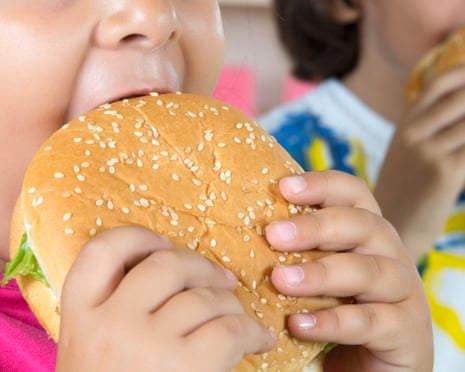
New regulations come into effect this week in the United Kingdom, aimed at protecting children from the influence of junk food advertisements. The rules prohibit marketing for processed food and drinks, including sugary soft drinks, crisps, and sweets, in online spaces. Additionally, these ads can only be broadcast on television after 9 PM.
The introduction of these measures is primarily motivated by rising rates of childhood obesity. According to the National Child Measurement Programme, the percentage of obese primary-age children in England has increased from 17.5% to 22.1% over the past two decades. Although there has been some improvement since 2020-21, when the obesity rate reached a record high, the broader trend remains alarming.
Addressing Childhood Obesity
Childhood obesity is not only a health concern; it also exacerbates social inequality. The prevalence of obesity is approximately twice as high in the most deprived areas compared to wealthier regions. This disparity highlights the need for effective public health initiatives. The new advertising restrictions aim to address the negative health outcomes associated with poor diet, such as type 2 diabetes and increased risk of stroke.
The Labour Government has emphasized the importance of narrowing the gaps that limit opportunities for disadvantaged children. It is crucial for the government to prioritize public health measures that promote healthier lifestyles among youth. While there has been significant public discourse around weight-loss drugs, these treatments have only been accessible to a small number of severely obese children in the UK. Consequently, the focus must remain on prevention and the promotion of healthy eating habits.
Concerns Over Industry Influence
Despite the positive steps taken, charities like Sustain have expressed concerns about concessions made during the regulatory process, citing industry lobbying as a potential threat to public health. For instance, the allowance for brand advertising—as long as specific products are not showcased—has raised eyebrows among advocates for better nutrition. Last year saw a surge in snack food sales, and advertising spending on less regulated platforms, such as billboards, has already increased.
While the new advertising restrictions are a welcome development, they are unlikely to eliminate childhood obesity entirely. Experts argue that such measures should have been implemented sooner. Nevertheless, they represent a positive step towards addressing a significant public health issue.
In a wealthy nation like the UK, every child deserves the opportunity to develop healthy habits that last a lifetime. The government’s commitment to reducing the influence of unhealthy food advertising is a crucial component of this broader goal.

Discover Tonight’s Waning Gibbous Moon on March 7

George Russell Claims Pole Position as Mercedes Sweeps Australian GP Qualifying

Andrew Mountbatten-Windsor Detained Amid Plans to Leave UK

Alton Weather Update: Overcast Today, Partly Cloudy Tomorrow

From Chocolates to Cannabis: A Historic Transformation in Great Barrington

Emotional Turmoil Unfolds in Emmerdale: Cain’s Cancer Revelation

Gatorade Launches Lower Sugar Line, Eliminates Artificial Colors

Peterborough Charity Trains Over 100 in Life-Saving Pediatric CPR

UK Sends More Military Support to Saudi Arabia Amid Regional Tensions

Andrew Pierce Confirms Departure from ITV’s Good Morning Britain

Fiona Phillips’ Husband Shares Heartfelt Update on Her Alzheimer’s Journey

Neurologist Warns Excessive Use of Supplements Can Harm Brain

Gogglebox Star Helena Worthington Announces Break After Loss

Brian Cox Addresses Claims of Alien Probe in 3I/ATLAS Discovery

NASA Investigates Unusual Comet 3I/ATLAS; New Findings Emerge

Tess Daly Honoured with MBE, Announces Departure from Strictly

EastEnders Welcomes Back Mark Fowler Jr. with New Actor

Bailey and Rebecca Announce Heartbreaking Split After MAFS Reunion
-
 Entertainment3 months ago
Andrew Pierce Confirms Departure from ITV’s Good Morning Britain
-
 Health6 months ago
Fiona Phillips’ Husband Shares Heartfelt Update on Her Alzheimer’s Journey
-
 Health6 months ago
Neurologist Warns Excessive Use of Supplements Can Harm Brain
-
 Entertainment3 months ago
Gogglebox Star Helena Worthington Announces Break After Loss
-
 Science5 months ago
Brian Cox Addresses Claims of Alien Probe in 3I/ATLAS Discovery
-
 Science5 months ago
NASA Investigates Unusual Comet 3I/ATLAS; New Findings Emerge
-
 Entertainment4 months ago
Tess Daly Honoured with MBE, Announces Departure from Strictly
-
 World2 months ago
EastEnders Welcomes Back Mark Fowler Jr. with New Actor
-
 World4 months ago
Bailey and Rebecca Announce Heartbreaking Split After MAFS Reunion
-

 Entertainment8 months ago
Kerry Katona Discusses Future Baby Plans and Brian McFadden’s Wedding
-

 Health1 month ago
Sue Radford Reveals Weight Loss Journey, Losing Two Stone
-

 Entertainment7 days ago
Coronation Street Reveals Audrey Roberts’ Absence Explained