
Science
Discover Tonight’s Waning Gibbous Moon on March 7

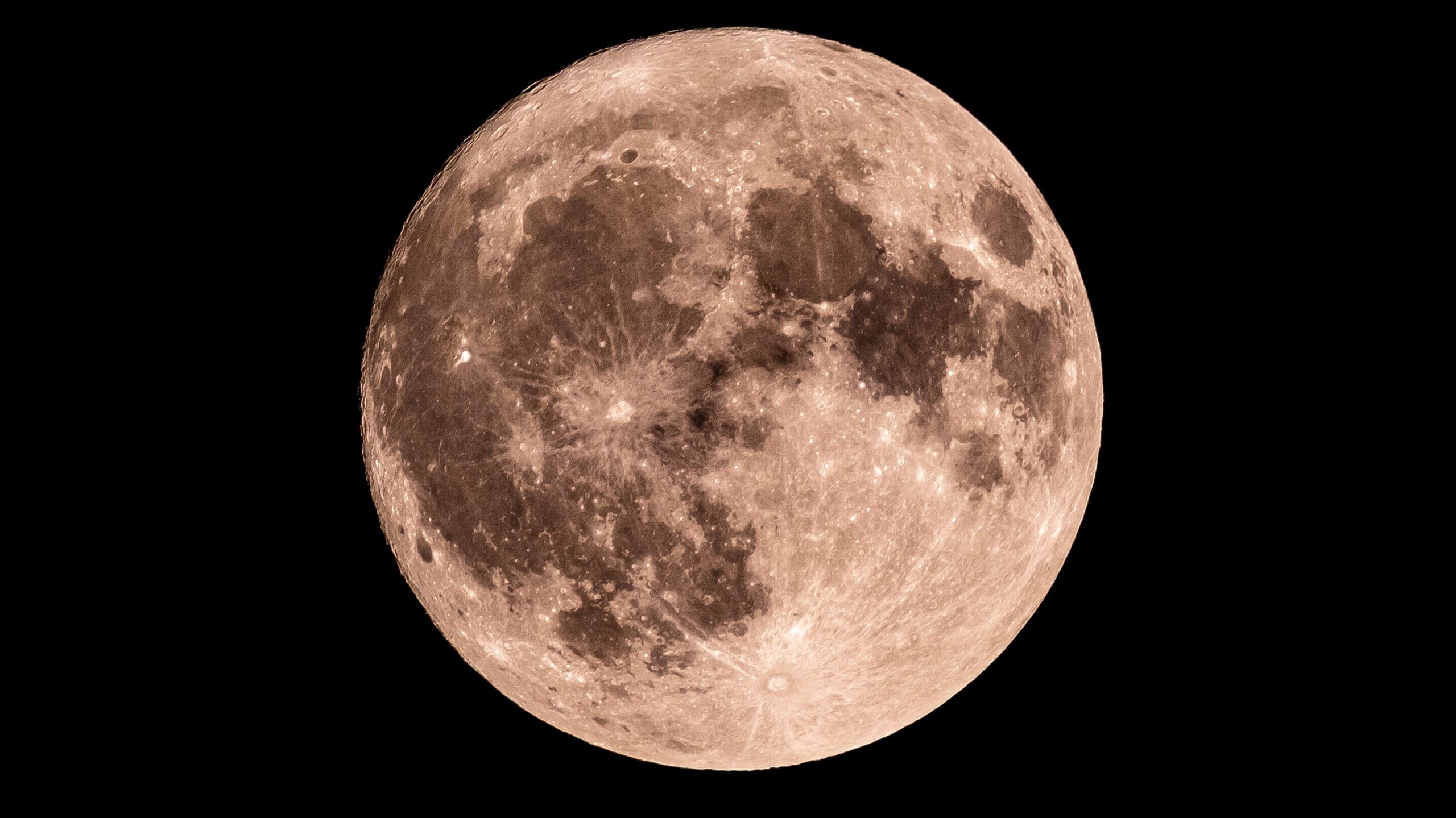
The Moon will appear as a Waning Gibbous tonight, March 7, 2024, with approximately 85% of its surface illuminated. This phase occurs as the Moon transitions from a Full Moon, gradually losing its brightness as it orbits Earth. According to NASA’s Daily Moon Guide, observers will have a chance to view notable lunar features with the naked eye, including the Aristarchus Plateau, Kepler Crater, and Tycho Crater.
For those equipped with binoculars, additional details such as the Grimaldi Basin, Gassendi Crater, and the Apennine Mountains can be observed. A telescope will enhance the experience further, allowing viewers to spot the Apollo 11 landing site and the Fra Mauro Highlands. This is an excellent opportunity for both amateur astronomers and casual skywatchers alike.
Understanding the Lunar Phases
The Moon goes through a complete cycle of phases approximately every 29.5 days, resulting in eight distinct stages of visibility. Each phase is influenced by the relative positions of the Earth, Moon, and Sun. Despite always showing the same face to Earth, the amount of sunlight illuminating the Moon changes, leading to various appearances—from full to barely visible.
The eight lunar phases are as follows:
– **New Moon**: The Moon is positioned between Earth and the Sun, rendering it invisible.
– **Waxing Crescent**: A small sliver of light starts to appear on the right side.
– **First Quarter**: Half of the Moon is illuminated on the right side, creating a half-Moon shape.
– **Waxing Gibbous**: More than half is lit, yet it is not completely full.
– **Full Moon**: The entire face of the Moon is illuminated and fully visible.
– **Waning Gibbous**: The light begins to diminish on the right side.
– **Third Quarter (or Last Quarter)**: Another half-Moon, but now the left side is lit.
– **Waning Crescent**: A thin sliver of light remains on the left side before the Moon returns to darkness.
Upcoming Lunar Events
Looking ahead, the next Full Moon will be visible in North America on April 1, 2024. As the Moon continues its journey, each phase offers unique opportunities for observation and appreciation.
This evening’s Waning Gibbous phase serves as a reminder of the ongoing celestial dance between the Earth and its natural satellite, providing a captivating spectacle for all who take the time to look up at the night sky.

Niksic Celebrates Cultural Legacy with Folklore Milestone

NLC Demands Urgent Wage Adjustments Amid Rising Living Costs

‘One Battle After Another’ Triumphs with Six Oscars at 98th Academy Awards

Rainy Monday in Alton Clears for Sunshine by Midweek

Residents Push for New Supermarket in Overcrowded Town

Jimmy Kimmel Critiques Trump at 98th Academy Awards Ceremony

Young People Face Job Market Challenges Due to Health Issues

Stars Shine at the 2026 Oscars: Adorable Couples Take Center Stage

Brooklyn Beckham Faces Backlash for Mother’s Day Message Snub

Andrew Pierce Confirms Departure from ITV’s Good Morning Britain

Coronation Street Reveals Audrey Roberts’ Absence Explained

Fiona Phillips’ Husband Shares Heartfelt Update on Her Alzheimer’s Journey

Neurologist Warns Excessive Use of Supplements Can Harm Brain

Gogglebox Star Helena Worthington Announces Break After Loss

Brian Cox Addresses Claims of Alien Probe in 3I/ATLAS Discovery

NASA Investigates Unusual Comet 3I/ATLAS; New Findings Emerge

EastEnders Welcomes Back Mark Fowler Jr. with New Actor

Tess Daly Honoured with MBE, Announces Departure from Strictly
-
 Entertainment5 months ago
Andrew Pierce Confirms Departure from ITV’s Good Morning Britain
-
 Entertainment2 months ago
Coronation Street Reveals Audrey Roberts’ Absence Explained
-
 Health8 months ago
Fiona Phillips’ Husband Shares Heartfelt Update on Her Alzheimer’s Journey
-
 Health8 months ago
Neurologist Warns Excessive Use of Supplements Can Harm Brain
-
 Entertainment5 months ago
Gogglebox Star Helena Worthington Announces Break After Loss
-
 Science7 months ago
Brian Cox Addresses Claims of Alien Probe in 3I/ATLAS Discovery
-
 Science7 months ago
NASA Investigates Unusual Comet 3I/ATLAS; New Findings Emerge
-
 World4 months ago
EastEnders Welcomes Back Mark Fowler Jr. with New Actor
-
 Entertainment6 months ago
Tess Daly Honoured with MBE, Announces Departure from Strictly
-

 Health3 months ago
Gyles Brandreth Shares Heartfelt Journey Following Grandson’s Cancer Diagnosis
-

 World6 months ago
EastEnders’ Nicola Mitchell Faces Life-Changing Pregnancy Twist
-

 Health8 months ago
TOWIE Couple Sophie Kasaei and Jordan Brook Pursue Fertility Treatment Abroad