
Health
Blood Test Can Predict Severe Liver Disease Within a Decade

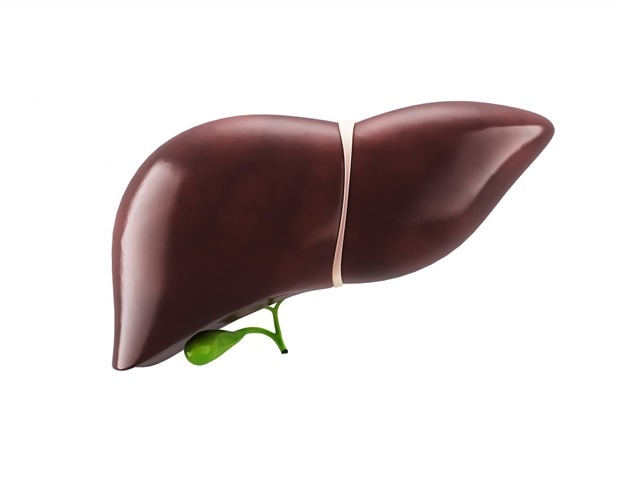
A new study from the Karolinska Institutet reveals that a simple blood analysis can predict the risk of developing severe liver disease, including cirrhosis and liver cancer. Published in the scientific journal The BMJ, this research highlights the potential for early detection and intervention in primary care settings.
Researchers, led by Rickard Strandberg and his colleague Hannes Hagström, developed a method known as the CORE model. This model assesses risk based on three routine blood tests that measure levels of liver enzymes, specifically AST, ALT, and GGT, alongside factors such as age and sex. “These diseases are becoming increasingly common and have poor prognoses if detected late,” noted Strandberg, an affiliated researcher at the Department of Medicine in Huddinge.
Effective Risk Prediction from Routine Tests
The study evaluated data from over 480,000 individuals in Stockholm who underwent health checks between 1985 and 1996. Following these participants for up to 30 years, the researchers found that approximately 1.5 percent developed severe liver diseases or required a liver transplant. The CORE model demonstrated a high accuracy rate, correctly identifying those at risk in 88 percent of cases, outperforming the currently recommended FIB-4 method.
“This model provides a critical tool for primary care, where most patients first seek medical attention,” said Hagström, who also serves as a senior consultant at Karolinska University Hospital. The model’s accessibility is enhanced by a web-based calculator available for healthcare professionals at www.core-model.com, making it easier to implement early screening for liver disease.
Future Implications and Further Research
While the CORE model shows promise, the researchers emphasize the need for further validation in high-risk groups, such as individuals with type 2 diabetes or obesity. They also advocate for integrating this model into electronic medical records to streamline its clinical application.
The study was a collaboration involving the Karolinska Institutet, Helsinki University Hospital, Helsinki University, and the Finnish Institute for Health and Welfare. Funding was provided by the Swedish Research Council, Region Stockholm (CIMED), and the Swedish Cancer Society.
Hagström highlighted his ongoing collaborations with the pharmaceutical industry regarding liver disease prognosis but clarified that none are relevant to the current study. This innovative research marks a significant advancement in the fight against severe liver diseases, aiming for timely detection and improved patient outcomes.
For more detailed information, the full study can be accessed in The BMJ, titled “Use of new CORE risk score to predict 10-year risk of liver cirrhosis in the general population: population-based cohort study.”

Niksic Celebrates Cultural Legacy with Folklore Milestone

NLC Demands Urgent Wage Adjustments Amid Rising Living Costs

‘One Battle After Another’ Triumphs with Six Oscars at 98th Academy Awards

Rainy Monday in Alton Clears for Sunshine by Midweek

Residents Push for New Supermarket in Overcrowded Town

Jimmy Kimmel Critiques Trump at 98th Academy Awards Ceremony

Young People Face Job Market Challenges Due to Health Issues

Stars Shine at the 2026 Oscars: Adorable Couples Take Center Stage

Brooklyn Beckham Faces Backlash for Mother’s Day Message Snub

Andrew Pierce Confirms Departure from ITV’s Good Morning Britain

Fiona Phillips’ Husband Shares Heartfelt Update on Her Alzheimer’s Journey

Neurologist Warns Excessive Use of Supplements Can Harm Brain

Gogglebox Star Helena Worthington Announces Break After Loss

Brian Cox Addresses Claims of Alien Probe in 3I/ATLAS Discovery

NASA Investigates Unusual Comet 3I/ATLAS; New Findings Emerge

EastEnders Welcomes Back Mark Fowler Jr. with New Actor

Coronation Street Reveals Audrey Roberts’ Absence Explained

Tess Daly Honoured with MBE, Announces Departure from Strictly
-
 Entertainment4 months ago
Andrew Pierce Confirms Departure from ITV’s Good Morning Britain
-
 Health8 months ago
Fiona Phillips’ Husband Shares Heartfelt Update on Her Alzheimer’s Journey
-
 Health7 months ago
Neurologist Warns Excessive Use of Supplements Can Harm Brain
-
 Entertainment4 months ago
Gogglebox Star Helena Worthington Announces Break After Loss
-
 Science6 months ago
Brian Cox Addresses Claims of Alien Probe in 3I/ATLAS Discovery
-
 Science6 months ago
NASA Investigates Unusual Comet 3I/ATLAS; New Findings Emerge
-
 World3 months ago
EastEnders Welcomes Back Mark Fowler Jr. with New Actor
-
 Entertainment2 months ago
Coronation Street Reveals Audrey Roberts’ Absence Explained
-
 Entertainment5 months ago
Tess Daly Honoured with MBE, Announces Departure from Strictly
-

 World5 months ago
EastEnders’ Nicola Mitchell Faces Life-Changing Pregnancy Twist
-

 Health8 months ago
TOWIE Couple Sophie Kasaei and Jordan Brook Pursue Fertility Treatment Abroad
-

 World5 months ago
Bailey and Rebecca Announce Heartbreaking Split After MAFS Reunion