
Health
Innovative Urine Tests Set to Transform Women’s Health in Wales

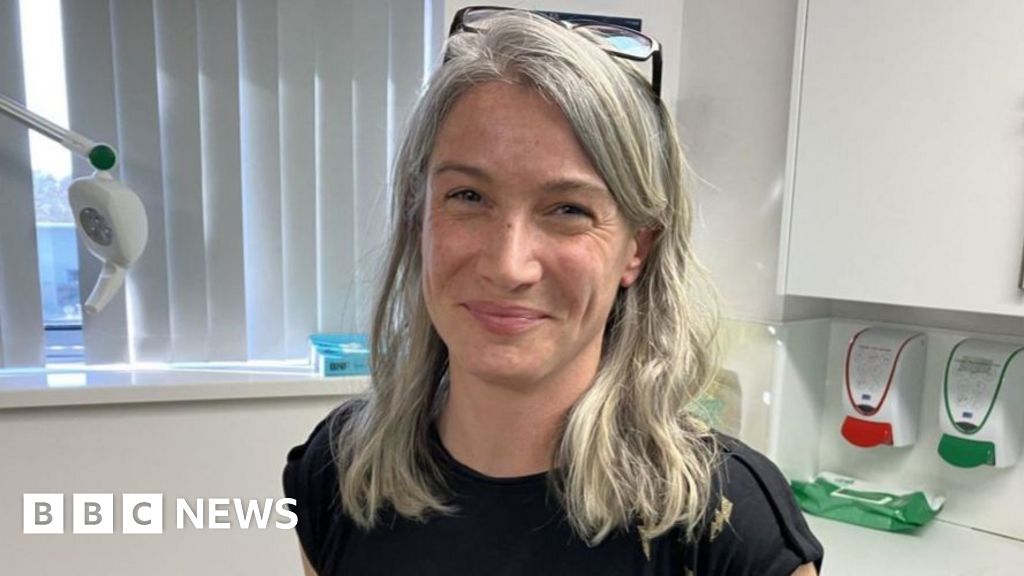
Groundbreaking urine tests are under development in Wales that could revolutionize the early detection of breast cancer, endometriosis, and polycystic ovary syndrome (PCOS). Researchers aim to unveil a prototype kit within the next year that utilizes lateral flow urine samples for detecting early-stage breast cancer. This innovation could significantly reduce diagnostic waiting times and enhance accessibility for women seeking prompt health assessments.
Advancements in Diagnostic Technology
Prof Luis Mur from Aberystwyth University highlights that critical changes in urine samples can indicate the presence of breast cancer “with a high degree of accuracy.” The new at-home tests are designed to complement existing diagnostic tools, allowing women to either perform the test at home or visit their general practitioner. Mur stated, “We’ve found very important changes in urine to tell you’ve got breast cancer, and even [which] stage of breast cancer.”
In addition to breast cancer, researchers are now exploring similar diagnostic methods for endometriosis and PCOS, conditions that often suffer from prolonged diagnosis times. Mur emphasized the urgency of these projects, noting the potential for improved patient experiences in managing their health.
The breast cancer testing kits are part of a broader initiative funded by the Welsh Government’s £75 million investment into women’s health research, aimed at implementing a comprehensive women’s health plan. Mur explained that the development process for these lateral flow prototypes could take up to 18 months, followed by a testing phase lasting three to five years. The goal is to achieve a diagnostic accuracy of 90% or greater, ensuring reliability for users.
Transforming Women’s Health Services
Dr Helen Munro, clinical lead for women’s health in Wales, expressed the ambition of the Women’s Health Research Centre to integrate research findings into clinical practice swiftly. “Currently, there’s evidence to suggest it takes 17 years for evidence to get into practice. But what we’re doing in Wales is working really closely with our academic universities and health boards to shorten that gap,” she explained.
The ten-year women’s health plan, published in December 2024, outlines ambitions for establishing women’s health hubs in each health board across Wales. By the end of this month, every health board will have at least one hub serving the community, although Munro noted that each hub will have a unique structure to meet local needs.
In the west and mid Wales regions, the Hywel Dda Health Board has divided its area into seven GP clusters, each equipped to provide specialized women’s health services. GPs within these clusters receive training to deliver menopause and contraceptive care, facilitating timely referrals and reducing the burden on secondary care services.
Dr Lauren Thomas, a sexual health doctor, emphasized the importance of community-based clinics in providing necessary care. “As a GP, I see women wait months to see gynae [specialists] because the secondary care service has to prioritize suspected cancer cases,” she noted. The establishment of these hubs aims to alleviate delays, allowing women to receive timely assessments and treatments for conditions such as pelvic pain and endometriosis.
The Welsh Government, through Sarah Murphy MS, minister responsible for women’s health, is committed to addressing existing disparities in health care access. “Each health board is starting from different places. They’re trying to fill in the gaps, breaking down the barriers for each of those locations and communities,” she stated. A system of evaluation will be implemented to ensure effective practices are shared across Wales, enhancing overall women’s health care.
The advancements in urine testing and the establishment of dedicated health services signify a pivotal moment in addressing women’s health issues in Wales, promising to enhance early diagnosis and treatment accessibility for vital health conditions.

EU Delays Montenegro’s Accession Talks Amid Concerns Over Democracy

Evervault Secures €21M to Enhance Payment Data Encryption

Primorac Triumphs Over Jug in Thrilling Euro Cup Clash

Iran Criticizes UN and EU for Inaction in Middle East Crisis

Light Rain and Overcast Skies Expected in Alton This Weekend

European Fintech Landscape Shifts: Key Angel Investors Revealed

Examining the Enduring Legacy of ‘American Psycho’ and Its Impact

Innovative Urine Tests Set to Transform Women’s Health in Wales

Trump Honors Lionel Messi and Inter Miami at White House Celebration

Andrew Pierce Confirms Departure from ITV’s Good Morning Britain

Fiona Phillips’ Husband Shares Heartfelt Update on Her Alzheimer’s Journey

Neurologist Warns Excessive Use of Supplements Can Harm Brain

Gogglebox Star Helena Worthington Announces Break After Loss

Brian Cox Addresses Claims of Alien Probe in 3I/ATLAS Discovery

NASA Investigates Unusual Comet 3I/ATLAS; New Findings Emerge

Tess Daly Honoured with MBE, Announces Departure from Strictly

EastEnders Welcomes Back Mark Fowler Jr. with New Actor

Bailey and Rebecca Announce Heartbreaking Split After MAFS Reunion
-
 Entertainment3 months ago
Andrew Pierce Confirms Departure from ITV’s Good Morning Britain
-
 Health6 months ago
Fiona Phillips’ Husband Shares Heartfelt Update on Her Alzheimer’s Journey
-
 Health6 months ago
Neurologist Warns Excessive Use of Supplements Can Harm Brain
-
 Entertainment3 months ago
Gogglebox Star Helena Worthington Announces Break After Loss
-
 Science5 months ago
Brian Cox Addresses Claims of Alien Probe in 3I/ATLAS Discovery
-
 Science5 months ago
NASA Investigates Unusual Comet 3I/ATLAS; New Findings Emerge
-
 Entertainment4 months ago
Tess Daly Honoured with MBE, Announces Departure from Strictly
-
 World2 months ago
EastEnders Welcomes Back Mark Fowler Jr. with New Actor
-
 World4 months ago
Bailey and Rebecca Announce Heartbreaking Split After MAFS Reunion
-

 Entertainment8 months ago
Kerry Katona Discusses Future Baby Plans and Brian McFadden’s Wedding
-

 Health1 month ago
Sue Radford Reveals Weight Loss Journey, Losing Two Stone
-
 Science4 months ago
Scientists Examine 3I/ATLAS: Alien Artifact or Cosmic Oddity?