
Health
Lifestyle Changes Could Cut Dementia Risk by 45%, Expert Says

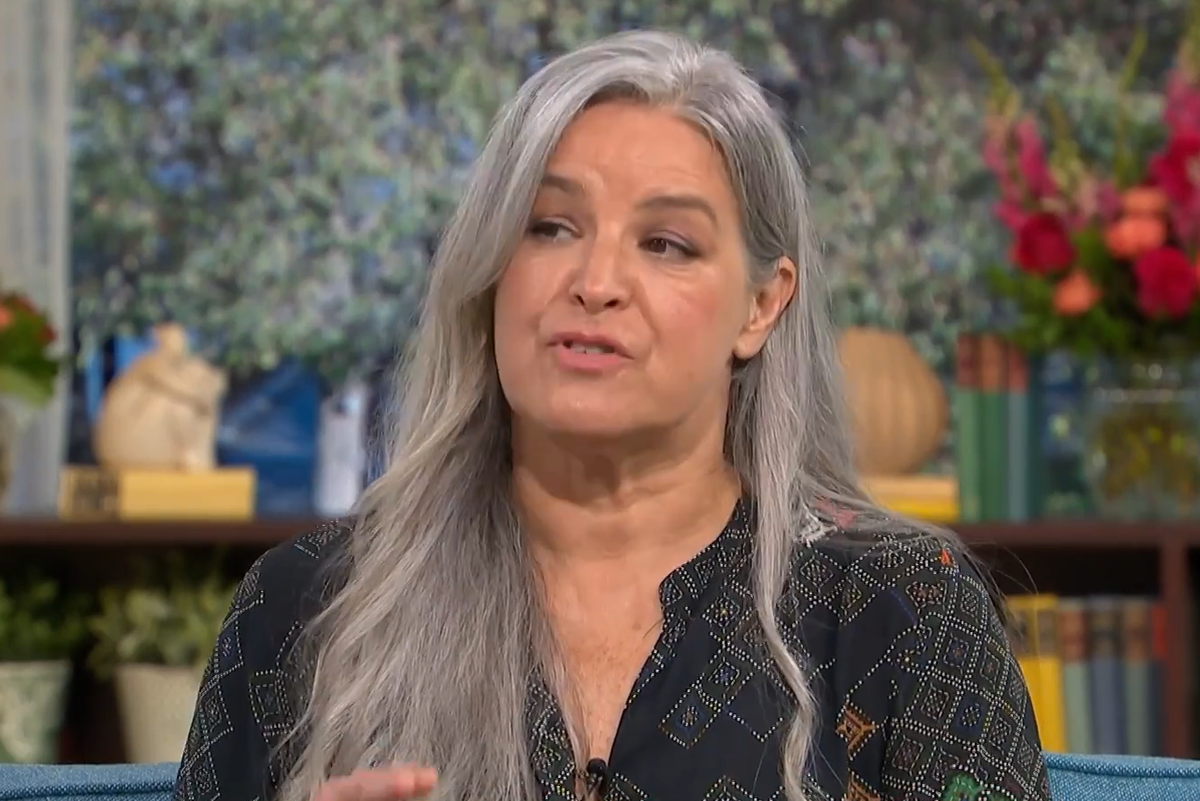
A prominent dementia expert has announced that nearly half of all dementia cases could be prevented through simple lifestyle changes. Speaking on ITV’s This Morning, Professor Catherine Mummery emphasized the importance of focusing on specific health factors to significantly reduce the risk of developing dementia. Projections indicate that by 2026, over 1.1 million people in the UK will be living with dementia, a figure that continues to rise due to the aging population.
Current data highlights that one in three individuals born in the UK today will eventually develop dementia. While the condition is often associated with older age, there are more than 70,000 people currently living with young-onset dementia, where symptoms appear before the age of 65. The NHS reports a “diagnosis gap,” as official figures suggest around 500,000–600,000 cases, leaving roughly one-third of those affected without a formal diagnosis.
Professor Mummery urged viewers to prioritize monitoring their blood pressure. She stated, “45% of dementia is preventable if you modify your risk factors. What I mean by that is especially when you’re talking about vascular dementia, a lot of the problems that lead to that are related to problems with your blood vessels. What’s good for your heart is good for your brain.”
The expert identified three crucial lifestyle factors that can significantly mitigate dementia risk. Regular physical exercise is essential, with a recommendation to engage in activities that elevate heart rate at least three times a week. Mental stimulation also proves vital; this doesn’t necessarily mean traditional brain games but can include any enjoyable activity that challenges the mind. Finally, a balanced diet rich in vegetables and fresh foods, while minimizing processed foods and sugar, is critical for maintaining brain health.
Dementia has become the leading cause of death in the UK, responsible for over one in ten fatalities each year. The economic burden of the condition is estimated to be between £42–£45 billion annually, encompassing healthcare costs, social care expenses, and the efforts of more than one million unpaid family caregivers.
According to NHS and health organizations, addressing specific risk factors may prevent or postpone approximately 40% of dementia cases. Essential recommendations to safeguard brain health include:
– **Blood Pressure and Cholesterol Management**: High levels can damage brain blood vessels and increase the risk of vascular dementia.
– **Diabetes Control**: Type 2 diabetes is a recognized risk factor; dietary changes and proper medication are crucial for management.
– **Smoking Cessation**: Smoking constricts arteries, raising the risk of cardiovascular diseases and strokes, both associated with dementia.
– **Balanced Nutrition**: Following guidelines like the Eatwell Guide or Mediterranean diet supports brain health by emphasizing fruits, vegetables, and fiber while minimizing saturated fat, salt, and sugar intake.
– **Maintaining a Healthy Weight**: Excess weight during middle age correlates with an increased risk of dementia in later life.
– **Physical Activity**: Aim for a minimum of 150 minutes of moderate exercise each week, alongside muscle-strengthening activities twice weekly.
– **Mental Engagement**: Activities that challenge the brain—such as reading, learning new languages, or solving puzzles—can enhance cognitive resilience.
– **Alcohol Consumption**: Limiting intake to the advised 14 units per week can protect brain function.
– **Social Connectivity**: Loneliness and social isolation have been linked to a higher dementia risk; engaging in social activities or volunteering can help maintain brain health.
– **Addressing Hearing Loss**: Untreated hearing loss is significantly associated with dementia; using hearing aids can mitigate this risk.
– **Mental Wellbeing**: Managing stress and seeking treatment for depression are vital for cognitive health.
– **Head Injury Prevention**: Taking preventive measures during sports or high-risk activities can reduce the likelihood of head injuries.
The NHS recommends that individuals aged 40–74 undergo an NHS Health Check, which can help detect early signs of high blood pressure or other conditions that may lead to dementia. As dementia continues to pose a growing challenge, awareness and proactive health measures can play a critical role in reducing its impact on individuals and society.

Niksic Celebrates Cultural Legacy with Folklore Milestone

NLC Demands Urgent Wage Adjustments Amid Rising Living Costs

‘One Battle After Another’ Triumphs with Six Oscars at 98th Academy Awards

Rainy Monday in Alton Clears for Sunshine by Midweek

Residents Push for New Supermarket in Overcrowded Town

Jimmy Kimmel Critiques Trump at 98th Academy Awards Ceremony

Young People Face Job Market Challenges Due to Health Issues

Stars Shine at the 2026 Oscars: Adorable Couples Take Center Stage

Brooklyn Beckham Faces Backlash for Mother’s Day Message Snub

Andrew Pierce Confirms Departure from ITV’s Good Morning Britain

Coronation Street Reveals Audrey Roberts’ Absence Explained

Fiona Phillips’ Husband Shares Heartfelt Update on Her Alzheimer’s Journey

Gogglebox Star Helena Worthington Announces Break After Loss

Neurologist Warns Excessive Use of Supplements Can Harm Brain

Brian Cox Addresses Claims of Alien Probe in 3I/ATLAS Discovery

NASA Investigates Unusual Comet 3I/ATLAS; New Findings Emerge

EastEnders Welcomes Back Mark Fowler Jr. with New Actor

Tess Daly Honoured with MBE, Announces Departure from Strictly
-
 Entertainment6 months ago
Andrew Pierce Confirms Departure from ITV’s Good Morning Britain
-
 Entertainment3 months ago
Coronation Street Reveals Audrey Roberts’ Absence Explained
-
 Health9 months ago
Fiona Phillips’ Husband Shares Heartfelt Update on Her Alzheimer’s Journey
-
 Entertainment5 months ago
Gogglebox Star Helena Worthington Announces Break After Loss
-
 Health9 months ago
Neurologist Warns Excessive Use of Supplements Can Harm Brain
-
 Science7 months ago
Brian Cox Addresses Claims of Alien Probe in 3I/ATLAS Discovery
-
 Science7 months ago
NASA Investigates Unusual Comet 3I/ATLAS; New Findings Emerge
-
 World4 months ago
EastEnders Welcomes Back Mark Fowler Jr. with New Actor
-
 Entertainment7 months ago
Tess Daly Honoured with MBE, Announces Departure from Strictly
-

 Health4 months ago
Gyles Brandreth Shares Heartfelt Journey Following Grandson’s Cancer Diagnosis
-

 Entertainment9 months ago
Major Cast Changes at Coronation Street: Exits and Returns in 2025
-

 World7 months ago
EastEnders’ Nicola Mitchell Faces Life-Changing Pregnancy Twist