
Health
New Junk Food Advertising Ban Targets Childhood Obesity

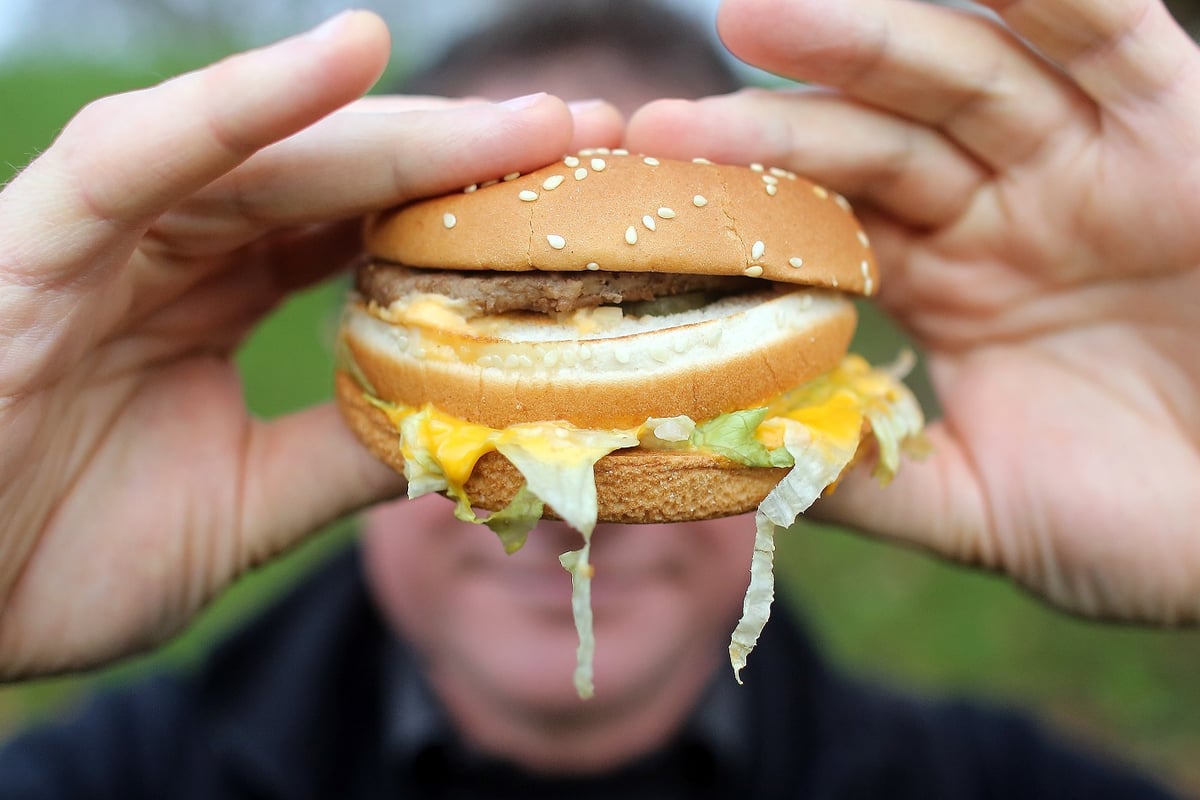
The Government of the United Kingdom has implemented a ban on junk food advertising during children’s television programming, effective from July 1, 2023. This significant policy change aims to tackle the rising rates of childhood obesity across the nation by reducing children’s exposure to unhealthy food advertisements before 21:00.
The new regulations, established by the Advertising Standards Authority and enforced by Ofcom, prohibit the advertising of high-fat, sugar, and salt (HFSS) products during peak viewing times for children. Advertisements for items such as sugary cereals, fast food, and sweets will no longer appear on screens during these hours.
This initiative is part of a broader strategy to promote healthier eating habits among the youth and to combat the alarming statistics that reveal that nearly one in three children in the UK is overweight or obese by the time they leave primary school. The government hopes that by limiting exposure to unhealthy food marketing, children will make better dietary choices.
The ban has received considerable support from health advocates and child welfare organizations. They argue that reducing junk food advertisements can lead to significant improvements in children’s health outcomes. According to a report by the National Health Service (NHS), a decrease in childhood obesity rates could result in long-term benefits, including lower risks of diabetes and heart disease later in life.
While the advertising ban has been welcomed by many, some industry representatives express concerns regarding its potential impact on businesses. Critics argue that this measure could adversely affect advertising revenue for broadcasters and limit promotional opportunities for brands that produce healthier options.
In response, the government has assured stakeholders that it will closely monitor the effects of the ban. They have committed to reviewing its impact within the next 12 months, with the intention of making adjustments as necessary to balance public health goals with economic considerations.
The ban’s implementation marks a significant shift in how the UK approaches food advertising aimed at children. It aligns with similar initiatives in other countries, such as the European Union and Canada, where restrictions on junk food marketing to children have been enacted to encourage healthier lifestyles.
Overall, the new advertising regulations reflect a growing recognition of the need to protect children from unhealthy food marketing and promote better health outcomes. As the effects of the ban unfold, it may serve as a model for other nations seeking to address the challenges of childhood obesity.

Discover Tonight’s Waning Gibbous Moon on March 7

George Russell Claims Pole Position as Mercedes Sweeps Australian GP Qualifying

Andrew Mountbatten-Windsor Detained Amid Plans to Leave UK

Alton Weather Update: Overcast Today, Partly Cloudy Tomorrow

From Chocolates to Cannabis: A Historic Transformation in Great Barrington

Emotional Turmoil Unfolds in Emmerdale: Cain’s Cancer Revelation

Gatorade Launches Lower Sugar Line, Eliminates Artificial Colors

Peterborough Charity Trains Over 100 in Life-Saving Pediatric CPR

UK Sends More Military Support to Saudi Arabia Amid Regional Tensions

Andrew Pierce Confirms Departure from ITV’s Good Morning Britain

Fiona Phillips’ Husband Shares Heartfelt Update on Her Alzheimer’s Journey

Neurologist Warns Excessive Use of Supplements Can Harm Brain

Gogglebox Star Helena Worthington Announces Break After Loss

Brian Cox Addresses Claims of Alien Probe in 3I/ATLAS Discovery

NASA Investigates Unusual Comet 3I/ATLAS; New Findings Emerge

Tess Daly Honoured with MBE, Announces Departure from Strictly

EastEnders Welcomes Back Mark Fowler Jr. with New Actor

Bailey and Rebecca Announce Heartbreaking Split After MAFS Reunion
-
 Entertainment3 months ago
Andrew Pierce Confirms Departure from ITV’s Good Morning Britain
-
 Health6 months ago
Fiona Phillips’ Husband Shares Heartfelt Update on Her Alzheimer’s Journey
-
 Health6 months ago
Neurologist Warns Excessive Use of Supplements Can Harm Brain
-
 Entertainment3 months ago
Gogglebox Star Helena Worthington Announces Break After Loss
-
 Science5 months ago
Brian Cox Addresses Claims of Alien Probe in 3I/ATLAS Discovery
-
 Science5 months ago
NASA Investigates Unusual Comet 3I/ATLAS; New Findings Emerge
-
 Entertainment4 months ago
Tess Daly Honoured with MBE, Announces Departure from Strictly
-
 World2 months ago
EastEnders Welcomes Back Mark Fowler Jr. with New Actor
-
 World4 months ago
Bailey and Rebecca Announce Heartbreaking Split After MAFS Reunion
-

 Entertainment8 months ago
Kerry Katona Discusses Future Baby Plans and Brian McFadden’s Wedding
-

 Health1 month ago
Sue Radford Reveals Weight Loss Journey, Losing Two Stone
-

 Science4 months ago
Scientists Examine 3I/ATLAS: Alien Artifact or Cosmic Oddity?