
Health
New Study Links Prenatal Air Pollution to Autism Risk

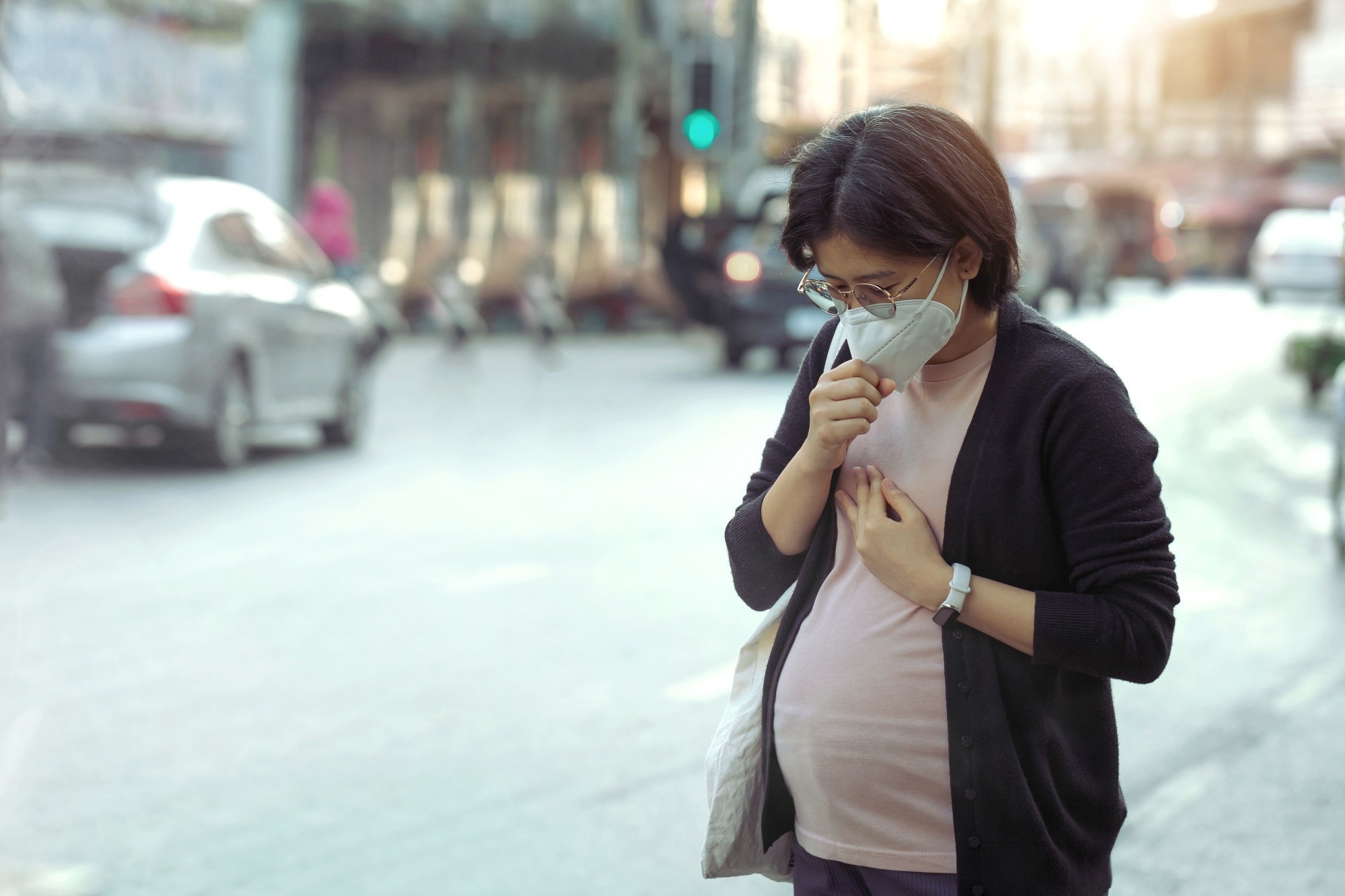
A recent study from Ontario, Canada, has revealed a concerning link between prenatal exposure to specific air pollutants and an increased risk of Autism Spectrum Disorder (ASD) in children. The research, published in JAMA Network Open, highlights the potential dangers posed by sulfate and ammonium components found in fine particulate matter (PM).
Fine particulate matter, or PM2.5, consists of microscopic particles measuring 2.5 micrometers or less. These pollutants primarily originate from sources such as power plants, vehicles, industrial emissions, and fuel combustion. Due to their small size, they can easily infiltrate the body through the lungs and bloodstream, leading to various health issues, including respiratory and cardiovascular diseases. Previous research has established a connection between prenatal or early-life exposure to fine PM and neurodevelopmental complications, including ASD.
Study Design and Findings
The study analyzed comprehensive health data covering approximately 98% of births in Ontario. A total of 2,183,324 births with gestational ages ranging from 36 to 42 weeks were included. Researchers estimated biweekly concentrations of fine PM components, such as black carbon, dust, ammonium, nitrate, organic matter, sulfate, and sea salt, along with other air pollutants like nitrogen dioxide (NO2) and ozone from conception to 36 weeks of age.
Statistical analyses were conducted to assess the impact of these pollutants on the risk of developing ASD by age five. The findings indicated that prenatal exposure to sulfate and ammonium significantly increased the likelihood of developing ASD, with risks rising by 15% and 12% per interquartile range increase, respectively. Notably, the overall PM2.5 mass did not show a significant association with ASD risk once sulfate and ammonium were taken into account.
The second and third trimesters of pregnancy were identified as particularly critical periods for exposure, with the highest risks occurring during these times. Interestingly, the associations were stronger in male infants, although sulfate exposure remained significant for females as well.
Implications and Societal Impact
The findings underscore the need for improved air quality in urban areas and disadvantaged communities where pollution levels are typically higher. The major pathways contributing to the observed associations are believed to include oxidative stress and neuroinflammation, which are known to affect neurological development.
Sulfate is primarily emitted from combustion sources using high-sulfur fuels, while ammonium typically arises from agricultural activities and vehicular emissions. Laboratory studies suggest that ammonium can disrupt neurodevelopment by affecting astrocytes and neurotransmission, which play critical roles in brain function.
Additionally, exposure to ozone during the first year of life was associated with a 9% increased risk of ASD, although this association diminished when adjusted for prenatal ozone exposure. The study revealed that urban populations, particularly those in low-income neighborhoods, face a disproportionately higher risk due to their proximity to high-emission facilities and major highways.
The authors acknowledge limitations in the study, including the estimation of exposure at the neighborhood level rather than through personal monitoring. They also noted that autism diagnosis methods used may have led to missed cases.
Overall, this research highlights the urgent need for public health strategies aimed at reducing air pollution, particularly in urban and socioeconomically disadvantaged areas. As the study’s lead author, Cloutier M., points out, protecting vulnerable populations from air pollution is essential for safeguarding the health and development of future generations.

Niksic Celebrates Cultural Legacy with Folklore Milestone

NLC Demands Urgent Wage Adjustments Amid Rising Living Costs

‘One Battle After Another’ Triumphs with Six Oscars at 98th Academy Awards

Rainy Monday in Alton Clears for Sunshine by Midweek

Residents Push for New Supermarket in Overcrowded Town

Jimmy Kimmel Critiques Trump at 98th Academy Awards Ceremony

Young People Face Job Market Challenges Due to Health Issues

Stars Shine at the 2026 Oscars: Adorable Couples Take Center Stage

Brooklyn Beckham Faces Backlash for Mother’s Day Message Snub

Andrew Pierce Confirms Departure from ITV’s Good Morning Britain

Coronation Street Reveals Audrey Roberts’ Absence Explained

Fiona Phillips’ Husband Shares Heartfelt Update on Her Alzheimer’s Journey

Neurologist Warns Excessive Use of Supplements Can Harm Brain

Gogglebox Star Helena Worthington Announces Break After Loss

Brian Cox Addresses Claims of Alien Probe in 3I/ATLAS Discovery

NASA Investigates Unusual Comet 3I/ATLAS; New Findings Emerge

EastEnders Welcomes Back Mark Fowler Jr. with New Actor

Tess Daly Honoured with MBE, Announces Departure from Strictly
-
 Entertainment5 months ago
Andrew Pierce Confirms Departure from ITV’s Good Morning Britain
-
 Entertainment2 months ago
Coronation Street Reveals Audrey Roberts’ Absence Explained
-
 Health8 months ago
Fiona Phillips’ Husband Shares Heartfelt Update on Her Alzheimer’s Journey
-
 Health8 months ago
Neurologist Warns Excessive Use of Supplements Can Harm Brain
-
 Entertainment5 months ago
Gogglebox Star Helena Worthington Announces Break After Loss
-
 Science7 months ago
Brian Cox Addresses Claims of Alien Probe in 3I/ATLAS Discovery
-
 Science7 months ago
NASA Investigates Unusual Comet 3I/ATLAS; New Findings Emerge
-
 World4 months ago
EastEnders Welcomes Back Mark Fowler Jr. with New Actor
-
 Entertainment6 months ago
Tess Daly Honoured with MBE, Announces Departure from Strictly
-

 Health3 months ago
Gyles Brandreth Shares Heartfelt Journey Following Grandson’s Cancer Diagnosis
-

 World6 months ago
EastEnders’ Nicola Mitchell Faces Life-Changing Pregnancy Twist
-

 Health8 months ago
TOWIE Couple Sophie Kasaei and Jordan Brook Pursue Fertility Treatment Abroad