
Health
Nutritionists Challenge Myths Around ‘Unhealthy’ Foods

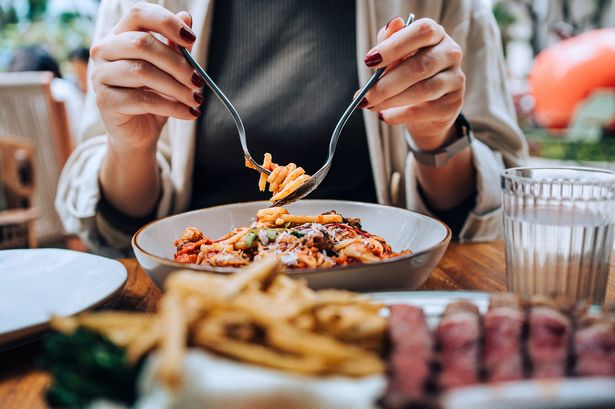
Many foods long viewed as harmful are receiving a fresh perspective from nutritionists, who argue that no single food is inherently “bad.” This re-evaluation comes amid a growing awareness that indulgence, when balanced with moderation, can fit into a healthy diet. Nutritionists have identified several foods that have been unfairly demonised, encouraging a shift in public perception.
Understanding Carbohydrates
Carbohydrates have been vilified in recent years, often blamed for weight gain and health issues. However, according to Nichola Ludlam-Raine, a Specialist Registered Dietitian from the UK, many individuals are “unfairly scared of carbohydrates—especially things like bread, pasta, and potatoes.” She emphasises that carbohydrates are the body’s primary source of energy and can be part of a balanced diet. Instead of eliminating them, she advises focusing on portion size and quality, preferring wholegrain options paired with lean protein and fibre for sustained energy.
Nutritionist Lily Soutter supports this view, highlighting the benefits of wholegrains. She notes that regularly consuming wholegrains may decrease the risk of heart disease and stroke by up to 30 per cent. Despite this, only four per cent of adults in the UK consume adequate fibre. Fellow nutritionist Aliya Porter suggests that fears about carbohydrates largely stem from misinformation, particularly concerning glucose spikes and weight gain.
Debunking Common Food Myths
Even fruits have fallen victim to dietary fads, particularly low-carb diets. Registered Dietitian Jo Travers explains that the rise of keto diets has led to unnecessary fears about fruit consumption. The sugar found in fruit is absorbed slowly and is accompanied by essential vitamins and minerals, making it beneficial for overall health.
Concerns over ultra-processed foods have also intensified, with even staples like baked beans and protein bars becoming targets of fear. Dr. Emma Derbyshire, a registered public health nutritionist, stresses that moderation is key. She argues that occasional consumption of processed foods is unlikely to have negative effects, especially when they are fortified with essential nutrients.
Nutrition experts warn against the growing hysteria surrounding ultra-processed foods. Professor Bernard Corfe from Newcastle University points out that much of the existing research on their health impacts lacks robustness. He recommends focusing on the levels of fat, salt, and sugar in foods rather than their processing methods.
The debate extends to cooking oils, particularly seed oils, which have been labelled as toxic on social media. Registered nutritionist Rhiannon Lambert disputes these claims, asserting that oils such as sunflower and rapeseed can be part of a healthy diet. She highlights their role in providing omega-6 fatty acids and supporting heart health when used in place of saturated fats.
Even traditional breakfast options like porridge have come under scrutiny. Lambert argues that oats, high in soluble fibre, are beneficial for cholesterol and blood-sugar control. Changes in blood sugar levels are normal and should not incite fear, she adds. Pairing oats with nut butter or yogurt can help manage energy release throughout the day.
Concerns about soya products are also prevalent, with some fearing their impact on hormonal health. Laura Wyness, a Registered Nutritionist, reassures consumers that leading global cancer organisations deem soya safe for women regarding breast cancer. Some studies even suggest potential protective effects against the disease.
The avoidance of dairy products is increasing, often driven by the popularity of plant-based alternatives. Dr. Sarah Schenker, a Registered Dietitian, emphasises that dairy can be an important part of a healthy diet, providing essential nutrients like protein, calcium, and vitamin B12. She dismisses claims linking dairy to acne and mucus production as lacking credible scientific backing.
As nutritionists continue to challenge the prevailing myths surrounding certain foods, individuals are encouraged to embrace a more balanced approach to eating. The emphasis on moderation and understanding the nutritional value of various foods can help alleviate unnecessary fears and promote a healthier relationship with food.

Niksic Celebrates Cultural Legacy with Folklore Milestone

NLC Demands Urgent Wage Adjustments Amid Rising Living Costs

‘One Battle After Another’ Triumphs with Six Oscars at 98th Academy Awards

Rainy Monday in Alton Clears for Sunshine by Midweek

Residents Push for New Supermarket in Overcrowded Town

Jimmy Kimmel Critiques Trump at 98th Academy Awards Ceremony

Young People Face Job Market Challenges Due to Health Issues

Stars Shine at the 2026 Oscars: Adorable Couples Take Center Stage

Brooklyn Beckham Faces Backlash for Mother’s Day Message Snub

Andrew Pierce Confirms Departure from ITV’s Good Morning Britain

Coronation Street Reveals Audrey Roberts’ Absence Explained

Fiona Phillips’ Husband Shares Heartfelt Update on Her Alzheimer’s Journey

Gogglebox Star Helena Worthington Announces Break After Loss

Neurologist Warns Excessive Use of Supplements Can Harm Brain

Brian Cox Addresses Claims of Alien Probe in 3I/ATLAS Discovery

NASA Investigates Unusual Comet 3I/ATLAS; New Findings Emerge

EastEnders Welcomes Back Mark Fowler Jr. with New Actor

Tess Daly Honoured with MBE, Announces Departure from Strictly
-
 Entertainment6 months ago
Andrew Pierce Confirms Departure from ITV’s Good Morning Britain
-
 Entertainment3 months ago
Coronation Street Reveals Audrey Roberts’ Absence Explained
-
 Health9 months ago
Fiona Phillips’ Husband Shares Heartfelt Update on Her Alzheimer’s Journey
-
 Entertainment5 months ago
Gogglebox Star Helena Worthington Announces Break After Loss
-
 Health9 months ago
Neurologist Warns Excessive Use of Supplements Can Harm Brain
-
 Science7 months ago
Brian Cox Addresses Claims of Alien Probe in 3I/ATLAS Discovery
-
 Science7 months ago
NASA Investigates Unusual Comet 3I/ATLAS; New Findings Emerge
-
 World4 months ago
EastEnders Welcomes Back Mark Fowler Jr. with New Actor
-
 Entertainment6 months ago
Tess Daly Honoured with MBE, Announces Departure from Strictly
-

 Health4 months ago
Gyles Brandreth Shares Heartfelt Journey Following Grandson’s Cancer Diagnosis
-

 Entertainment9 months ago
Major Cast Changes at Coronation Street: Exits and Returns in 2025
-

 World7 months ago
EastEnders’ Nicola Mitchell Faces Life-Changing Pregnancy Twist