
Health
Research Shows Pandemic May Have Accelerated Brain Aging

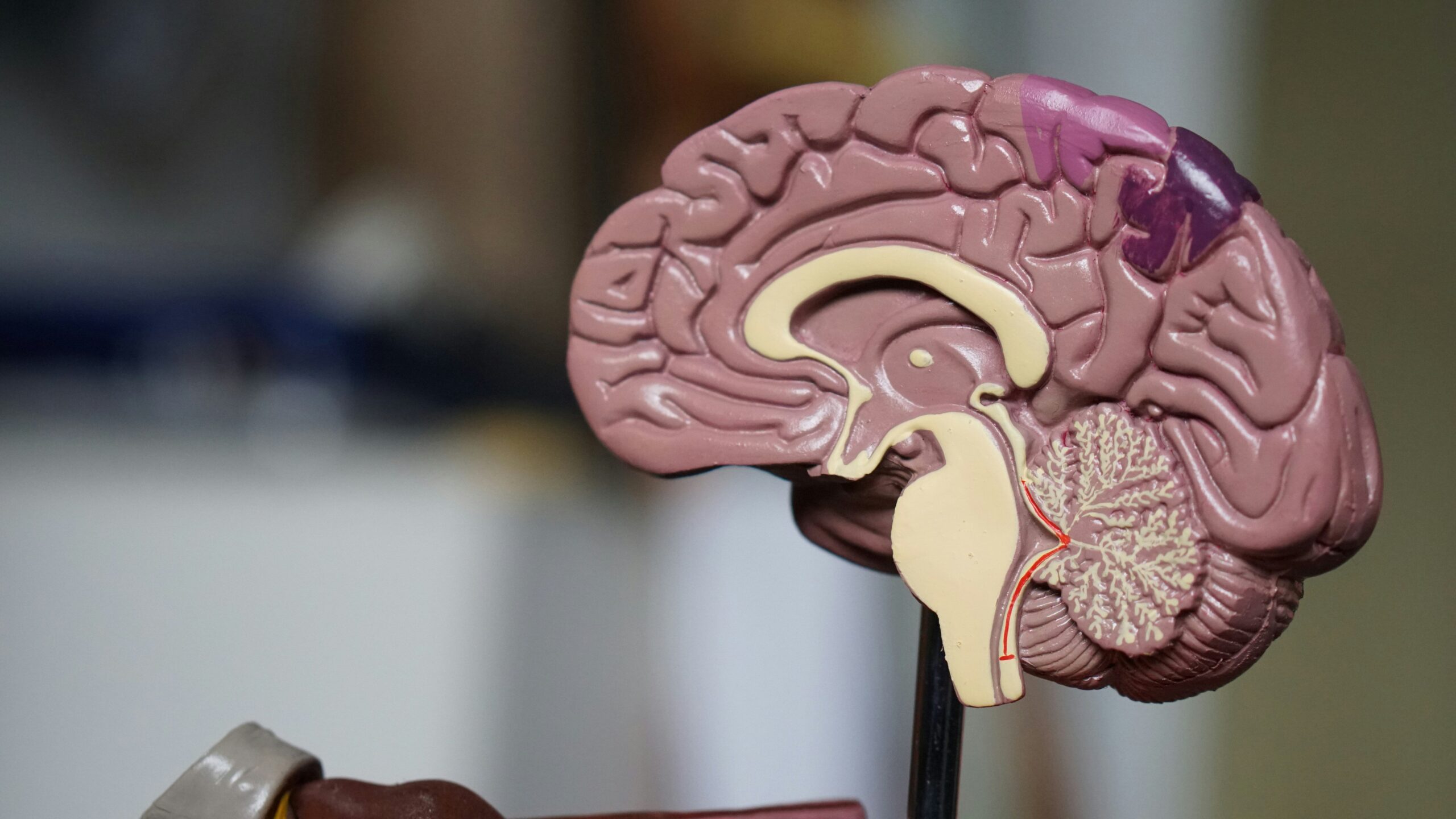
Recent research published in Nature Communications indicates that the COVID-19 pandemic may have accelerated brain aging in the general population, regardless of whether individuals contracted the virus. The study, which analyzed brain scans from nearly 1,000 healthy participants involved in the UK Biobank, found that the pandemic’s impact appeared to age brains by an average of 5.5 months.
The research team utilized data from over 15,000 brain scans and employed advanced machine learning techniques to predict the brain age of the study participants. By comparing pre-pandemic and post-pandemic scans while controlling for variables such as gender, age, and health status, they identified significant changes in brain aging rates.
Dr. Ali-Reza Mohammadi-Nejad, the study’s lead author, expressed surprise at the results, noting that even individuals who had not contracted COVID-19 exhibited marked increases in brain aging. “It really shows how much the experience of the pandemic itself, everything from isolation to uncertainty, may have affected our brain health,” he stated.
Implications of the Findings
Although the study did not explicitly determine the reasons behind the accelerated brain aging, the researchers suggested that factors such as reduced social interactions and physical activity during lockdowns could be contributing elements. Additionally, increased alcohol consumption may have played a role, particularly among those already facing socioeconomic disadvantages.
Dr. Dorothee Auer, a Professor of Neuroimaging and senior author of the study, emphasized the broader implications of these findings, stating, “This study reminds us that brain health is shaped not only by illness, but by our everyday environment.” She further highlighted that the pandemic exerted significant strain on people’s lives, particularly for vulnerable populations.
The research raises questions about whether these changes in brain aging can be reversed over time. While the study did not offer conclusive answers, Dr. Auer noted the possibility of recovery, which presents an encouraging thought for many.
As the global community continues to navigate the aftermath of the pandemic, understanding its effects on mental and cognitive health remains crucial. This research serves as a reminder of the pandemic’s pervasive impact, influencing not just physical health but also cognitive well-being for individuals worldwide.

Niksic Celebrates Cultural Legacy with Folklore Milestone

NLC Demands Urgent Wage Adjustments Amid Rising Living Costs

‘One Battle After Another’ Triumphs with Six Oscars at 98th Academy Awards

Rainy Monday in Alton Clears for Sunshine by Midweek

Residents Push for New Supermarket in Overcrowded Town

Jimmy Kimmel Critiques Trump at 98th Academy Awards Ceremony

Young People Face Job Market Challenges Due to Health Issues

Stars Shine at the 2026 Oscars: Adorable Couples Take Center Stage

Brooklyn Beckham Faces Backlash for Mother’s Day Message Snub

Andrew Pierce Confirms Departure from ITV’s Good Morning Britain

Coronation Street Reveals Audrey Roberts’ Absence Explained

Fiona Phillips’ Husband Shares Heartfelt Update on Her Alzheimer’s Journey

Neurologist Warns Excessive Use of Supplements Can Harm Brain

Gogglebox Star Helena Worthington Announces Break After Loss

Brian Cox Addresses Claims of Alien Probe in 3I/ATLAS Discovery

NASA Investigates Unusual Comet 3I/ATLAS; New Findings Emerge

EastEnders Welcomes Back Mark Fowler Jr. with New Actor

Tess Daly Honoured with MBE, Announces Departure from Strictly
-
 Entertainment5 months ago
Andrew Pierce Confirms Departure from ITV’s Good Morning Britain
-
 Entertainment2 months ago
Coronation Street Reveals Audrey Roberts’ Absence Explained
-
 Health8 months ago
Fiona Phillips’ Husband Shares Heartfelt Update on Her Alzheimer’s Journey
-
 Health8 months ago
Neurologist Warns Excessive Use of Supplements Can Harm Brain
-
 Entertainment4 months ago
Gogglebox Star Helena Worthington Announces Break After Loss
-
 Science6 months ago
Brian Cox Addresses Claims of Alien Probe in 3I/ATLAS Discovery
-
 Science6 months ago
NASA Investigates Unusual Comet 3I/ATLAS; New Findings Emerge
-
 World3 months ago
EastEnders Welcomes Back Mark Fowler Jr. with New Actor
-
 Entertainment6 months ago
Tess Daly Honoured with MBE, Announces Departure from Strictly
-

 World6 months ago
EastEnders’ Nicola Mitchell Faces Life-Changing Pregnancy Twist
-

 Health8 months ago
TOWIE Couple Sophie Kasaei and Jordan Brook Pursue Fertility Treatment Abroad
-

 Entertainment8 months ago
Major Cast Changes at Coronation Street: Exits and Returns in 2025