
Health
Scottish Professor and Wildlife Expert Dies in Namibia Plane Crash

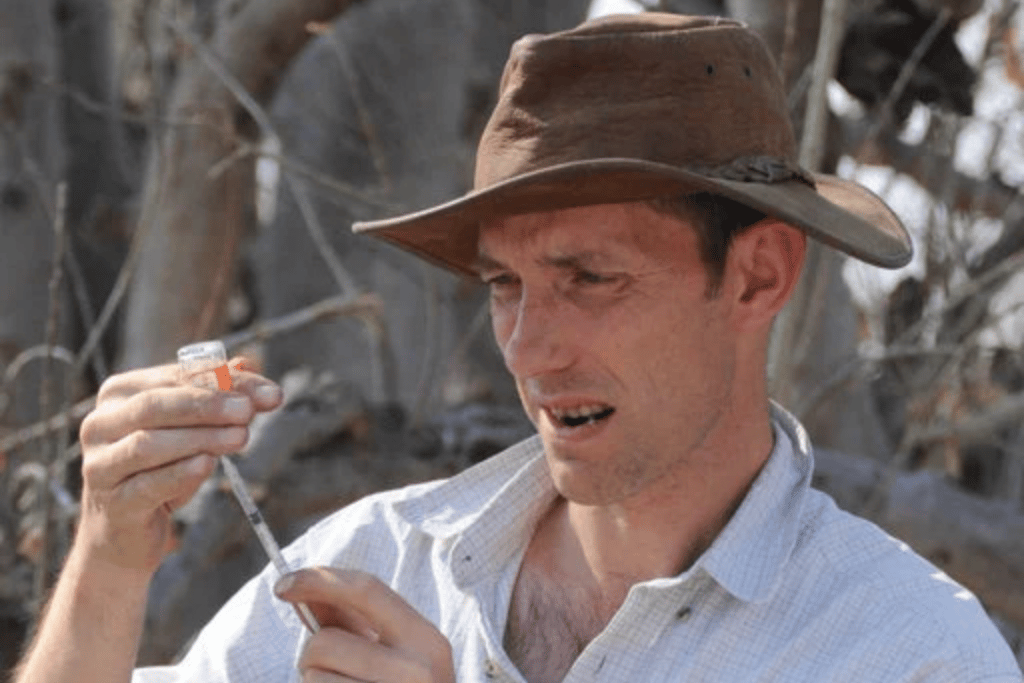
Tributes have poured in for Professor Alan Wilson, a distinguished Scottish professor and wildlife expert, who tragically died in a plane crash in Namibia on March 4, 2026. The incident occurred shortly after takeoff from the Gobabeb Research Station, where he had been conducting research on the Oryx antelope. The pilot, Neil Oakman, also lost his life in the crash.
The pair had been in Namibia for a week, collaborating on wildlife research in the expansive Namib Desert. Concern arose when fellow researcher John Lowe reported their absence, leading to a search operation. Tragically, the wreckage was later discovered near the Gobabeb airstrip.
Professor Wilson, aged 62, was a prominent figure in the field of veterinary science, known for his expertise in the musculoskeletal systems of athletic animals. He served as the head of the Structure and Motion Laboratory at the Royal Veterinary College (RVC) in London. His contributions to the field also extended to popular media, where he lent his expertise to various BBC documentaries, including Big Cats and The Secret Life of Cats.
In a heartfelt statement, Professor Stuart Reid CBE, President & Principal of the RVC, expressed profound sadness over the loss. He remarked, “Alan has been part of the RVC for 30 years and throughout this time has not only endeared himself to colleagues, students, and the wider research community, but has forged an impressive career that has shaped our understanding of biomechanics and high-performance locomotion in both animals and humans.”
The University of Glasgow’s School of Biodiversity, One Health & Veterinary Medicine also mourned the loss, stating, “It was with great sadness that we heard the news that Professor Alan Wilson died on Wednesday, March 4 in a light aircraft accident during a research flight in Namibia. Our thoughts are with Anna and the rest of Alan’s family, as well as his colleagues and friends.”
Professor Wilson was not only a respected academic but also an active member of the Glasgow University Hares & Hounds road and cross-country running club during his student days. In 2019, he returned to his alma mater to deliver the Weipers Lecture titled “From sprinting cheetah to walking wildebeest: studies of locomotion and physiology in Africa,” showcasing his passion and expertise in animal locomotion.
According to Senior Air Accident Investigator Judith Shomongula, the two men had arrived in Namibia on February 25, 2026 for their research project. They took off around 17:00 local time to search for collared antelope in the dunes when the accident occurred. By 19:00, concern for their safety prompted Lowe to initiate search efforts. The subsequent discovery of the crashed aircraft led to police involvement, with the bodies transported to the Walvis Bay police mortuary.
The aviation community and the academic world are left reeling from this devastating loss. Many have expressed their condolences, emphasizing the impact Professor Wilson had on wildlife research and the legacy he leaves behind. His contributions to understanding animal biomechanics and locomotion will continue to inspire future generations of researchers.

Niksic Celebrates Cultural Legacy with Folklore Milestone

NLC Demands Urgent Wage Adjustments Amid Rising Living Costs

‘One Battle After Another’ Triumphs with Six Oscars at 98th Academy Awards

Rainy Monday in Alton Clears for Sunshine by Midweek

Residents Push for New Supermarket in Overcrowded Town

Jimmy Kimmel Critiques Trump at 98th Academy Awards Ceremony

Young People Face Job Market Challenges Due to Health Issues

Stars Shine at the 2026 Oscars: Adorable Couples Take Center Stage

Brooklyn Beckham Faces Backlash for Mother’s Day Message Snub

Andrew Pierce Confirms Departure from ITV’s Good Morning Britain

Coronation Street Reveals Audrey Roberts’ Absence Explained

Gogglebox Star Helena Worthington Announces Break After Loss

Fiona Phillips’ Husband Shares Heartfelt Update on Her Alzheimer’s Journey

Neurologist Warns Excessive Use of Supplements Can Harm Brain

Brian Cox Addresses Claims of Alien Probe in 3I/ATLAS Discovery

NASA Investigates Unusual Comet 3I/ATLAS; New Findings Emerge

EastEnders Welcomes Back Mark Fowler Jr. with New Actor

Tess Daly Honoured with MBE, Announces Departure from Strictly
-
 Entertainment7 months ago
Andrew Pierce Confirms Departure from ITV’s Good Morning Britain
-
 Entertainment4 months ago
Coronation Street Reveals Audrey Roberts’ Absence Explained
-
 Entertainment7 months ago
Gogglebox Star Helena Worthington Announces Break After Loss
-
 Health10 months ago
Fiona Phillips’ Husband Shares Heartfelt Update on Her Alzheimer’s Journey
-
 Health10 months ago
Neurologist Warns Excessive Use of Supplements Can Harm Brain
-
 Science8 months ago
Brian Cox Addresses Claims of Alien Probe in 3I/ATLAS Discovery
-
 Science8 months ago
NASA Investigates Unusual Comet 3I/ATLAS; New Findings Emerge
-
 World5 months ago
EastEnders Welcomes Back Mark Fowler Jr. with New Actor
-
 Entertainment8 months ago
Tess Daly Honoured with MBE, Announces Departure from Strictly
-
 Health5 months ago
Gyles Brandreth Shares Heartfelt Journey Following Grandson’s Cancer Diagnosis
-

 Entertainment10 months ago
Major Cast Changes at Coronation Street: Exits and Returns in 2025
-

 World8 months ago
EastEnders’ Nicola Mitchell Faces Life-Changing Pregnancy Twist