
Health
Understanding Psychopathy: Insights from Dr. Leanne ten Brinke

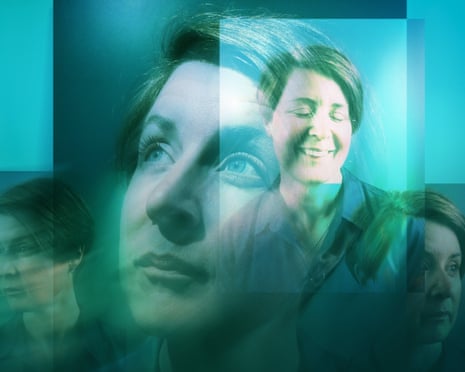
Dr. Leanne ten Brinke, an associate professor of psychology at the University of British Columbia, offers profound insights into the nature of psychopathy and its prevalence in society. Her journey began during her early 20s while studying forensic psychology in Halifax, Nova Scotia. Here, she volunteered at a parole office that facilitated weekly group meetings for released sex offenders.
During these sessions, Ten Brinke observed a stark contrast in the emotions displayed by the offenders. While most expressed remorse for their actions, one individual stood out. This man viewed the treatment program as a game and made unsettling comments about how his victim resembled Ten Brinke. “Clearly he was trying to scare me, and he did,” she recalls, a pivotal moment that shifted her career focus away from direct interaction with criminals. Instead, she became intrigued by the broader implications of psychopathy and related personality disorders, such as narcissism and sadism.
In her new book, Poisonous People: How to Resist Them and Improve Your Life, Ten Brinke explores how psychopathic traits manifest not only in criminal behaviour but also in various sectors of life, including politics, business, and social interactions. She notes that these traits are often hidden beneath a façade of charm and charisma, making them difficult to identify.
Prevalence and Impact of Psychopathic Traits
Research indicates that approximately 1% of the general population exhibits clinical levels of psychopathy, as assessed by the PCL-R, a widely used psychopathy checklist. Moreover, studies suggest that up to 18% of individuals may display elevated levels of psychopathic traits, which Ten Brinke refers to as “dark territory.” The incidence of clinical psychopathy rises significantly within prison populations, where it is estimated to be around 20%.
Ten Brinke emphasizes the ability of individuals with psychopathic traits to manipulate their surroundings, often persuading parole boards to grant them early release. This persuasive capability, combined with their lack of empathy, can lead to societal harm, both in criminal settings and in positions of power and influence.
“Nature and nurture both play a role in the development of these traits,” she explains. “This is promising because it suggests that changing the environment can positively influence individuals.” Early intervention is crucial, especially for children displaying “callous unemotional” traits, which can be identified as early as age two or three.
Recognizing and Managing Dark Personalities
In her consulting work, Ten Brinke has collaborated with financial firms to assess hedge fund managers, identifying potential signs of deceit and personality traits that could impact business decisions. At investor conferences, she has observed executives whose aggressive behaviour often overshadows their professional capabilities.
“Their behaviour seemed to validate perceptions of what kind of personality would succeed in this role,” she notes. Yet, research suggests that these traits may lead to decreased returns on investment, highlighting a disconnect between perceived confidence and actual competence.
Ten Brinke illustrates how societal trends contribute to the rise of dark personalities in leadership roles. During times of uncertainty, people often gravitate towards strong leaders, inadvertently fostering an environment where such individuals can thrive. “We can end up going round and round,” she warns, as these leaders may create chaos that further solidifies their power.
While she does not directly assess public figures, Ten Brinke acknowledges elevated traits in individuals such as former U.S. President Donald Trump, citing his impulsiveness and lack of empathy as examples. Conversely, her research on U.S. senators reveals that cooperation and humility are more effective for legislative success than dark personality traits.
Recognizing and managing relationships with dark personalities can significantly impact various life domains. Ten Brinke advises adopting a “detect and avoid” or “detect and manage” approach, depending on the context. For instance, job advertisements that prioritize “results-oriented” candidates often attract narcissistic applicants, while those emphasizing teamwork tend to draw more collaborative individuals.
Potential red flags include individuals who frequently interrupt conversations, display anger when interrupted, or routinely disregard boundaries. In romantic contexts, early signs of affection may be misleading. “Love bombing” can indicate manipulative tendencies, reinforcing the importance of taking time to understand a partner’s true character.
To navigate interactions with individuals exhibiting dark traits, Ten Brinke suggests establishing clear boundaries and documenting them. “Having rules makes it harder for the person to break or test them,” she notes. In professional settings, rewarding positive behaviour can be more effective than punishment, as individuals with psychopathic traits often respond better to incentives.
When it comes to communication, framing requests as questions rather than commands can mitigate aggressive responses. For example, asking, “What do you think about picking the kids up from school on Wednesday?” rather than stating, “You need to pick the kids up,” can foster cooperation.
As Ten Brinke emphasizes, it is unrealistic to completely avoid individuals with dark personality traits. Instead, she encourages a harm-reduction mindset, approaching interactions with a focus on managing the relationship effectively. While some traits may be challenging to change, individuals can work towards becoming more compassionate and less manipulative.
In conclusion, Ten Brinke’s insights offer a pathway to better understanding and managing the dark personalities that pervade various aspects of life. Recognizing these traits can empower individuals to make more informed choices, cultivate healthier relationships, and contribute to a more empathetic society.

Niksic Celebrates Cultural Legacy with Folklore Milestone

NLC Demands Urgent Wage Adjustments Amid Rising Living Costs

‘One Battle After Another’ Triumphs with Six Oscars at 98th Academy Awards

Rainy Monday in Alton Clears for Sunshine by Midweek

Residents Push for New Supermarket in Overcrowded Town

Jimmy Kimmel Critiques Trump at 98th Academy Awards Ceremony

Young People Face Job Market Challenges Due to Health Issues

Stars Shine at the 2026 Oscars: Adorable Couples Take Center Stage

Brooklyn Beckham Faces Backlash for Mother’s Day Message Snub

Andrew Pierce Confirms Departure from ITV’s Good Morning Britain

Fiona Phillips’ Husband Shares Heartfelt Update on Her Alzheimer’s Journey

Neurologist Warns Excessive Use of Supplements Can Harm Brain

Gogglebox Star Helena Worthington Announces Break After Loss

Brian Cox Addresses Claims of Alien Probe in 3I/ATLAS Discovery

NASA Investigates Unusual Comet 3I/ATLAS; New Findings Emerge

EastEnders Welcomes Back Mark Fowler Jr. with New Actor

Coronation Street Reveals Audrey Roberts’ Absence Explained

Tess Daly Honoured with MBE, Announces Departure from Strictly
-
 Entertainment4 months ago
Andrew Pierce Confirms Departure from ITV’s Good Morning Britain
-
 Health7 months ago
Fiona Phillips’ Husband Shares Heartfelt Update on Her Alzheimer’s Journey
-
 Health7 months ago
Neurologist Warns Excessive Use of Supplements Can Harm Brain
-
 Entertainment4 months ago
Gogglebox Star Helena Worthington Announces Break After Loss
-
 Science6 months ago
Brian Cox Addresses Claims of Alien Probe in 3I/ATLAS Discovery
-
 Science6 months ago
NASA Investigates Unusual Comet 3I/ATLAS; New Findings Emerge
-
 World3 months ago
EastEnders Welcomes Back Mark Fowler Jr. with New Actor
-
 Entertainment1 month ago
Coronation Street Reveals Audrey Roberts’ Absence Explained
-
 Entertainment5 months ago
Tess Daly Honoured with MBE, Announces Departure from Strictly
-

 Health7 months ago
TOWIE Couple Sophie Kasaei and Jordan Brook Pursue Fertility Treatment Abroad
-

 World5 months ago
Bailey and Rebecca Announce Heartbreaking Split After MAFS Reunion
-

 Entertainment9 months ago
Coleen Nolan Reflects on Family Tragedy and Reconciliation